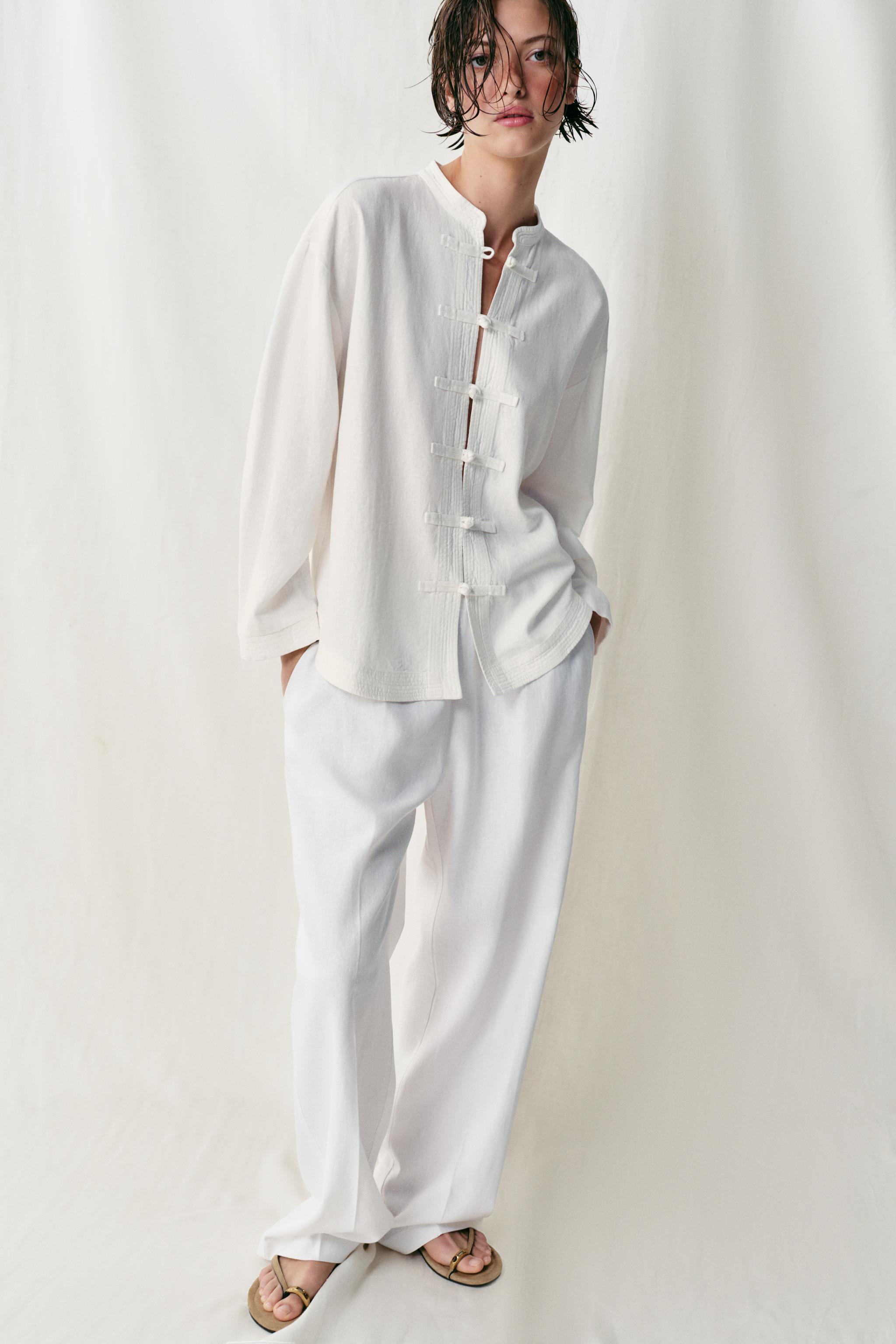
It's a truth universally acknowledged that Zara's best pieces rarely stay in stock for long. Every season, one or two styles emerge from the new-in section, quickly becoming the items fashion people can't stop talking about before disappearing almost as quickly as they arrived. This summer, that honour belongs to the Linen-Blend Frog-Fastening Shirt (£30).
It's easy to see why. Tapping into the growing appetite for elevated basics, the blouse feels distinctly more premium than its high-street price tag suggests. The delicate frog fastenings instantly set it apart from every other linen shirt on the high street, lending it a refined, designer-inspired feel, whilst the breathable linen blend and softly relaxed silhouette make it the kind of staple you'll reach for on repeat throughout the season.
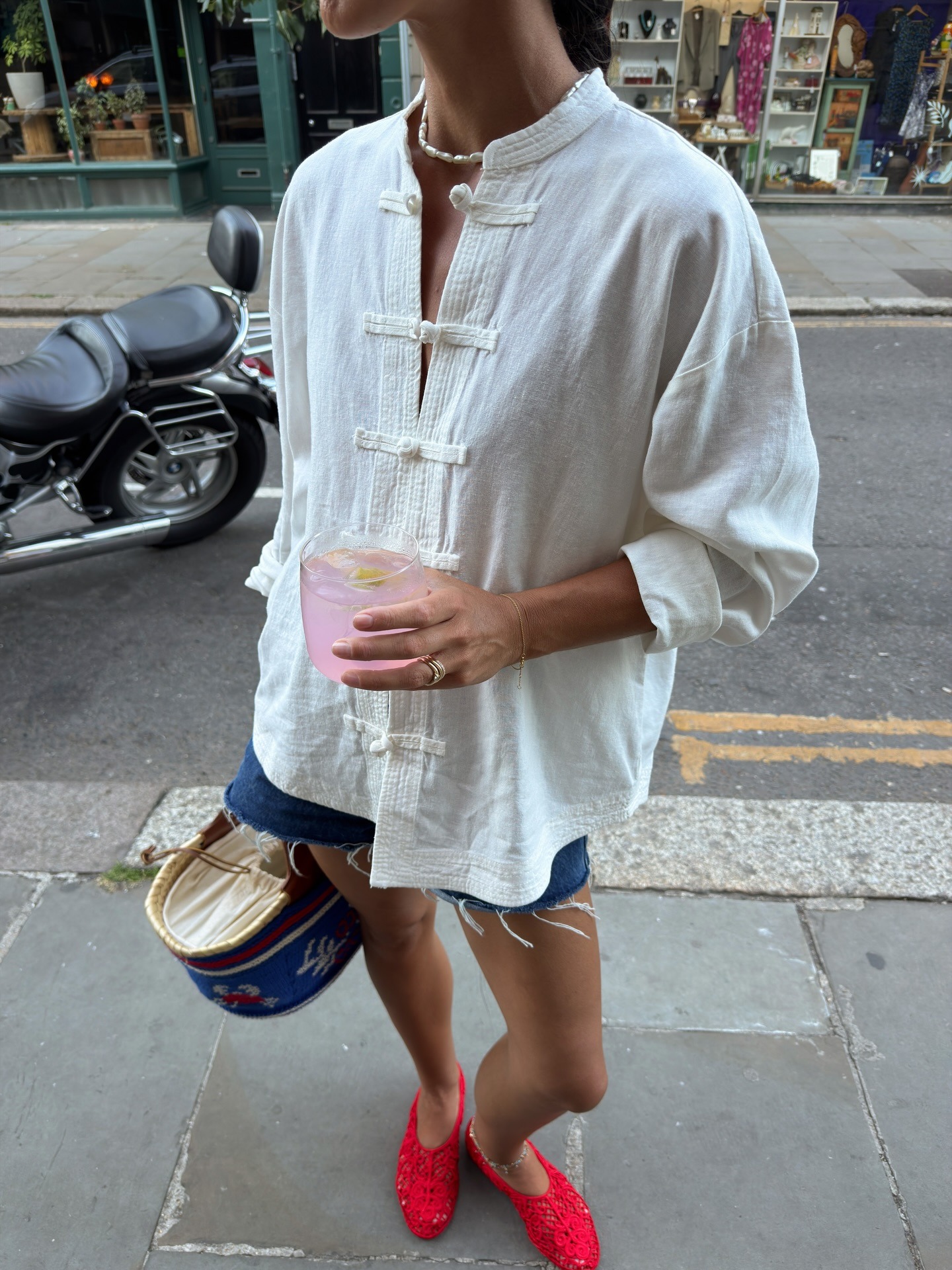
I've already spotted it styled with everything from denim shorts and tailored Bermuda shorts to flowing linen trousers and silky slip skirts. Still, I'd argue its biggest strength is its versatility. It has that rare ability to make even the simplest outfit feel considered; a quality that Zara's cult pieces almost always share.
Keep scrolling to shop the viral Zara shirt before it's inevitably gone again.
Shop Zara Viral Linen Blouse:
The blouse that's quietly taking over Instagram.
Shop More Zara Linen Buys:
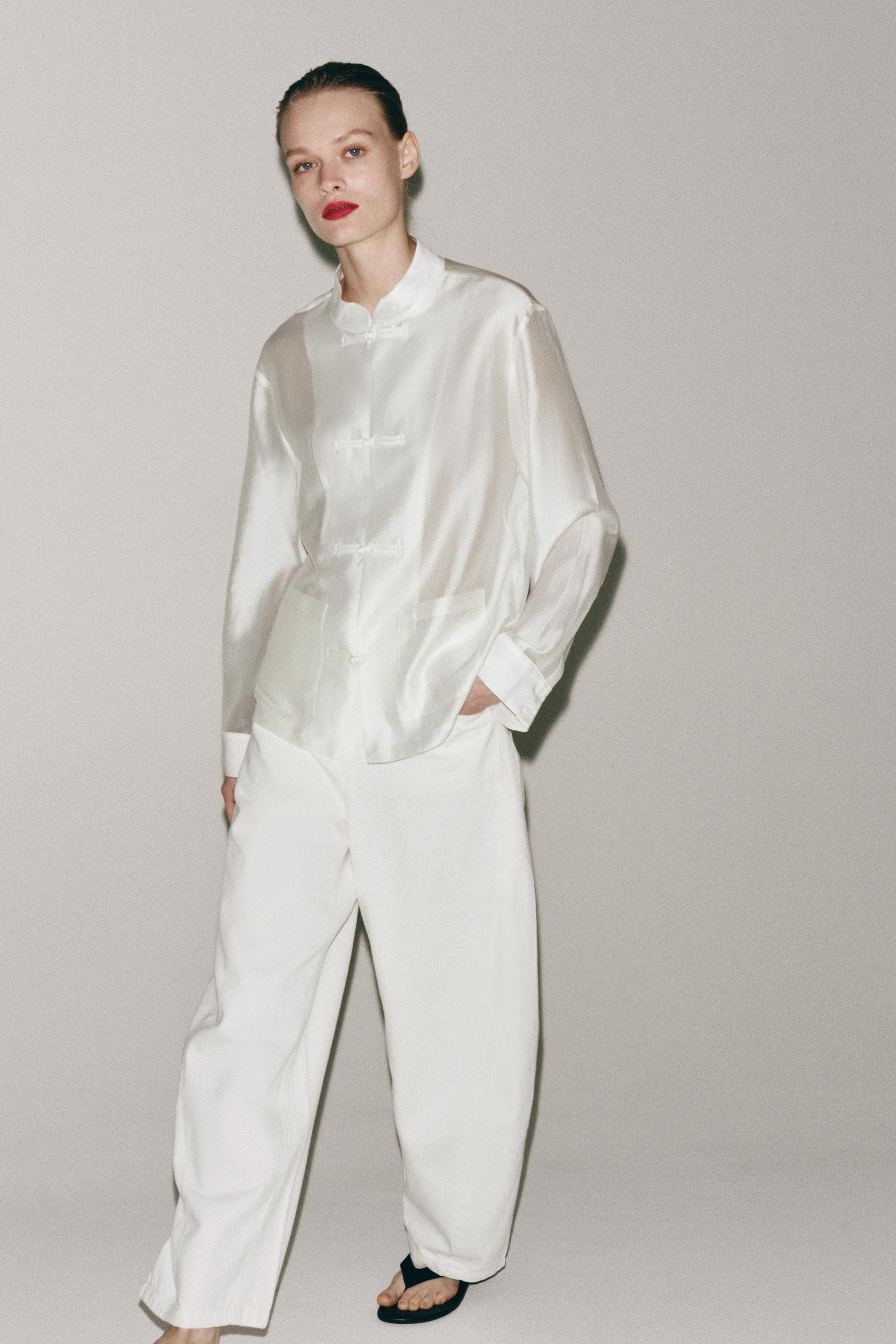
The satin version feels so The Row-coded. It's also available in soft pink and sleek navy.
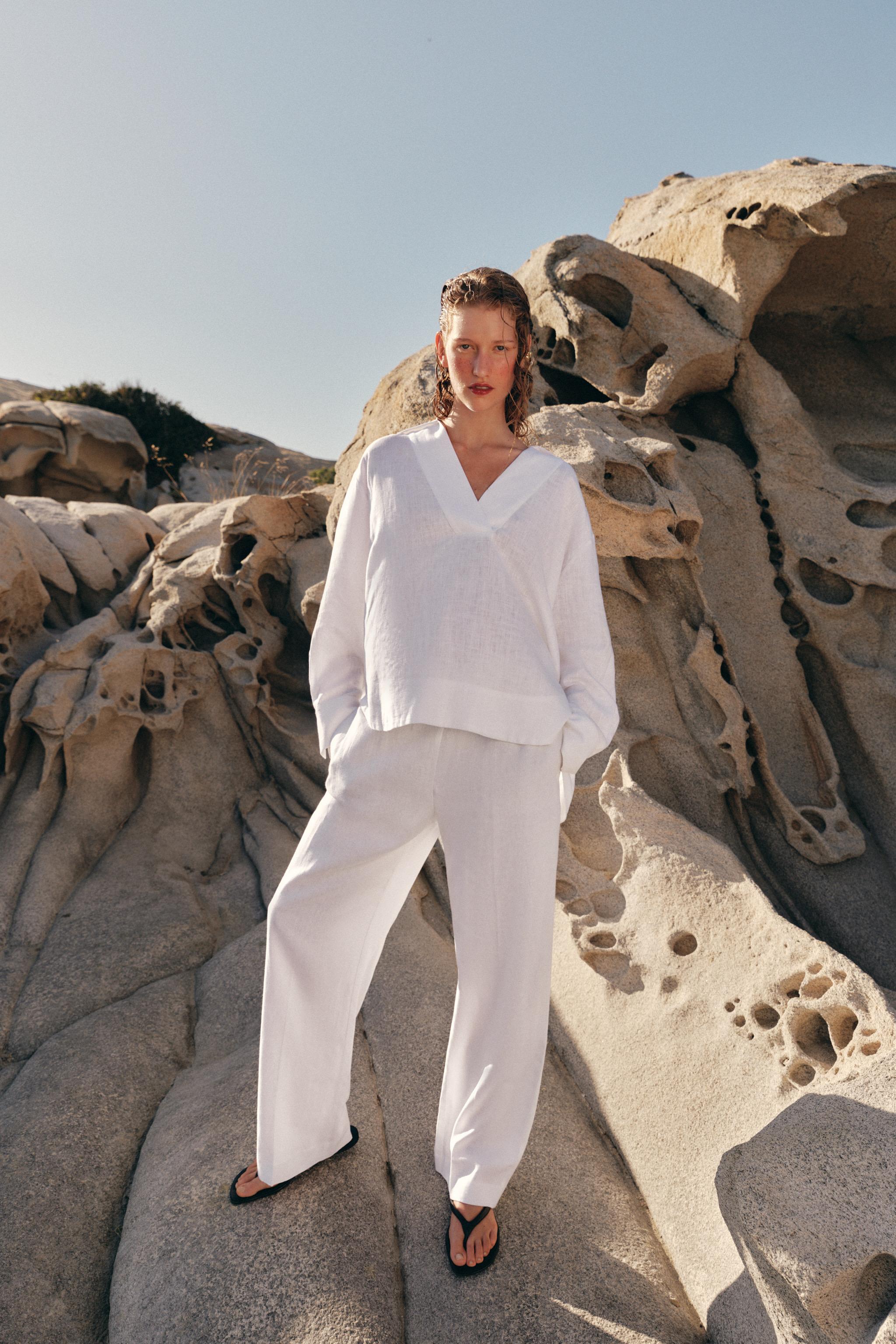
The soft polo collar and relaxed silhouette make this an easy, throw-on piece you'll style with everything from denim to tailored shorts.
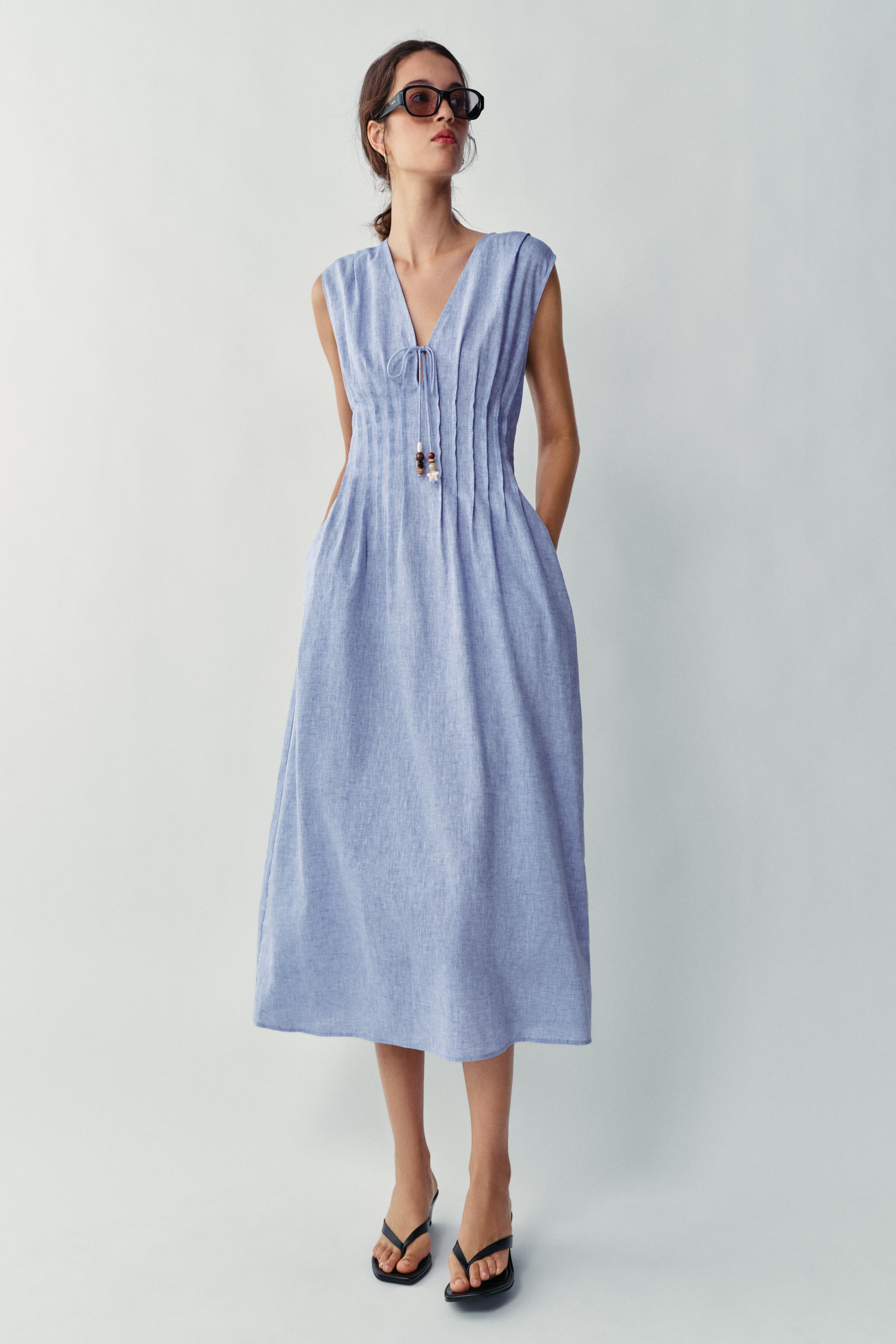
Such a pretty hue!
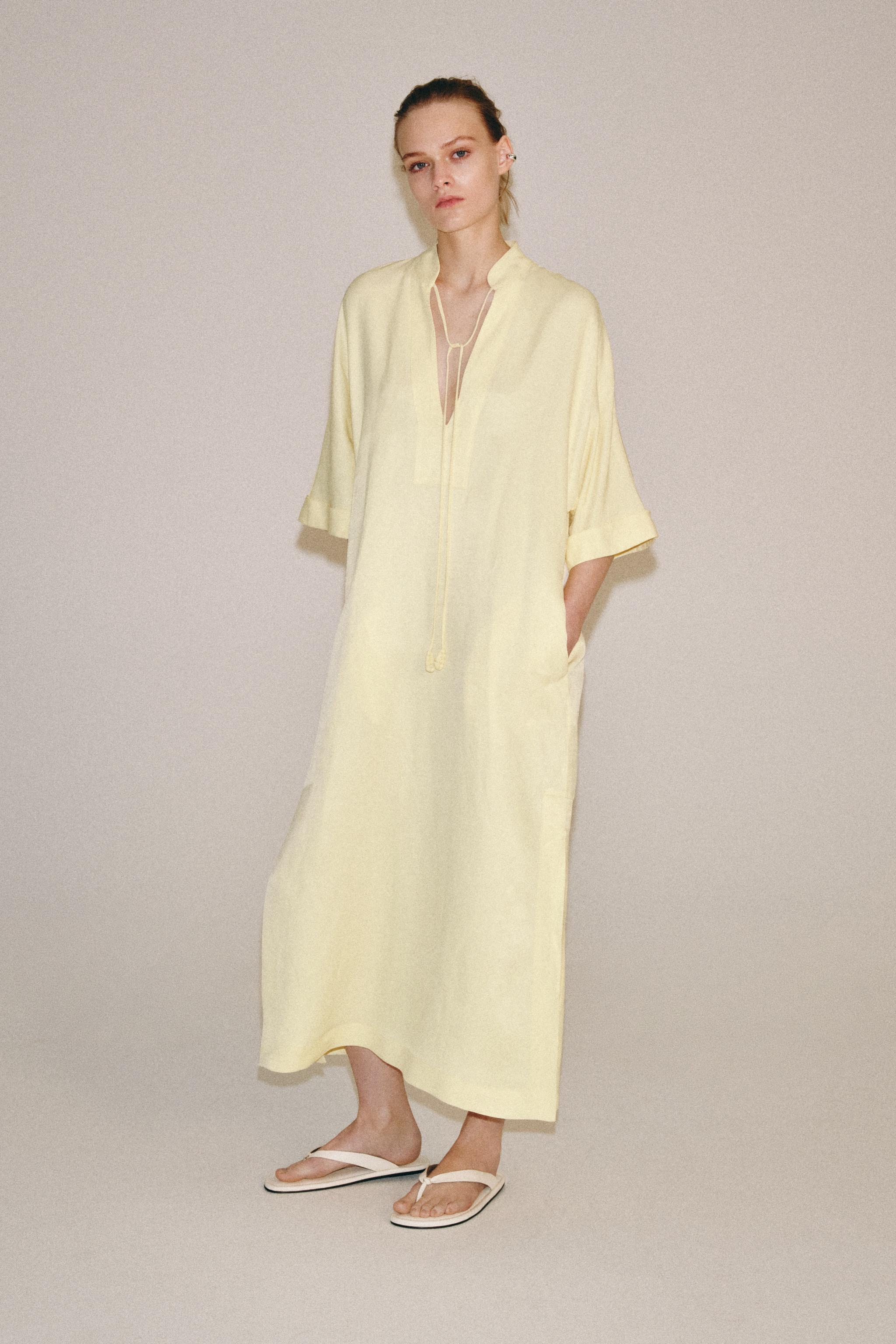
Butter yellow is back.
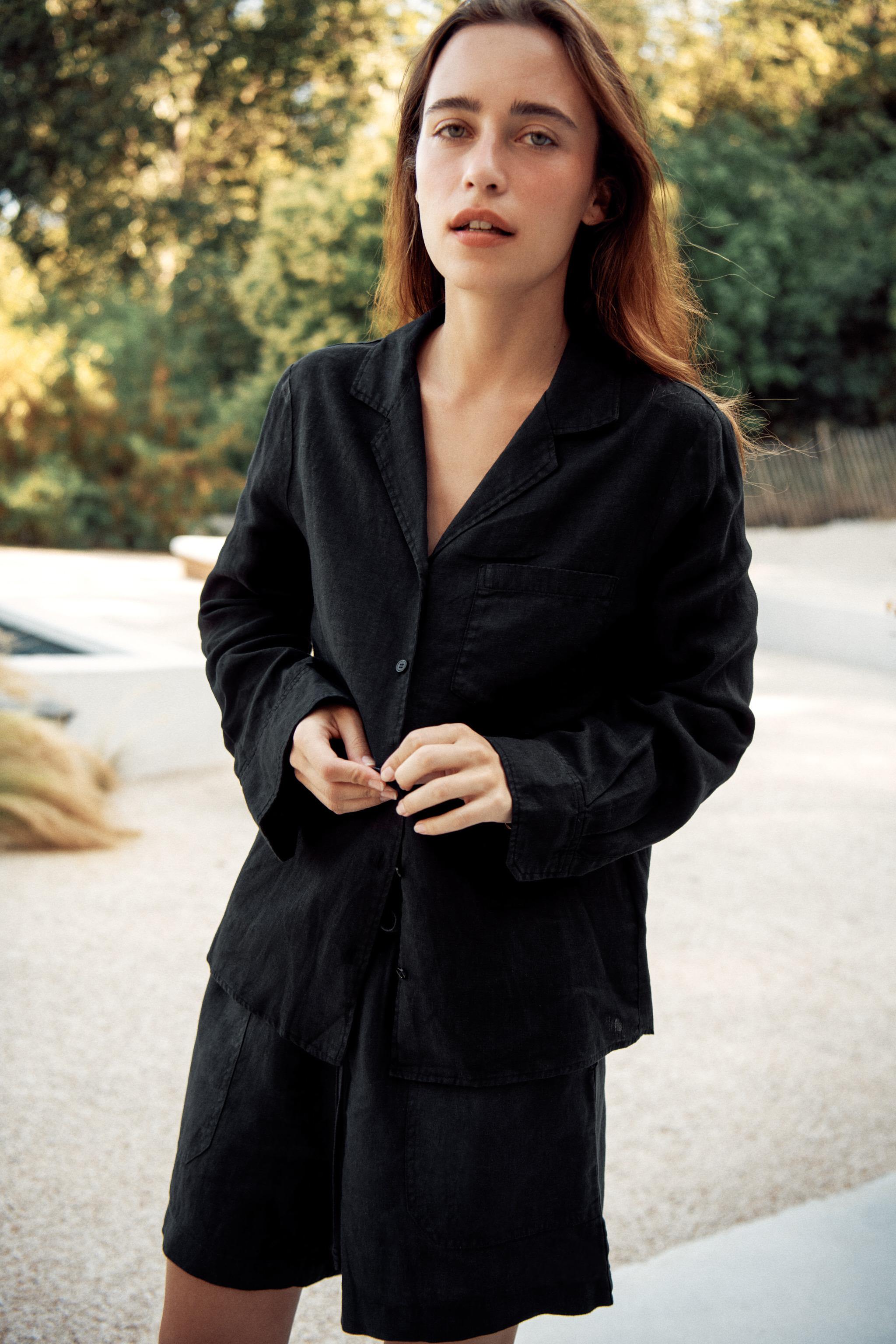
There's something so inherently elegant about a black linen shirt.
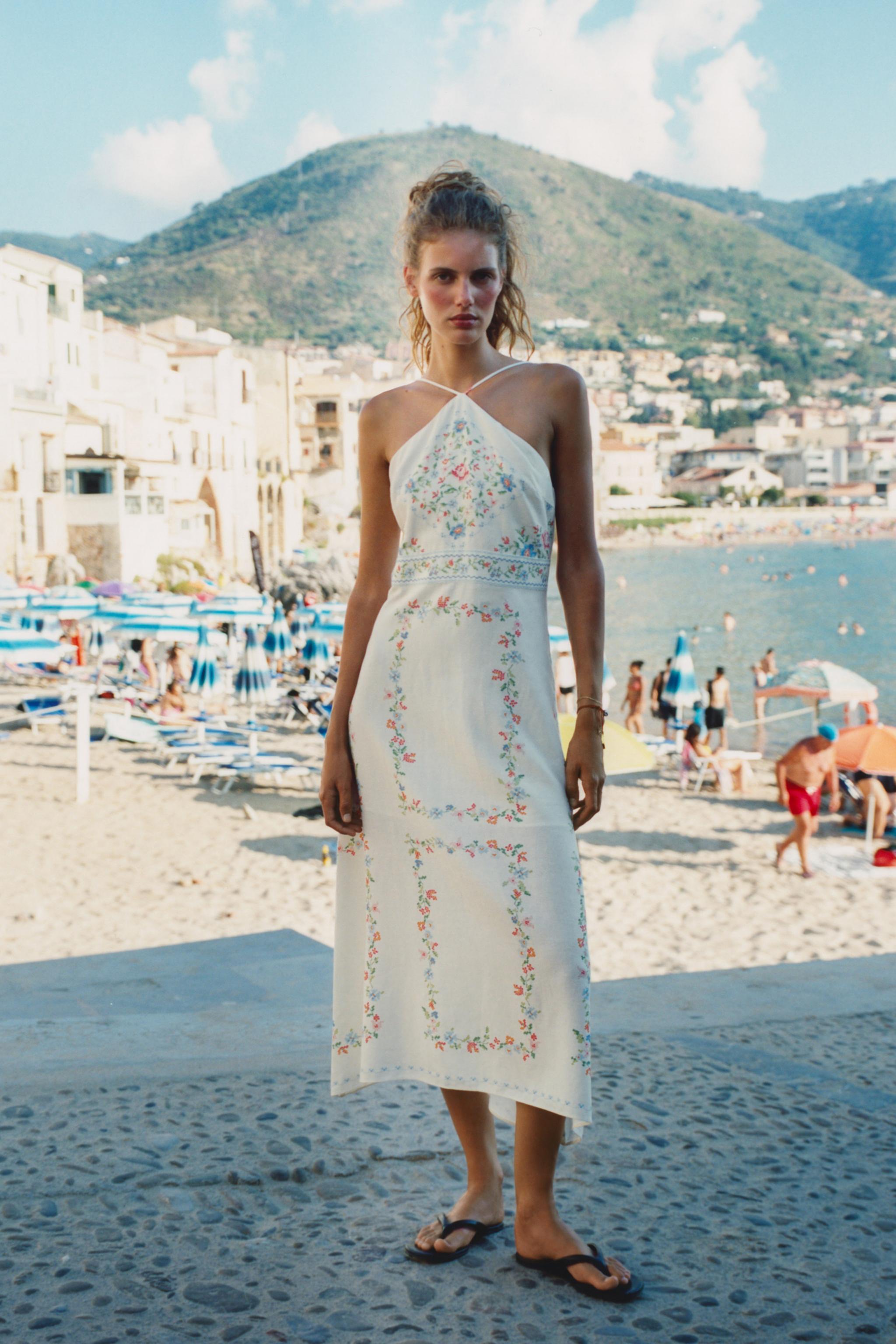
An easy throw-on dress with an elegant print that feels equally suited to an island holiday as a chic city break.
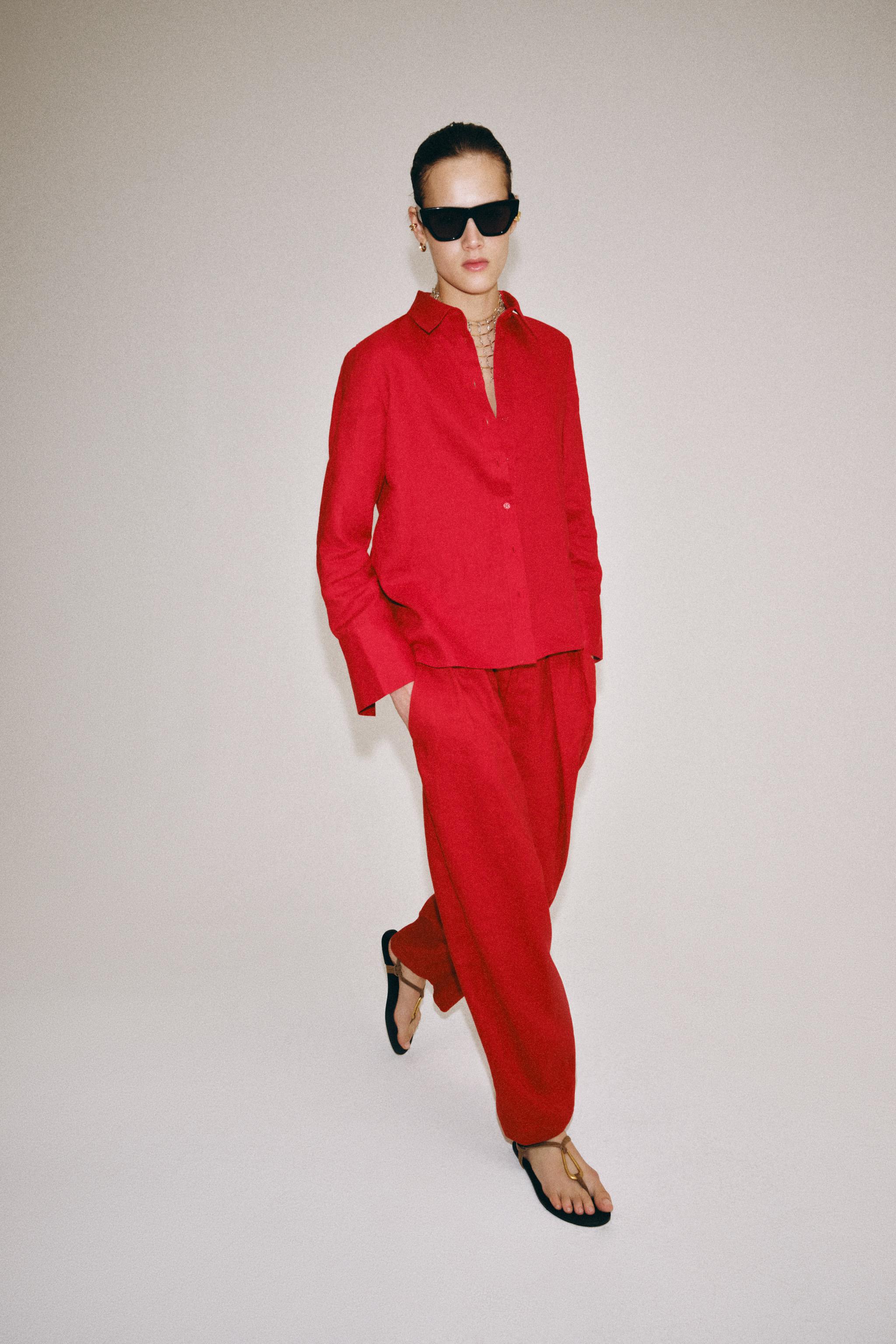
Tomato red is everywhere this season, and this Zara shirt is the perfect way to inject it into your wardrobe.
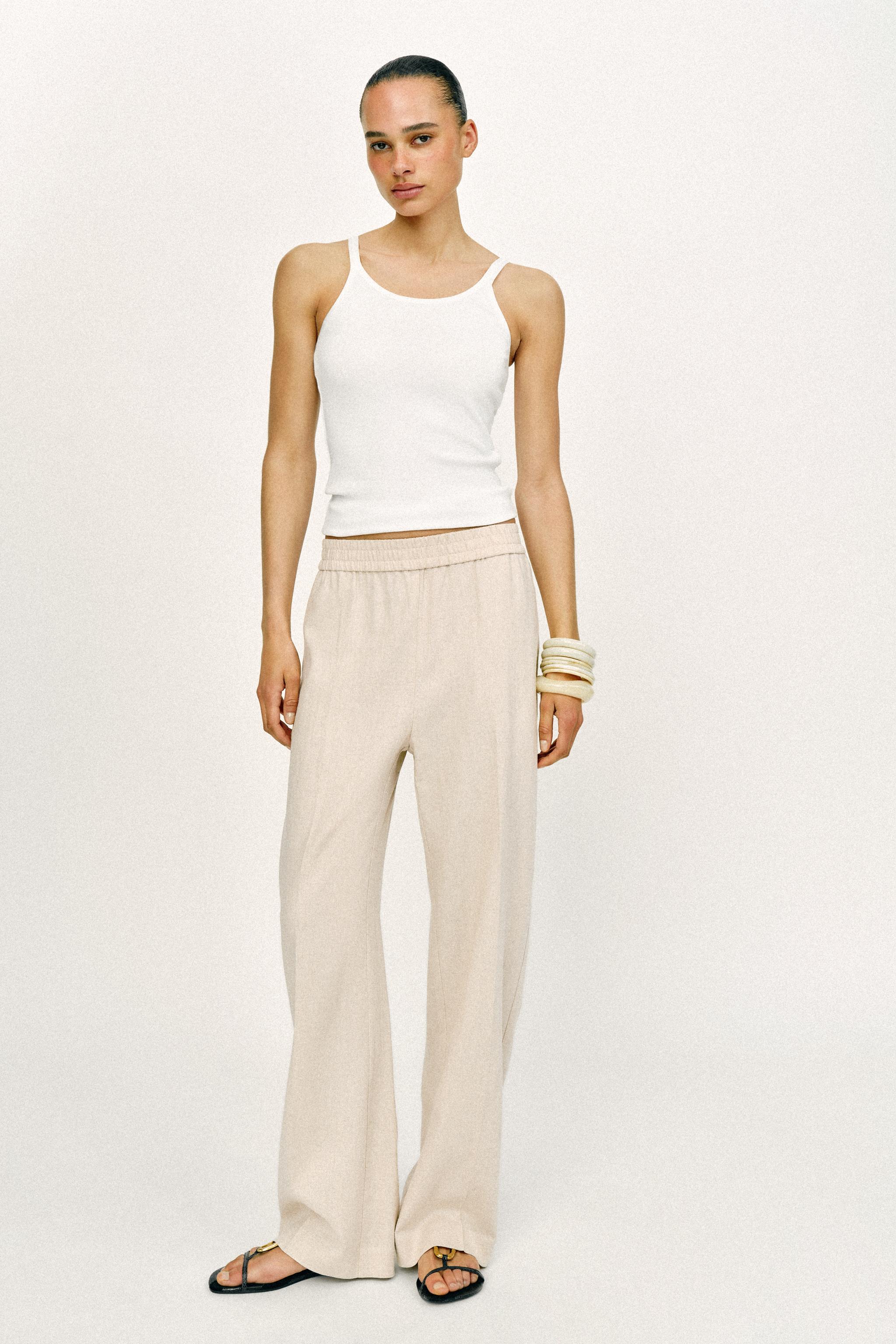
I own these, and I've been wearing them most days.

The relaxed kimono-inspired silhouette lends an elegant, fashion-forward feel to this classic linen shirt.
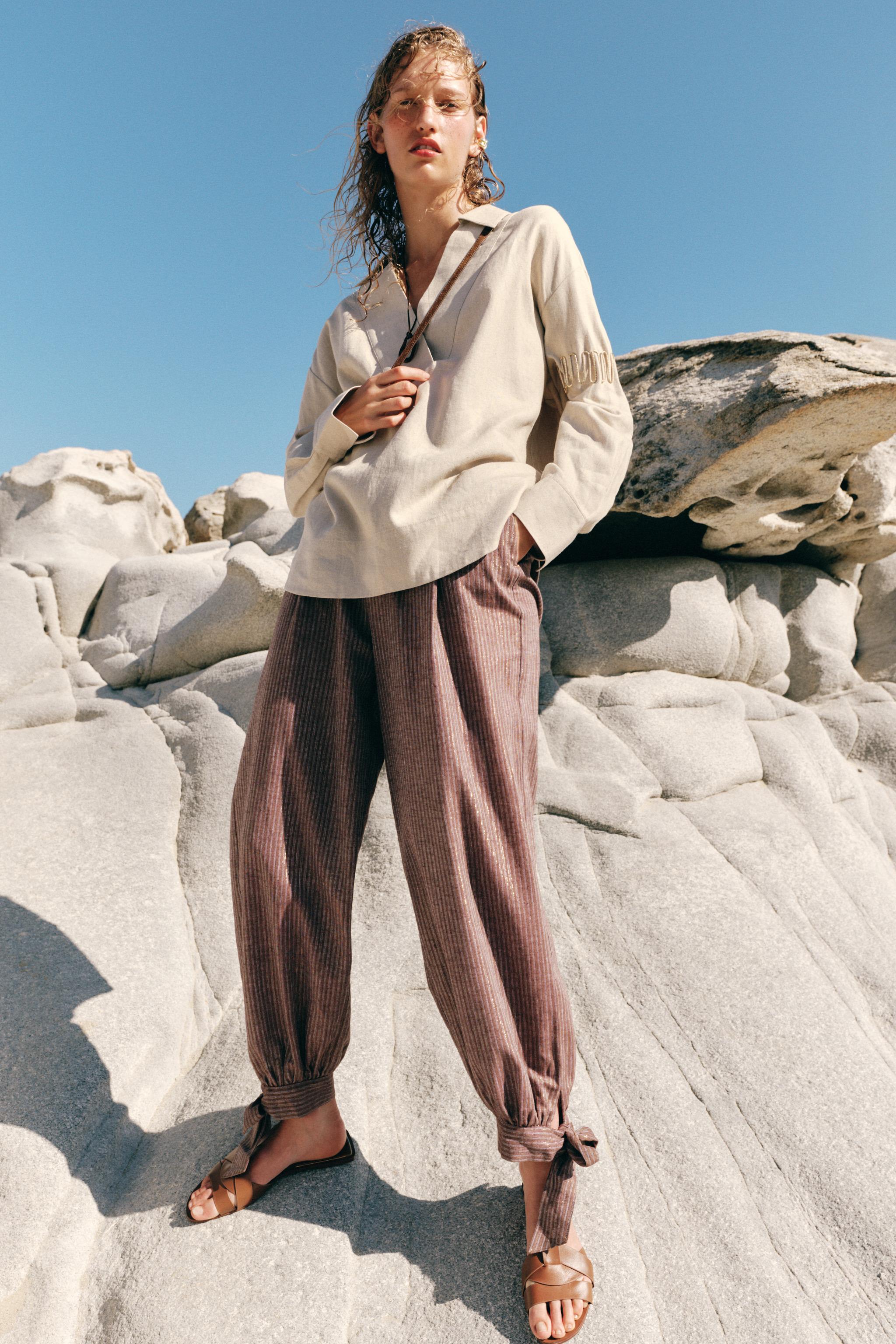
This oversized shirt drapes beautifully and makes warm-weather layering effortless.
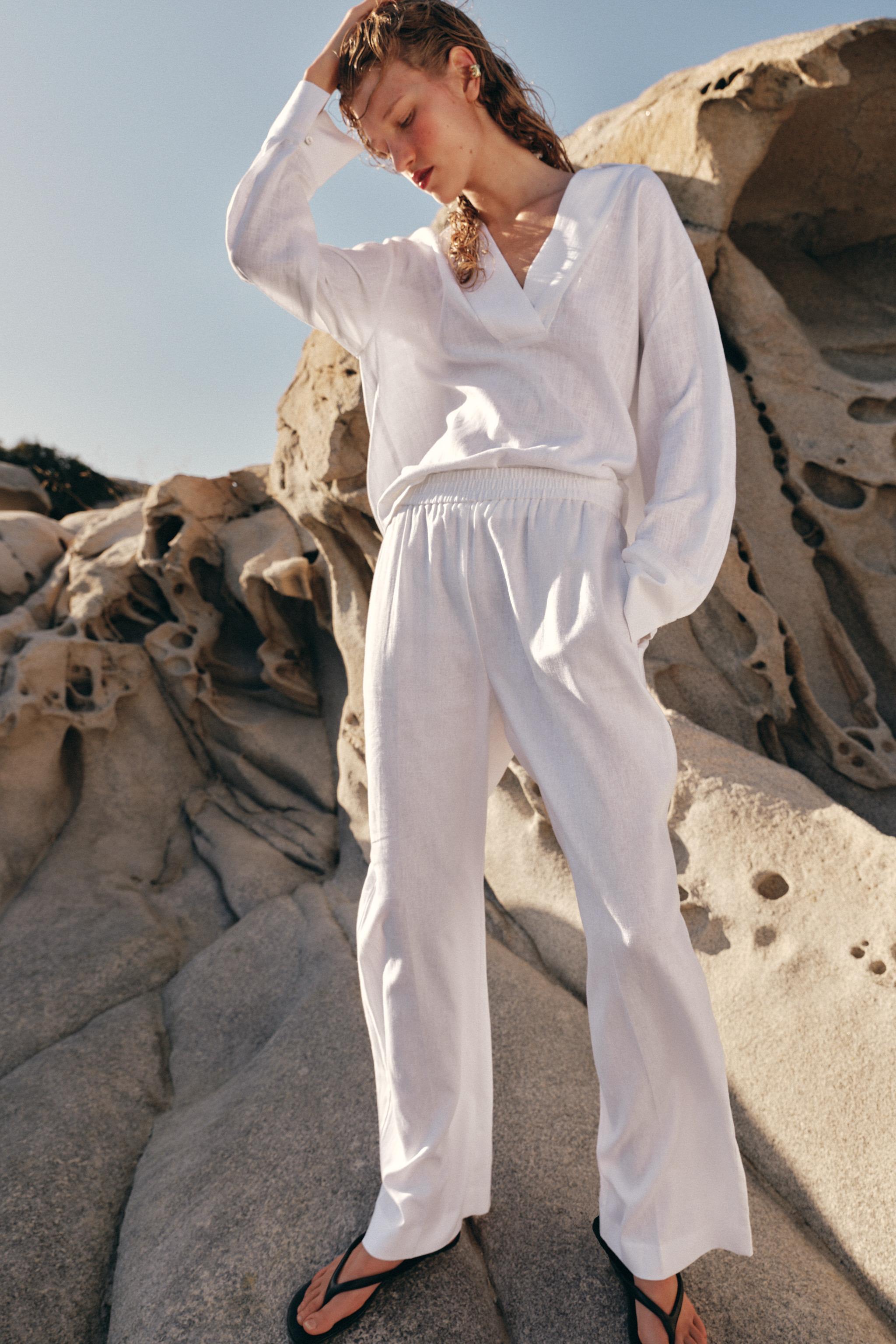
The kind of trousers you'll reach for all summer long.