•2 min read•from Frontiers in Marine Science | New and Recent Articles
Blue economy readiness and community engagement in Qatif city, Saudi Arabia
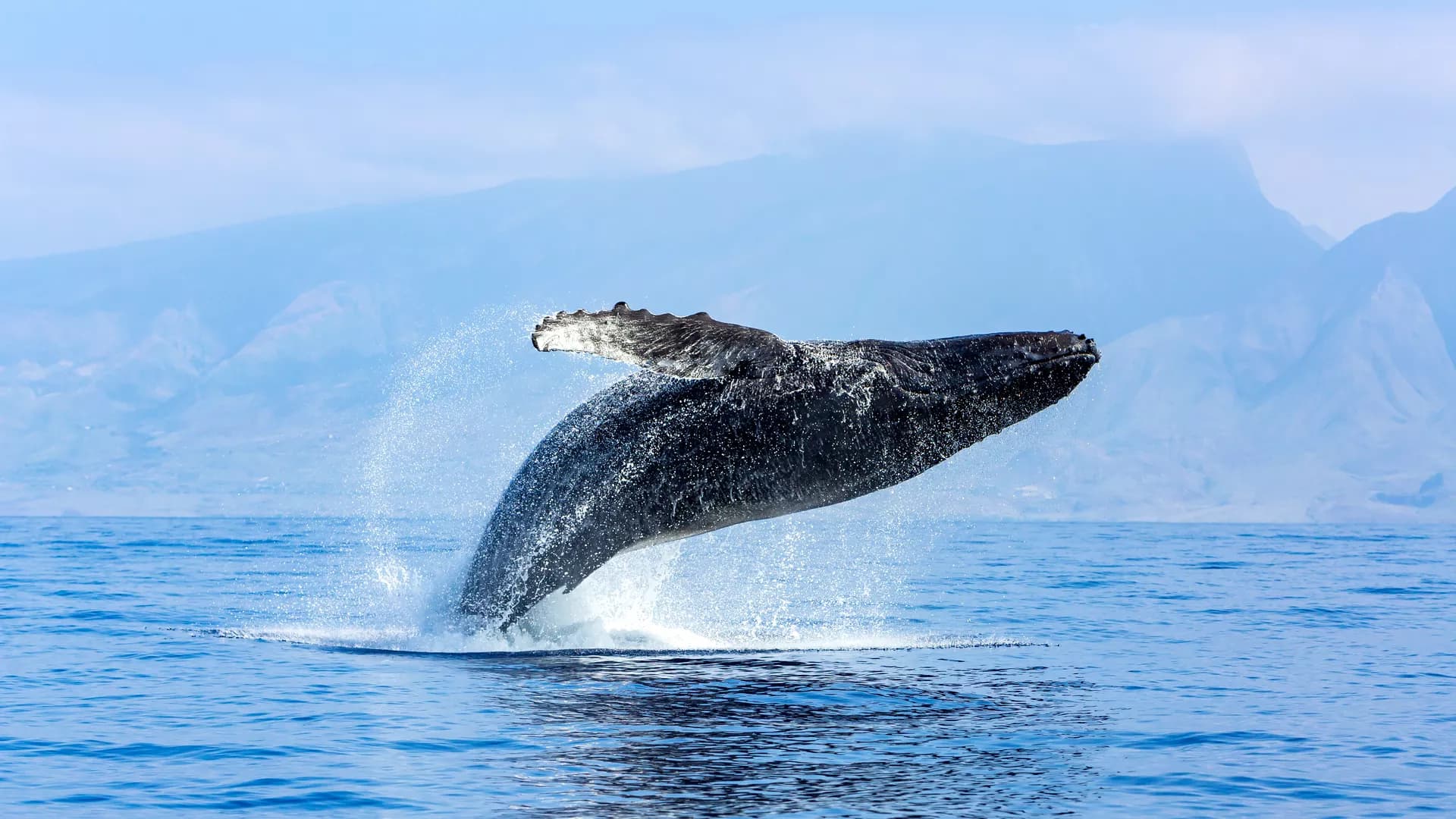
IntroductionThe Blue Economy has emerged as a global framework for achieving sustainable coastal development by integrating ecological protection, economic diversification, and social inclusion. Despite Saudi Arabia’s strong national commitment to marine sustainability under Vision 2030 and the Saudi Green Initiative, limited empirical research has examined how Blue Economy strategies translate into local implementation. This study assesses Blue Economy readiness in Qatif City, a historic coastal community in the Eastern Province, by evaluating how institutional governance, environmental awareness, sectoral opportunities, and community engagement interact to shape sustainable coastal development.MethodsA mixed-methods research design was employed using a sequential explanatory approach. Quantitative data were collected through a structured questionnaire administered to 137 stakeholders representing government, private sector, NGOs, academics, and coastal community members. Statistical analysis included descriptive statistics, Exploratory Factor Analysis (EFA), Confirmatory Factor Analysis (CFA), and Structural Equation Modeling (SEM) to identify latent constructs and causal relationships among readiness factors. Qualitative insights from open-ended responses were analyzed using NVivo thematic coding to complement and interpret the statistical findings.ResultsThe analysis identified three core determinants of Blue Economy readiness: institutional conditions, environmental awareness and research capacity, and sectoral opportunities. Structural modeling revealed that institutional barriers negatively influence both sectoral opportunities (β = –0.41) and community engagement (β = –0.32), whereas environmental awareness significantly enhances opportunity perception (β = 0.54) and civic participation (β = 0.48). Community engagement emerged as the strongest predictor of overall readiness (β = 0.62, p < 0.001), highlighting its mediating role between governance conditions and economic opportunities. Qualitative findings reinforced these patterns, emphasizing governance fragmentation, environmental degradation, and the need for greater stakeholder participation and marine education.ConclusionThe study demonstrates that successful Blue Economy implementation at the city level depends on integrated governance systems, environmental literacy, sectoral innovation, and inclusive community participation. Qatif City possesses significant potential to develop a sustainable marine economy if institutional coordination, research capacity, and participatory governance mechanisms are strengthened. The validated readiness model provides a replicable framework for evaluating coastal development strategies in Saudi Arabia and other emerging maritime economies, supporting policy implementation aligned with Vision 2030 and the Saudi Green Initiative.
Want to read more?
Check out the full article on the original site
Tagged with
#environmental DNA
#research collaboration
#research datasets
#marine science
#marine biodiversity
#marine life databases
#ocean data
#data visualization
#Blue Economy
#sustainable coastal development
#community engagement
#environmental awareness
#institutional governance
#sectoral opportunities
#Qatif City
#Saudi Arabia
#Vision 2030
#qualitative analysis
#empirical research
#marine sustainability