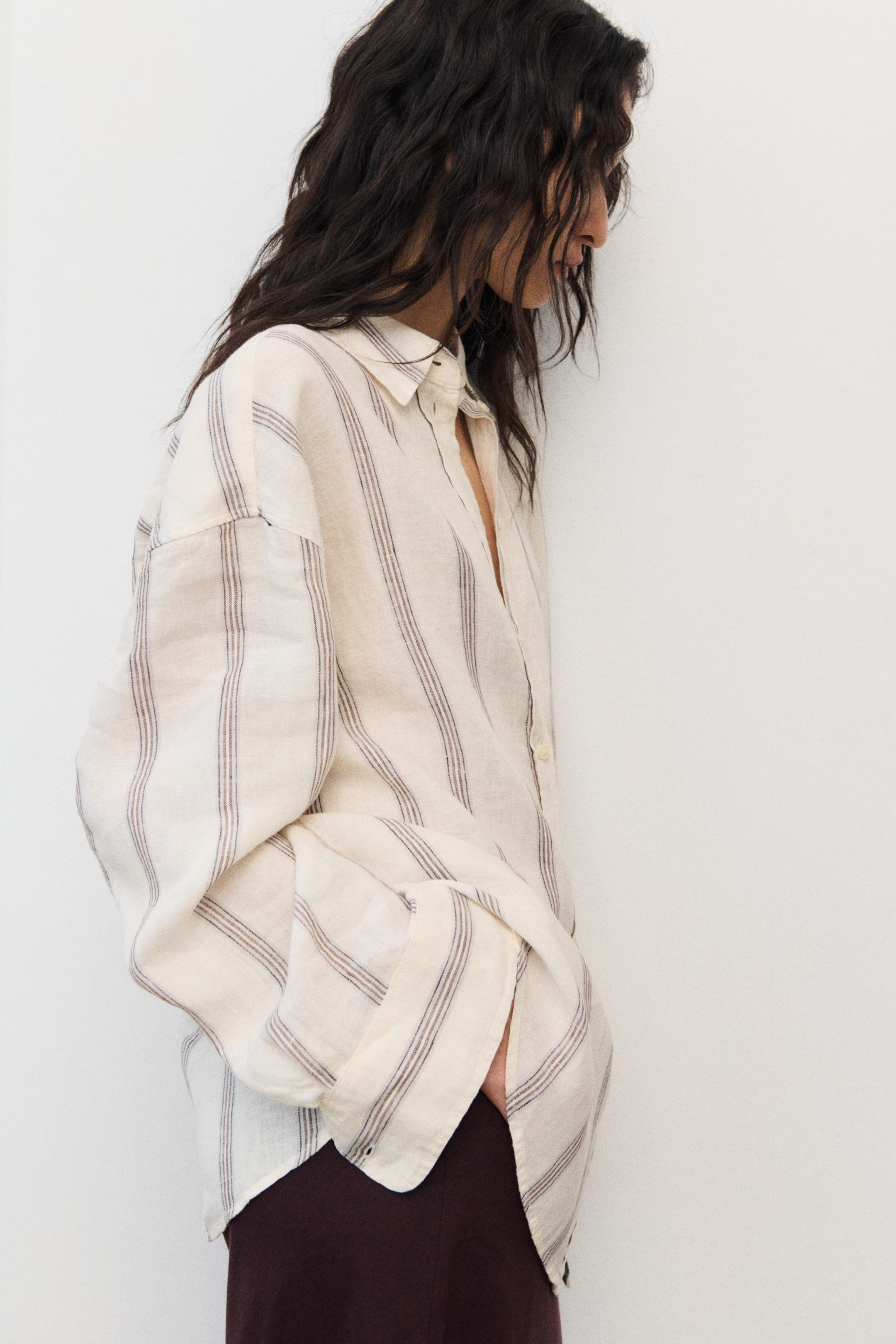
Between overly sweaty commutes to the office and sizzling evenings out with friends, it feels like we’re in a never-ending heatwave here in the UK. And with this, my wardrobe has really been put to the test this summer. Searching for warm-weather staples that both keep me cool and look polished can be a challenge, so I set myself a goal of finding some more anti-trend staples that will instantly join my warm-weather outfit rotations and last me for many years to come.
Luckily for me, I didn't have to look very far, as H&M has just dropped another easy, elegant summer edit filled to the brim with capsule wardrobe staples that will help to bolster up my hot-weather outfit formulas. Using timeless hues and exaggerated silhouettes that will stand the test of time in my wardrobe, each item can be mixed and matched into a myriad of different outfits that are sure to save me from that daily “what do I wear!?” panic in the mornings.
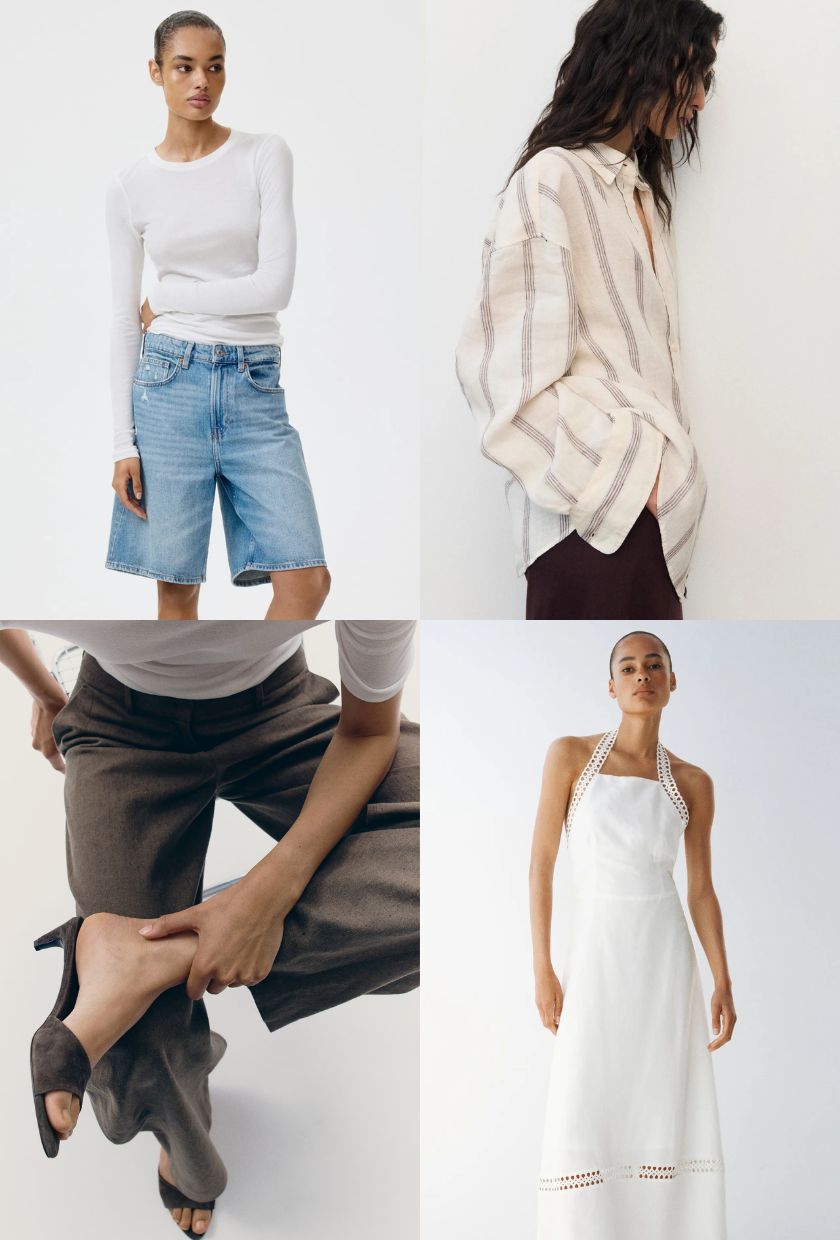
Although the entire edit has seriously impressed me, in lieu of breaking the bank, I’ve decided to focus my attention on just nine of the most elegant anti-trend staples that have made their way into my basket this season. And trust me when I say that they won't stay in stock for very long.
Keep scrolling to discover the nine best items to shop in H&M’s anti-trend summer collection.
9 Anti-Trend Buys From H&M That Will Be Sold Out By August
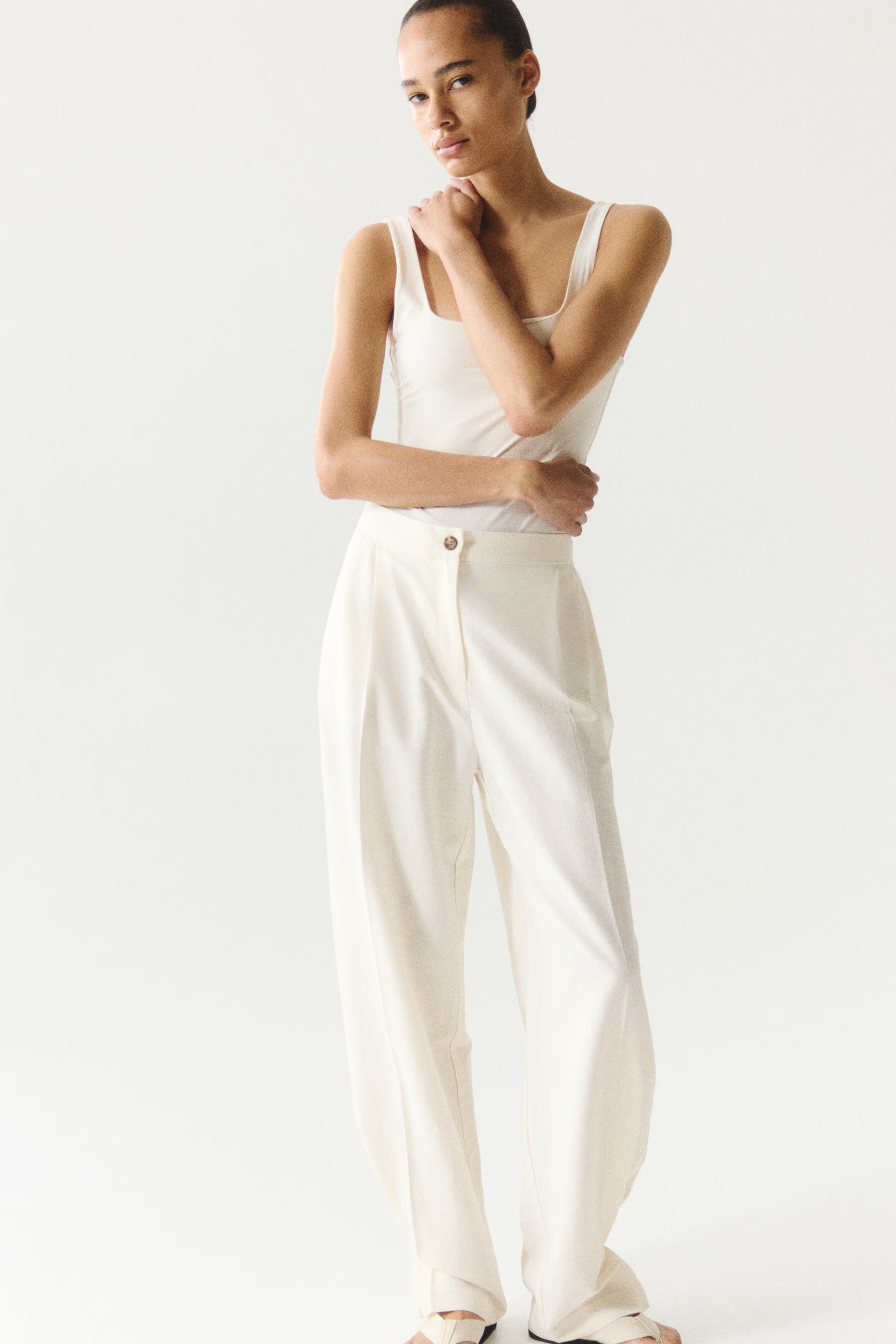
A linen trouser style that's polished enough for the office.
This went straight into my basket.
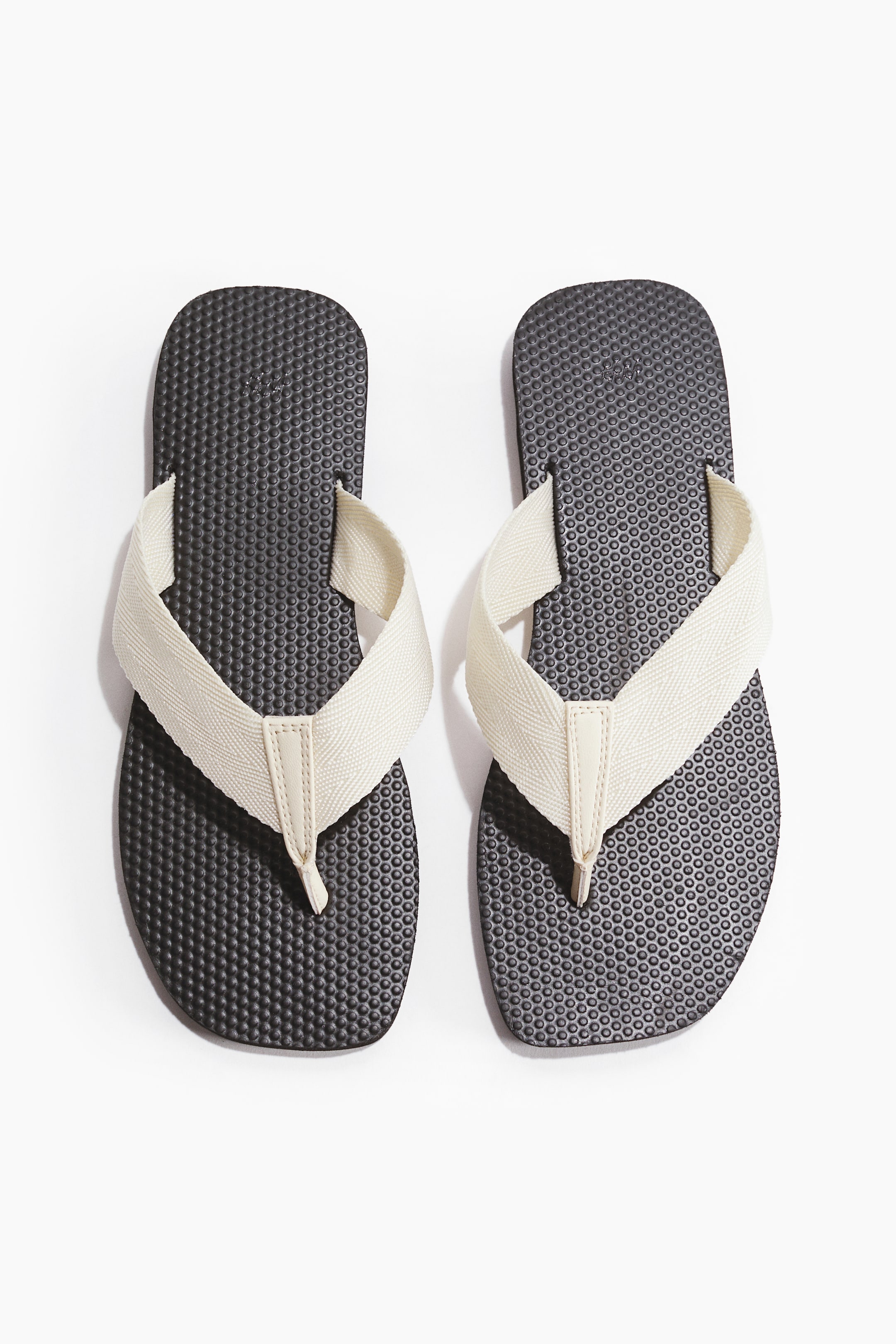
Two-tone flip-flops are having a moment.
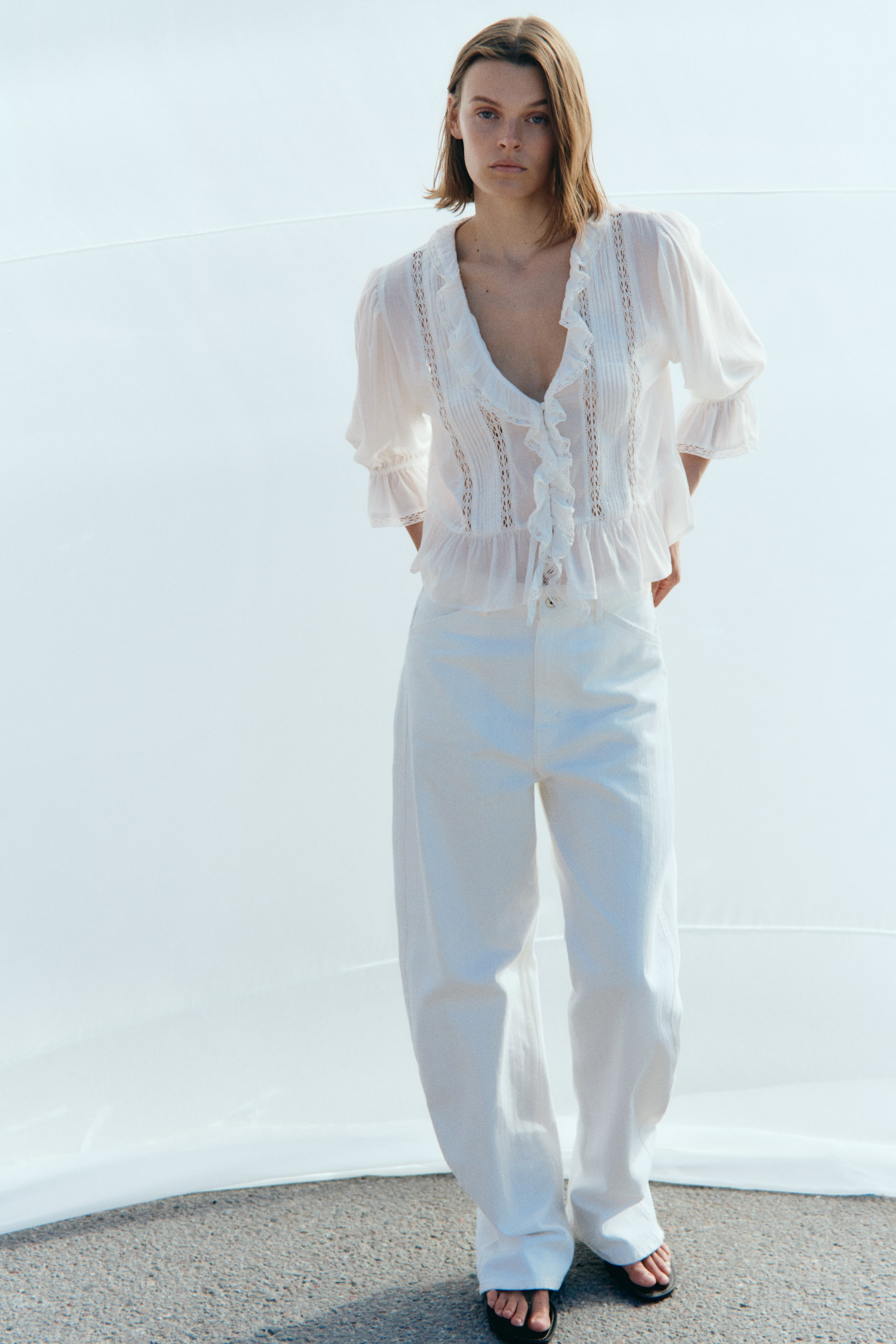
This looks like so many designer options on the market right now.
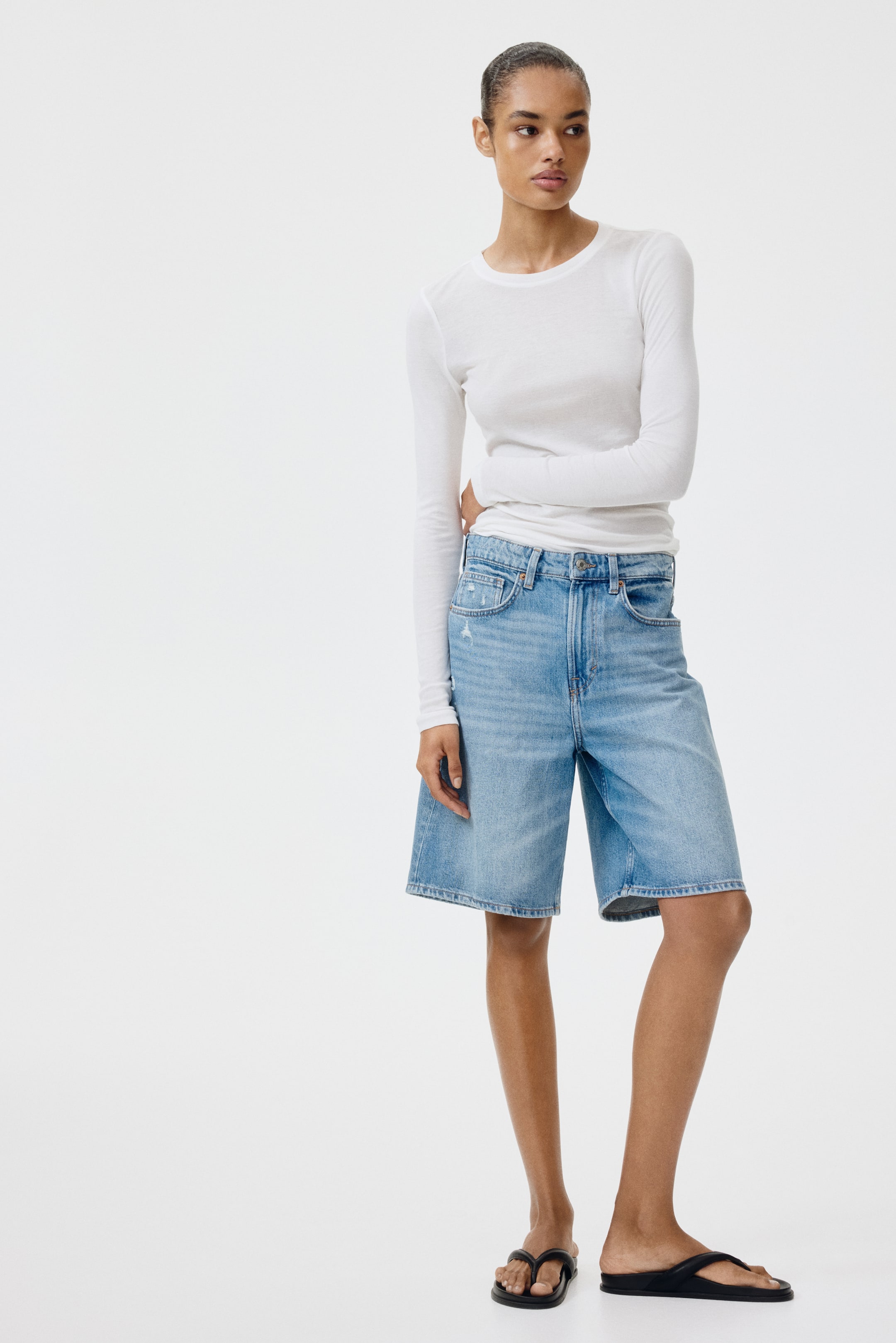
A great alternative to jeans in the warm weather.
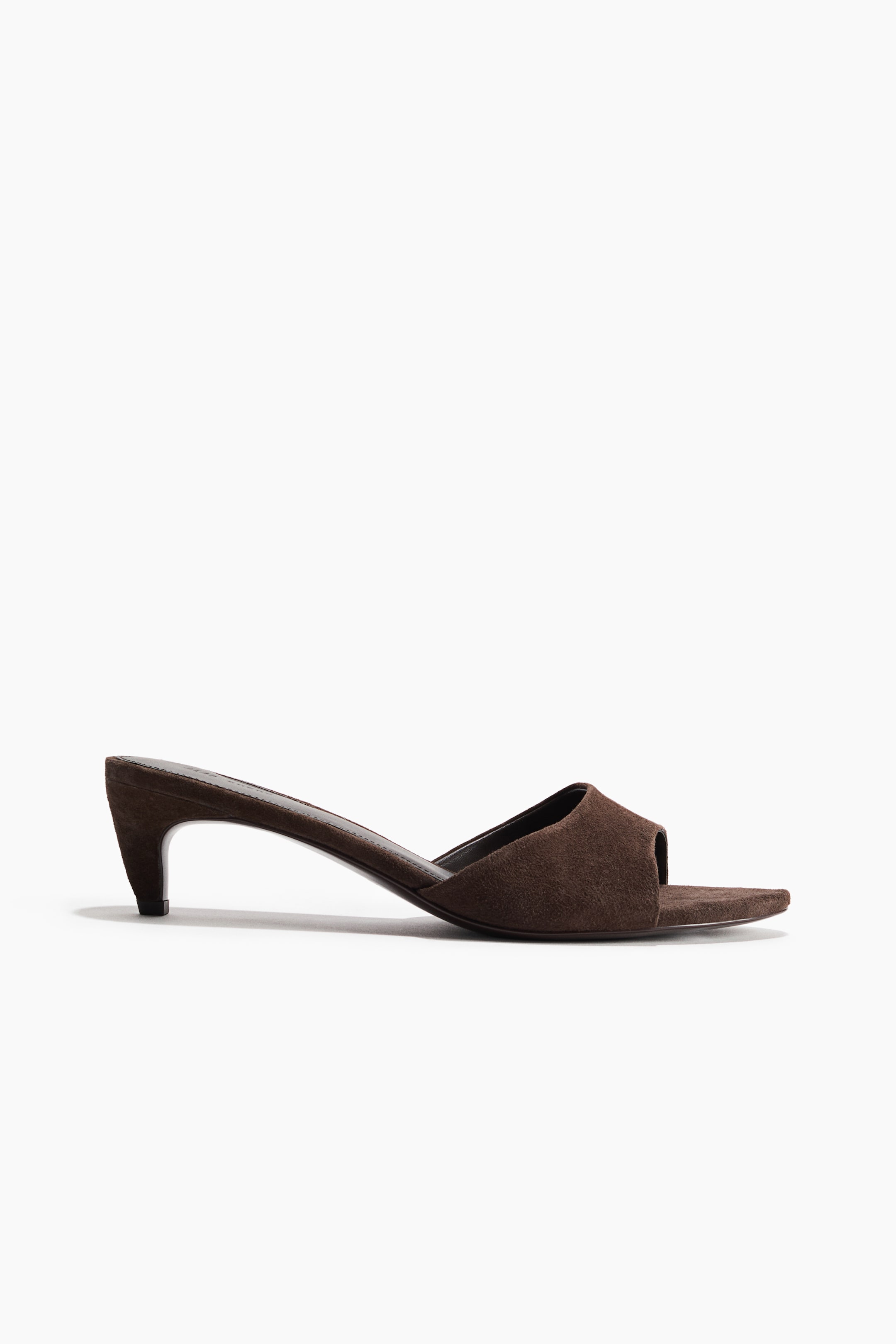
'90s chic.
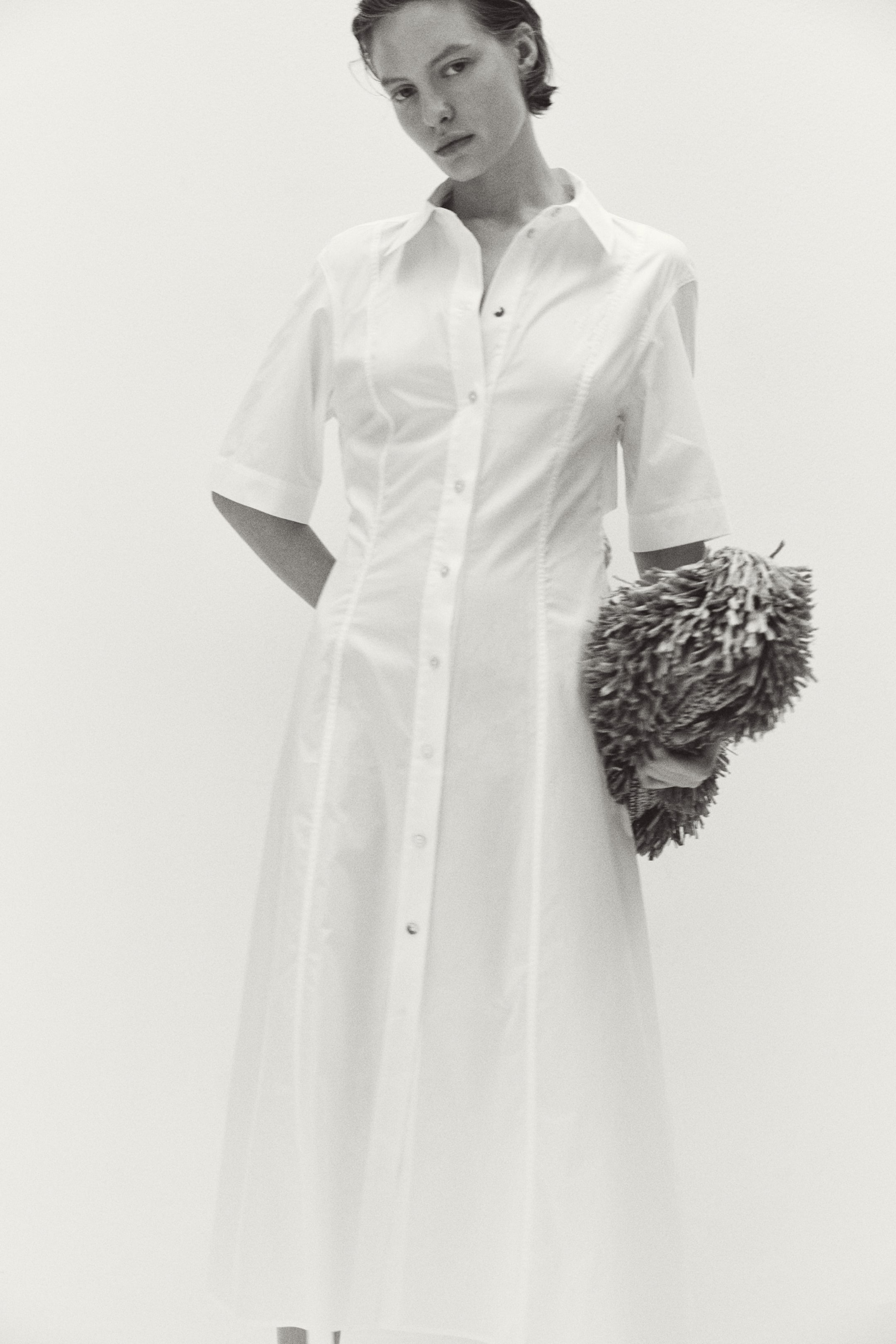
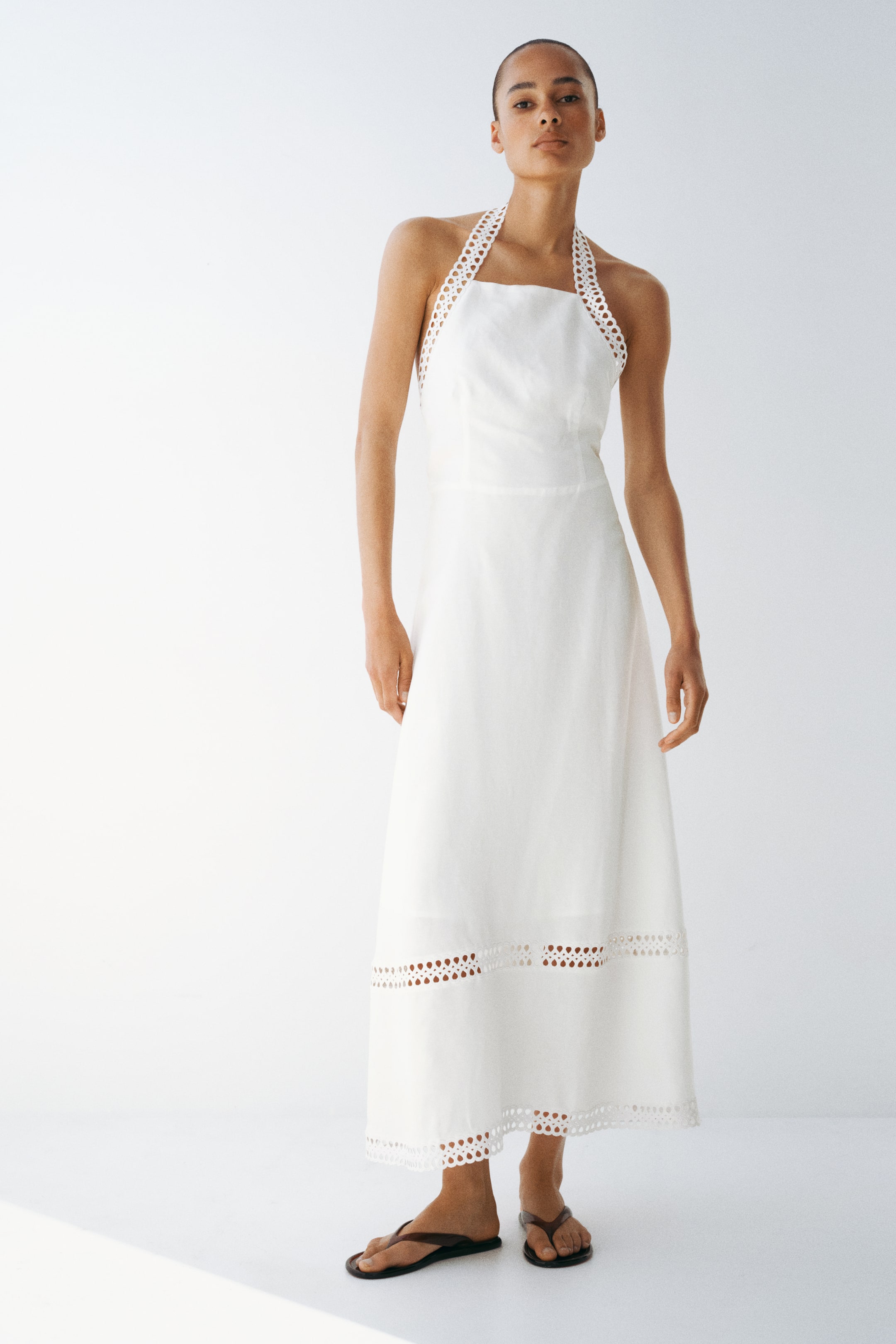
Just wait until you see the back of this dress.
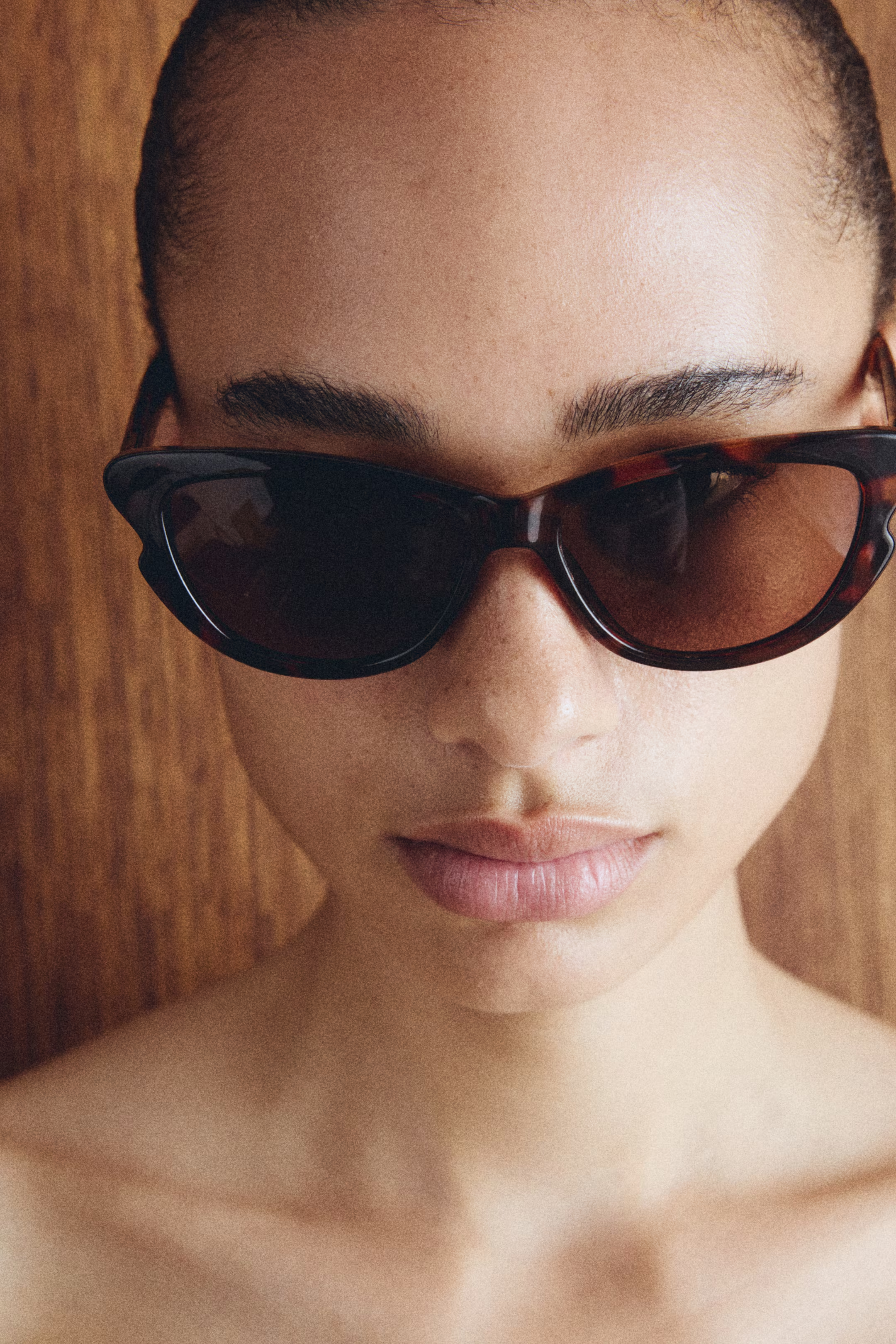
Proof you don't need to splash out loads on chic sunnies.
Shop More H&M Pieces I Love
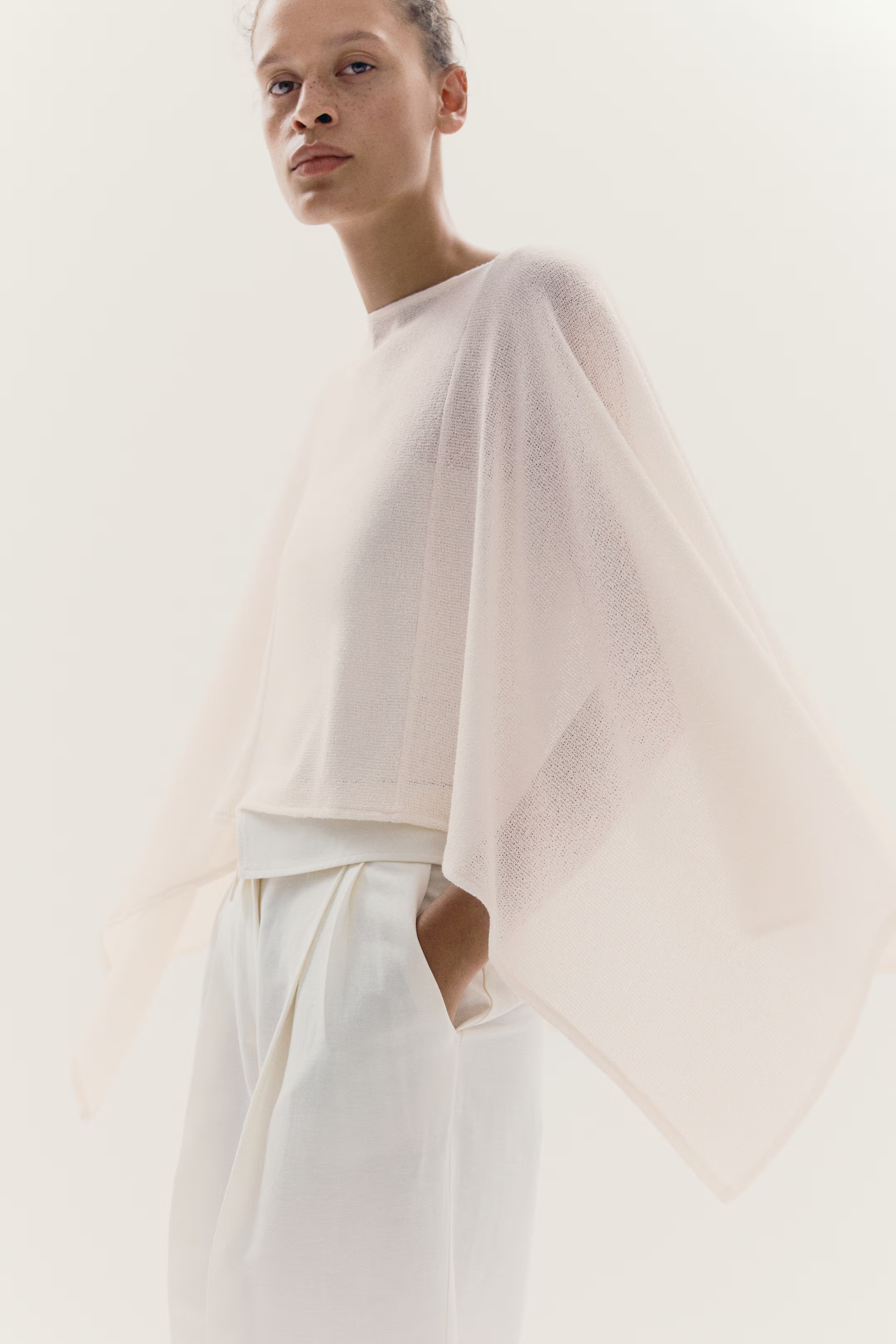
Cape tops are having a moment.
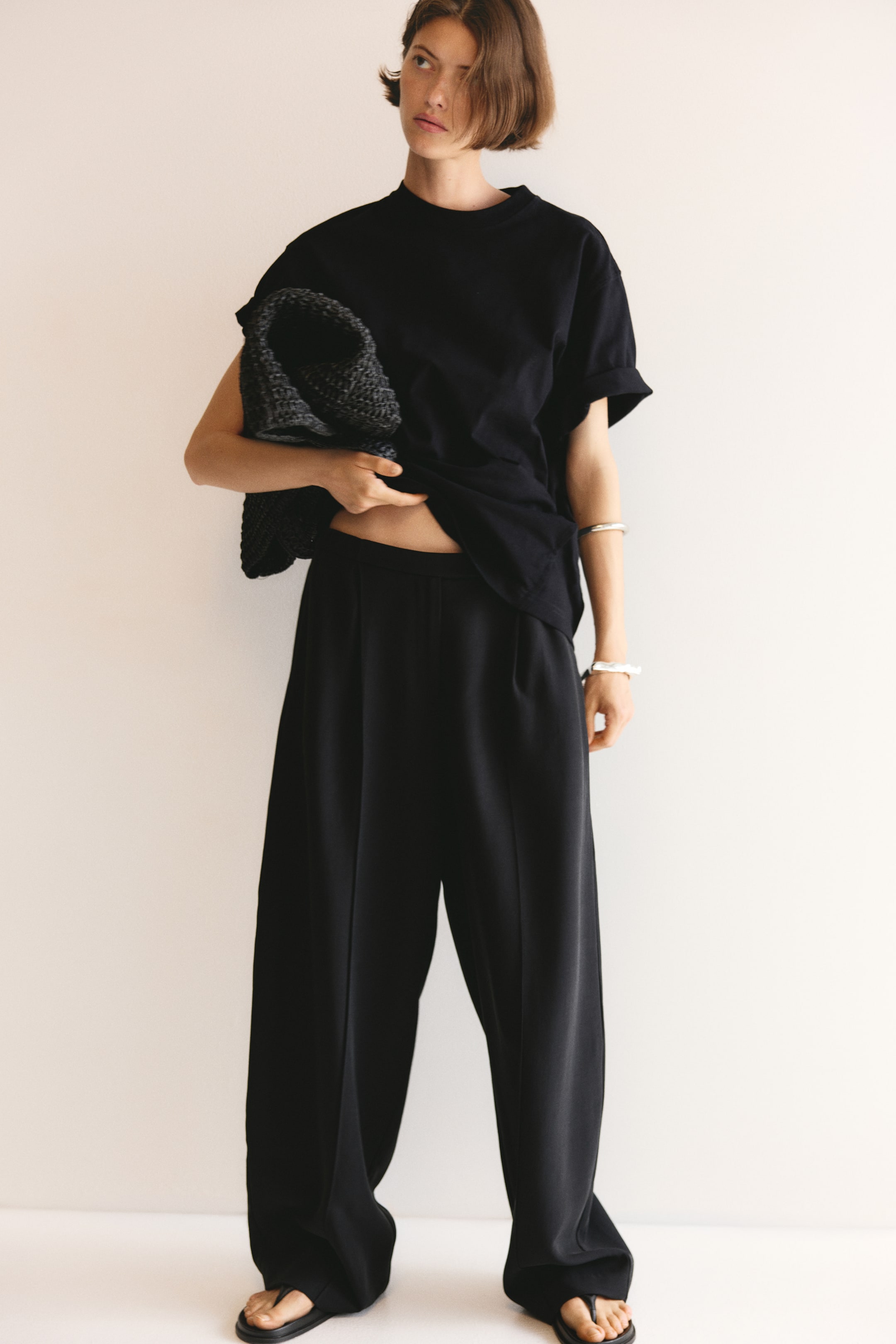
The perfect throw-on trousers.
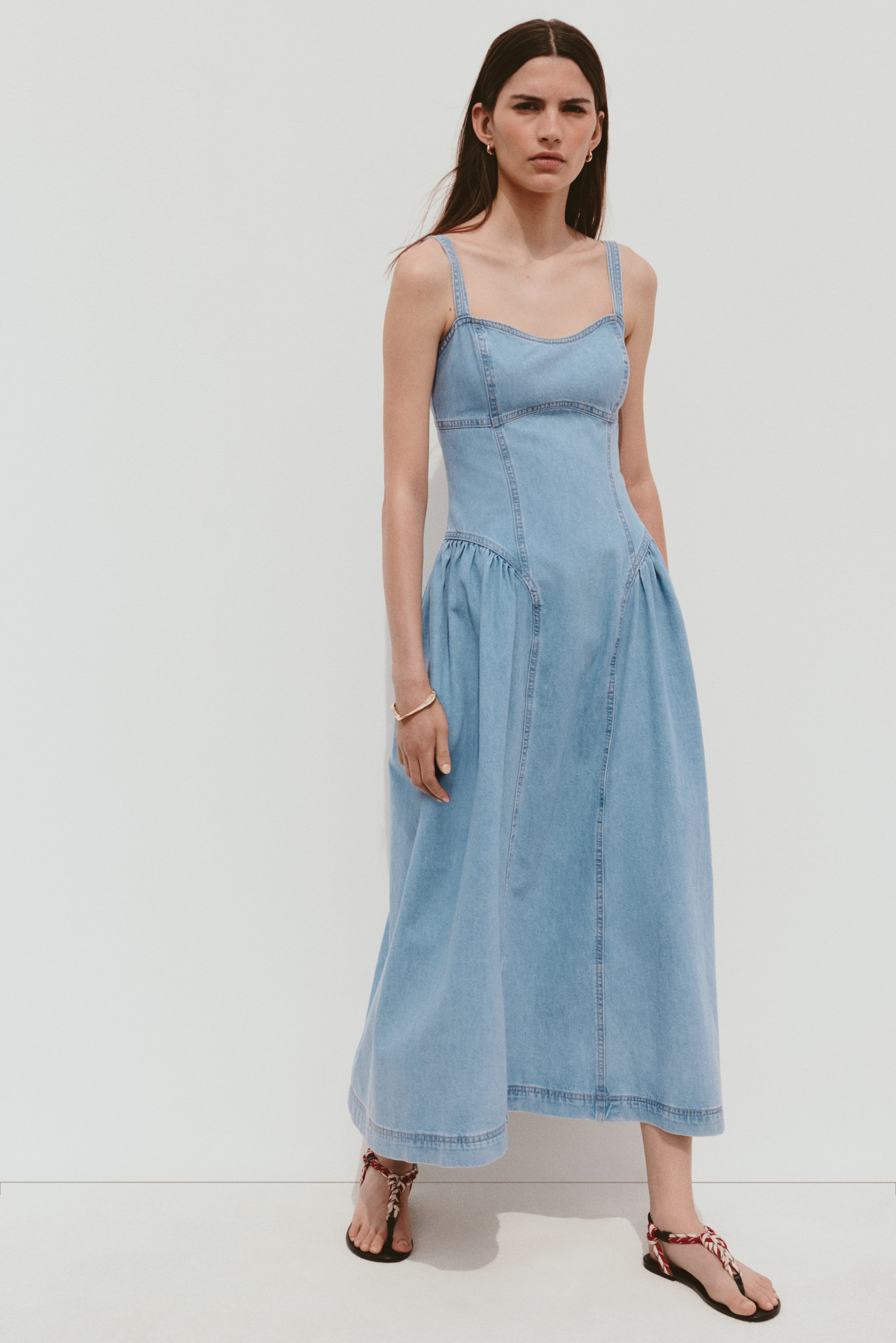
Such an elegant silhouette.
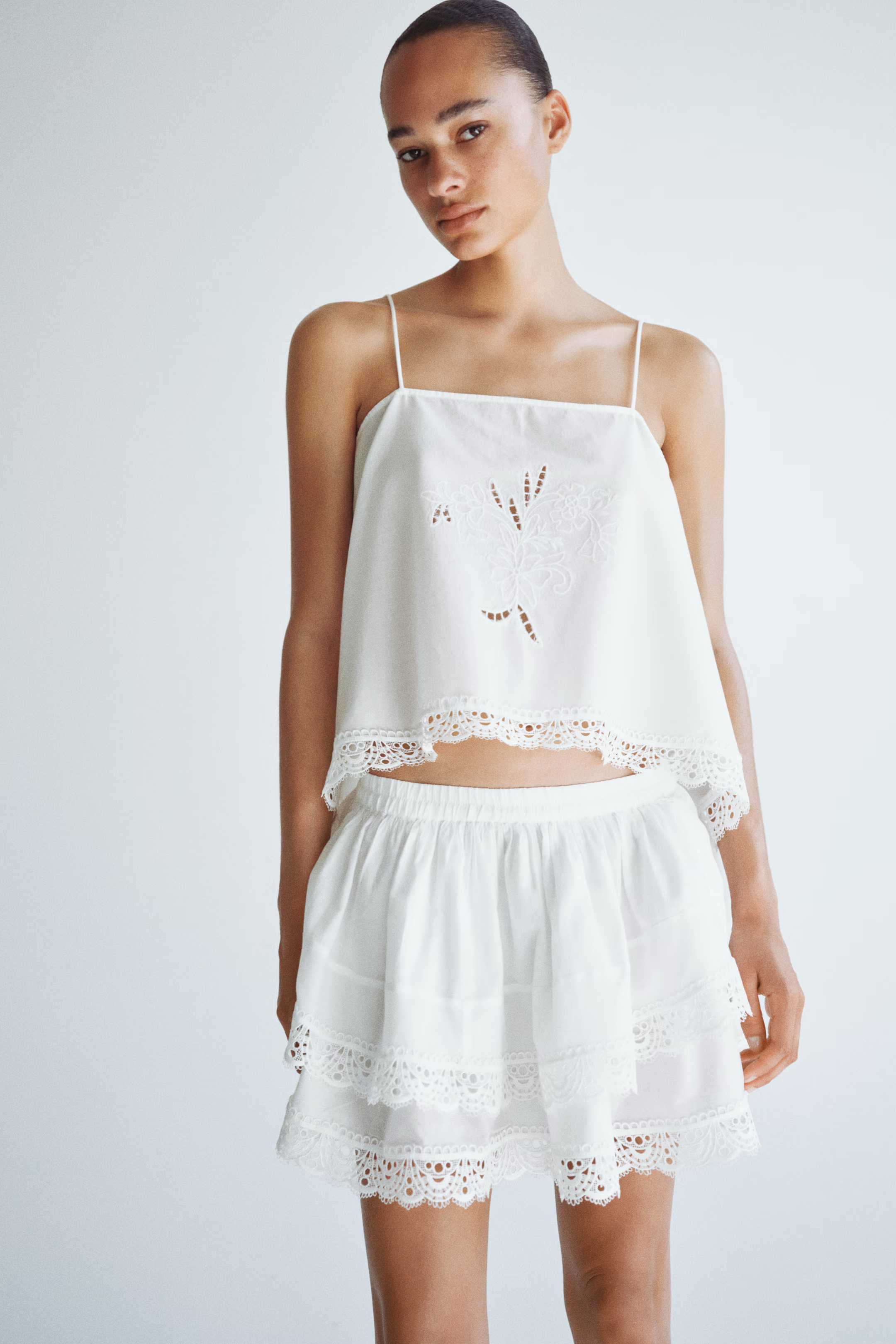
An easy way to dress up your jeans, skirts or Bermuda shorts.
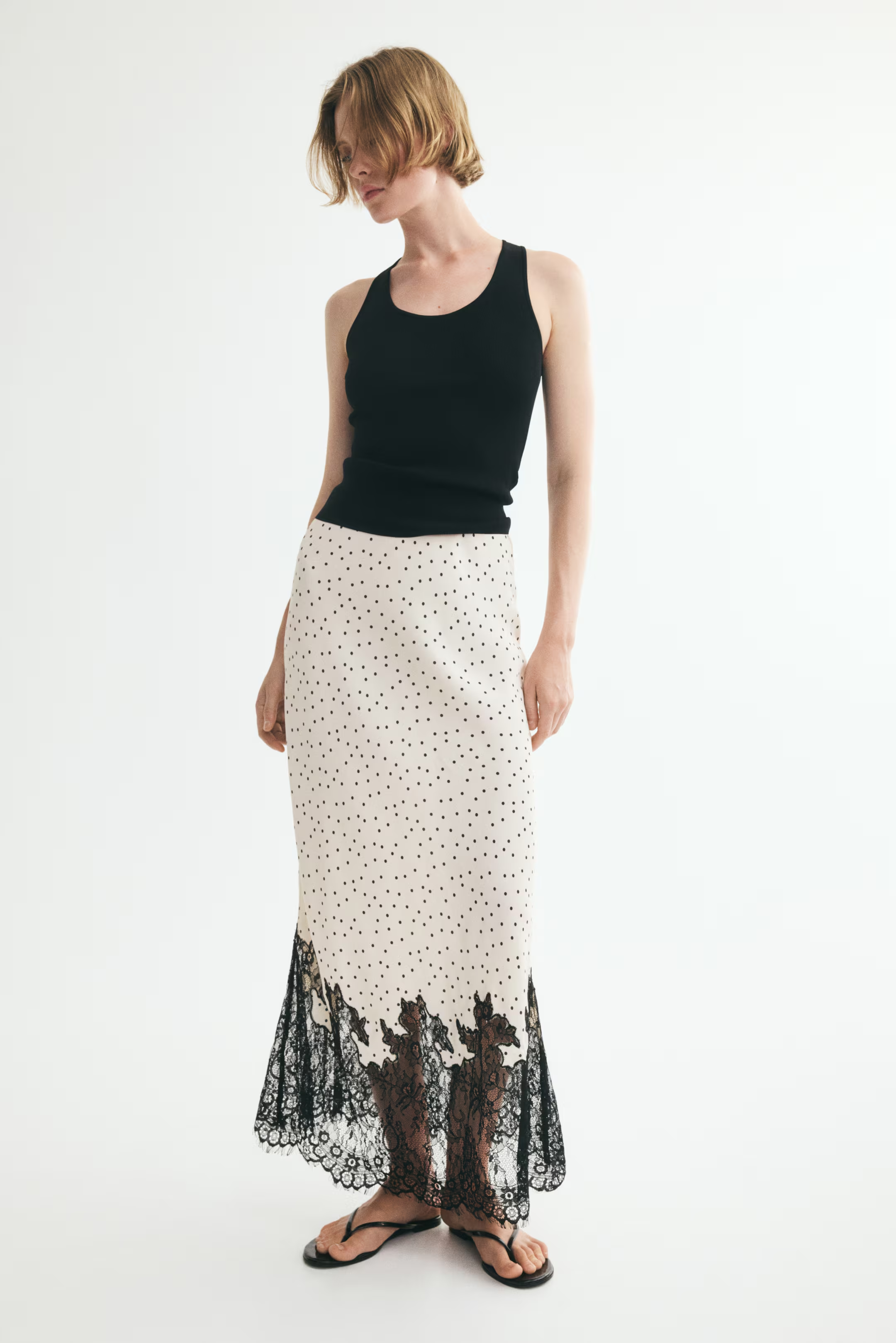
Yes, polka dots are still in for summer 2026.
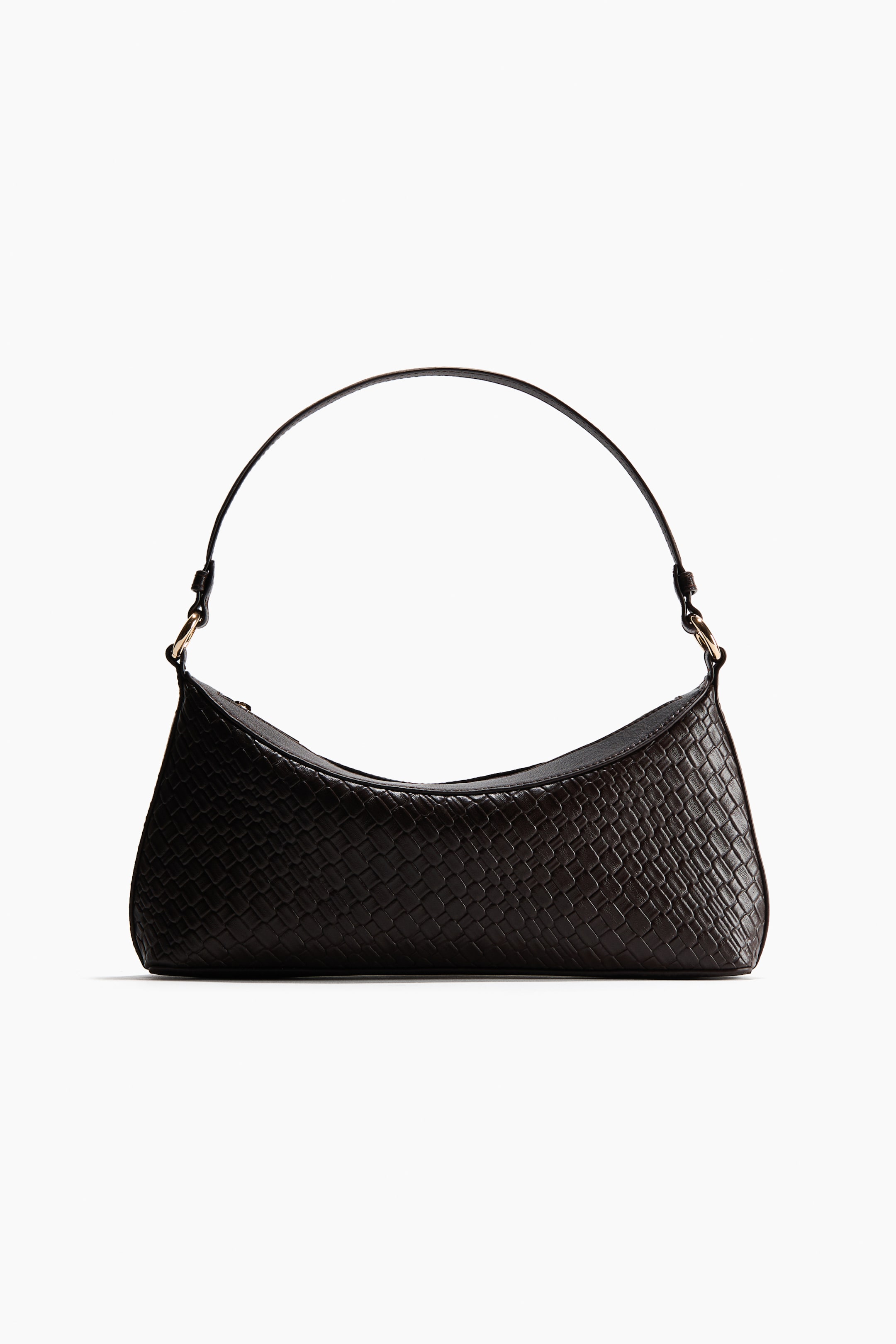
No one will guess this is a high street find.
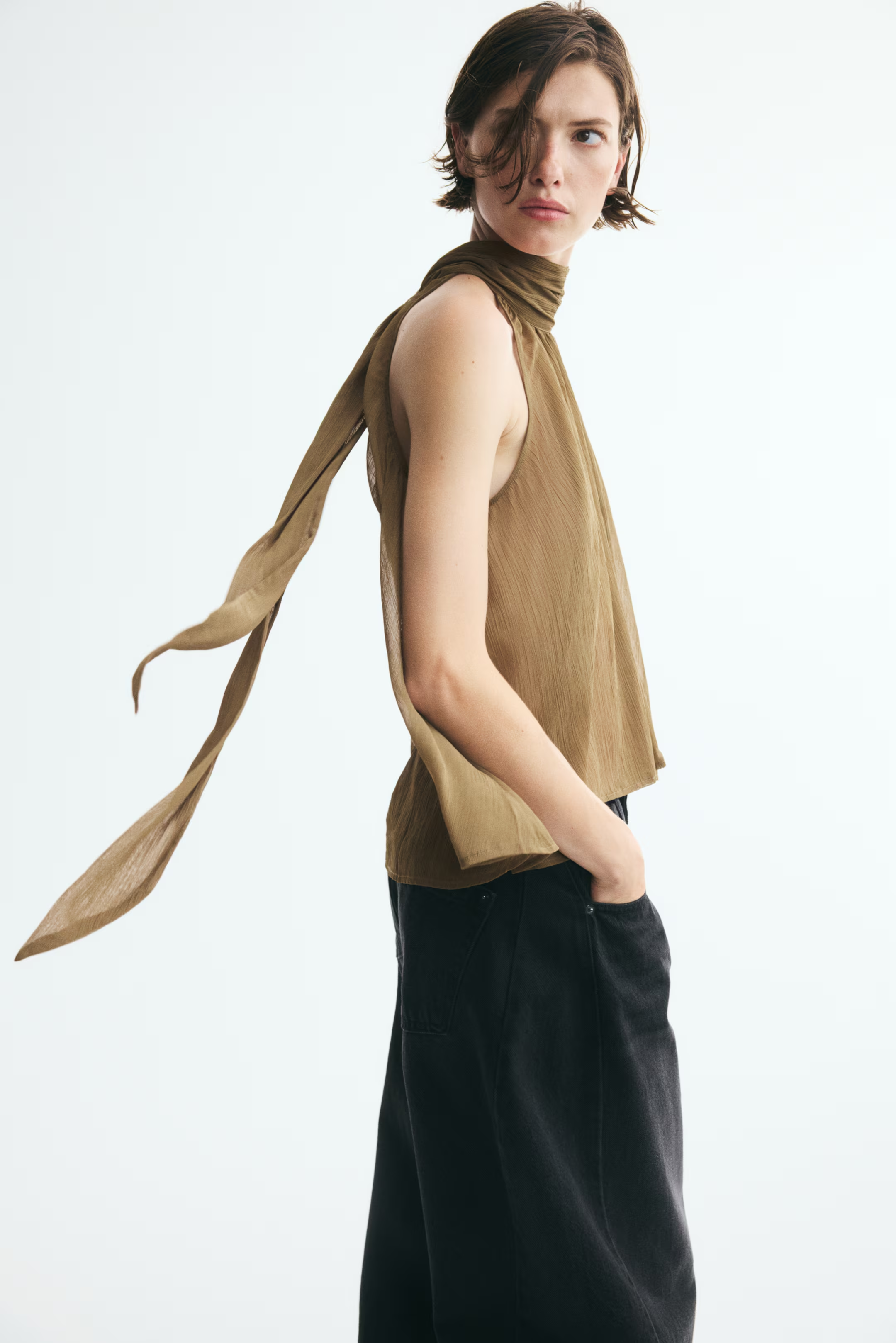
Easy elegance.
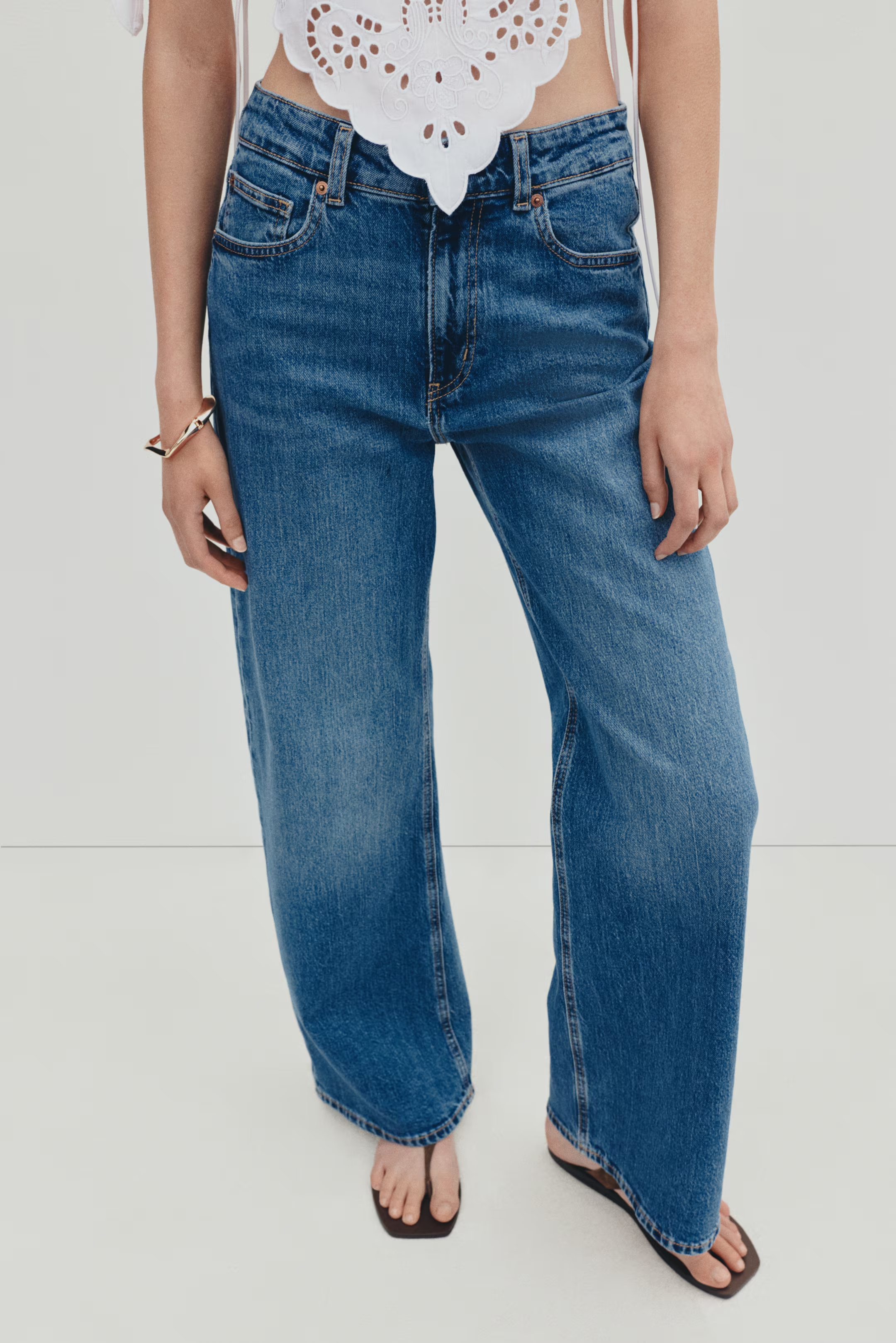
H&M's wide high jeans come editor-approved.
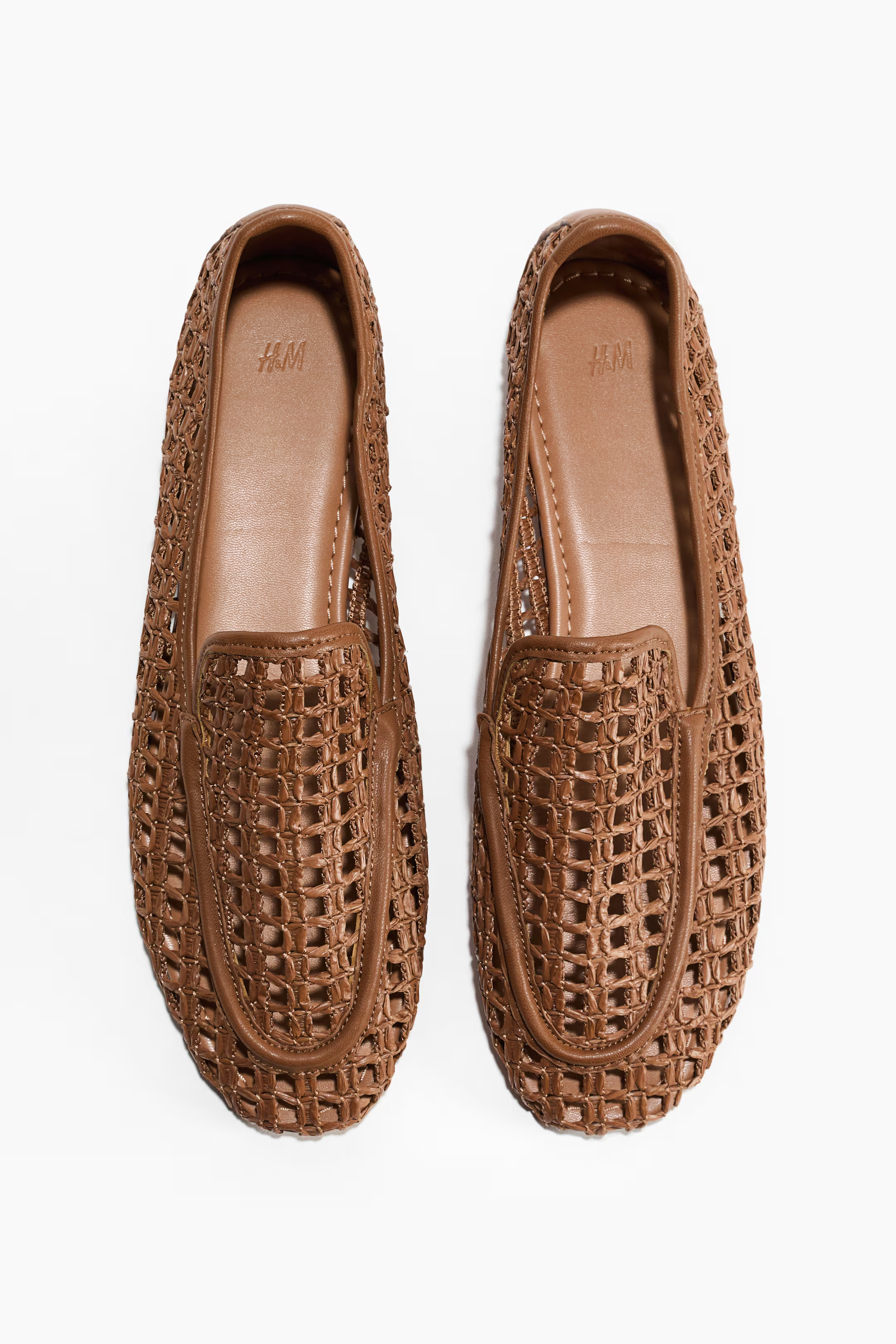
Mesh loafers are an instant outfit elevator.
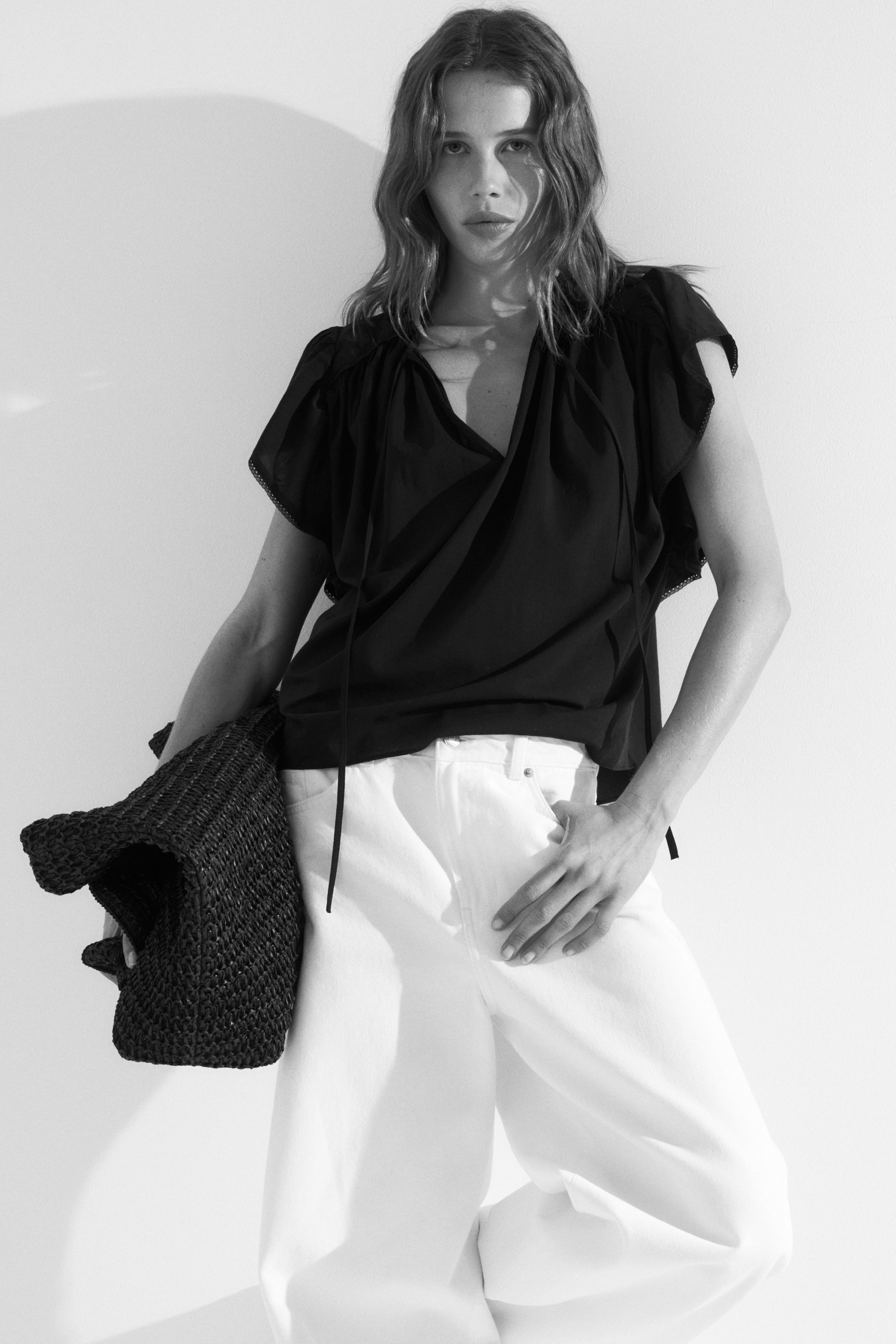
This has such a boho feel to it.
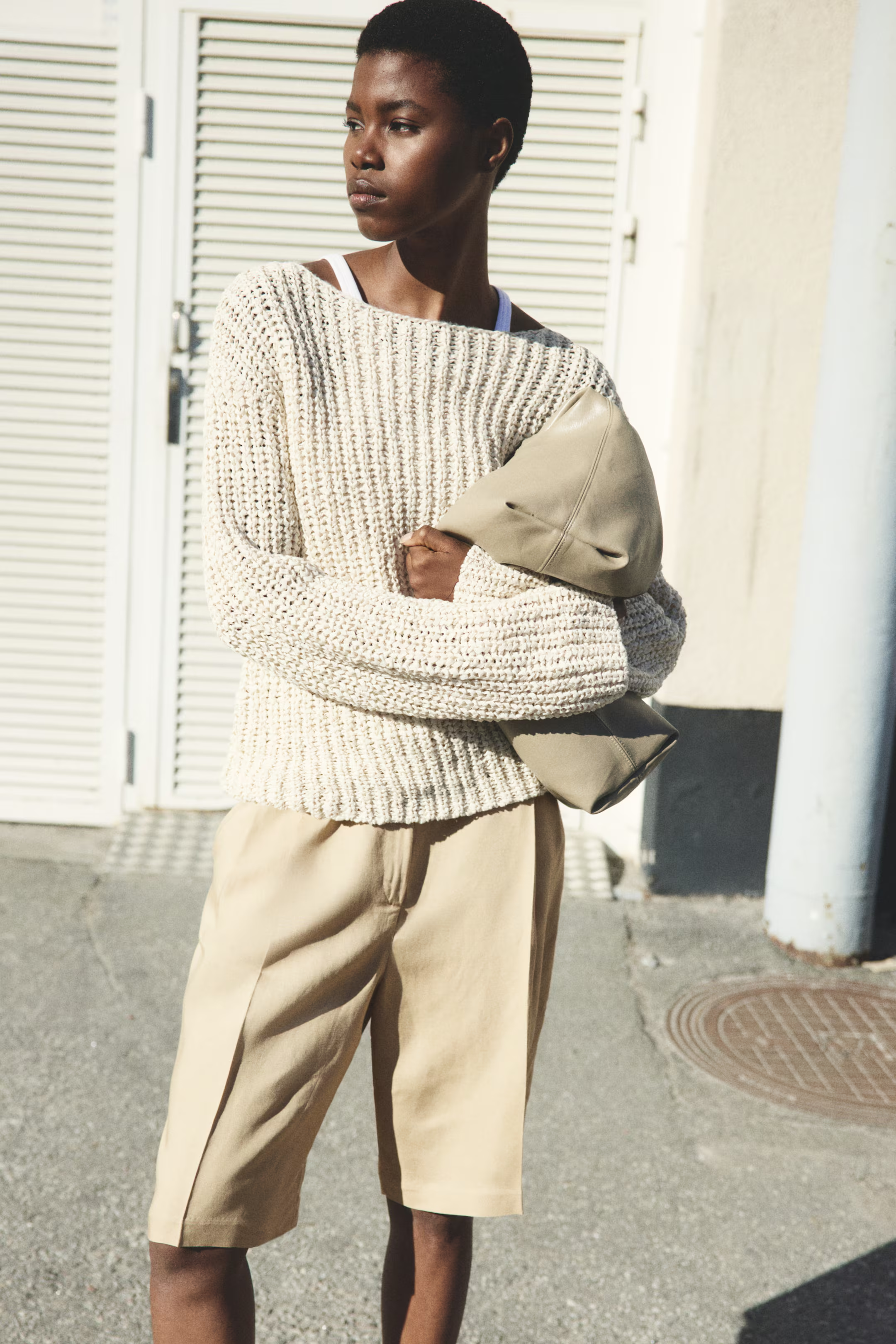
I'd style these with a tank top and suede flip-flops.