The French-Girl Styling Trick You Can Do With an Accessory You Already Own
Our take
The enduring allure of French style—effortless, chic, and seemingly uncomplicated—continues to captivate the fashion world. Recent discourse, exemplified by articles like "Want to Dress Like French Women This Autumn? Your Wardrobe Needs This, This and This," underscores a persistent fascination with the understated elegance associated with Parisian wardrobes. This latest trend, highlighted in the piece "The French-Girl Styling Trick You Can Do With an Accessory You Already Own," focusing on the versatile silk scarf, is not a radical departure but rather a clever distillation of a philosophy: maximizing impact with minimal additions. Eugénie Trochu, a respected voice in the fashion sphere and editor in residence, brings her discerning eye to the topic, reinforcing the notion that true style lies not in chasing fleeting trends but in mastering the art of subtle sophistication. Her work, documented in her Substack newsletter, consistently champions a no-nonsense approach to fashion, emphasizing quality and considered choices over excessive consumption.
The core of the trick—the multifaceted styling possibilities of a silk scarf—speaks to a broader shift in how we approach our wardrobes. It’s a rejection of the ‘more is more’ mentality, instead advocating for a curated collection of versatile pieces that can be reimagined in countless ways. This aligns perfectly with the current consumer desire for sustainability and mindful consumption. Rather than constantly acquiring new items, the focus is on extracting maximum utility and aesthetic appeal from what already exists. The ten styling options outlined—tied on bags, woven into hair, looped as a belt—are all testament to the potential of a single, well-chosen accessory. It echoes the principles of timeless dressing, which we explored in our recent “My Top Picks: Miu Miu Fall/Winter 2026 Shoes & Bags by Miuccia Prada | Luxury Shopping Vlog,” demonstrating how strategic investment in enduring pieces can yield a perpetually stylish wardrobe.
The significance of this trend extends beyond mere styling tips; it reflects a deeper cultural shift. The French-girl aesthetic, while often romanticized, embodies a certain practicality and resourcefulness born from historical constraints and a focus on quality craftsmanship. It’s about looking polished without appearing overly contrived. This approach resonates particularly strongly now, as consumers increasingly value authenticity and reject the performative aspects of fast fashion. The emphasis on repurposing and reimagining existing pieces speaks to a growing awareness of the environmental impact of our consumption habits. Furthermore, the emphasis on a single, high-quality accessory—a silk scarf—reinforces the value of investing in pieces that transcend fleeting trends, aligning with the editorial philosophy behind “We Try Before You Buy: The Best Dresses in Réalisation Right Now,” where rigorous testing informs recommendations for lasting style.
Ultimately, the French-girl styling trick is a masterclass in understated elegance. It's a reminder that achieving a sophisticated look isn't about accumulating a vast wardrobe, but about mastering the art of curation and versatility. It’s about finding joy in the details and celebrating the enduring power of a well-chosen accessory. As we move further into a landscape dominated by digital trends and rapid cycles of consumption, will this renewed appreciation for timeless style and mindful accessorizing become a defining characteristic of the modern, discerning dresser?
Eugénie Trochu is a Who What Wear editor in residence known for her transformative work at Vogue France and her Substack newsletter, where she documents and shares new trends, her no-nonsense approach to fashion and style, plus other musings. She's also working on her upcoming first book that explores fashion as a space of memory, projection, and reinvention.
The neat little silk square tied demurely under the chin can go back in the drawer, somewhere between the pearl necklace and the matching gloves. Whether in Paris, in Biarritz, or on the Île de Ré, the scarf has moved down to the hips, replaced a shoulder strap, twisted itself around a handbag, and covered the hair, Monica Vitti style or like a pirate on holiday. Here are 10 ways to let it do exactly as it pleases.
1. As a Belt, Never Through the Loops

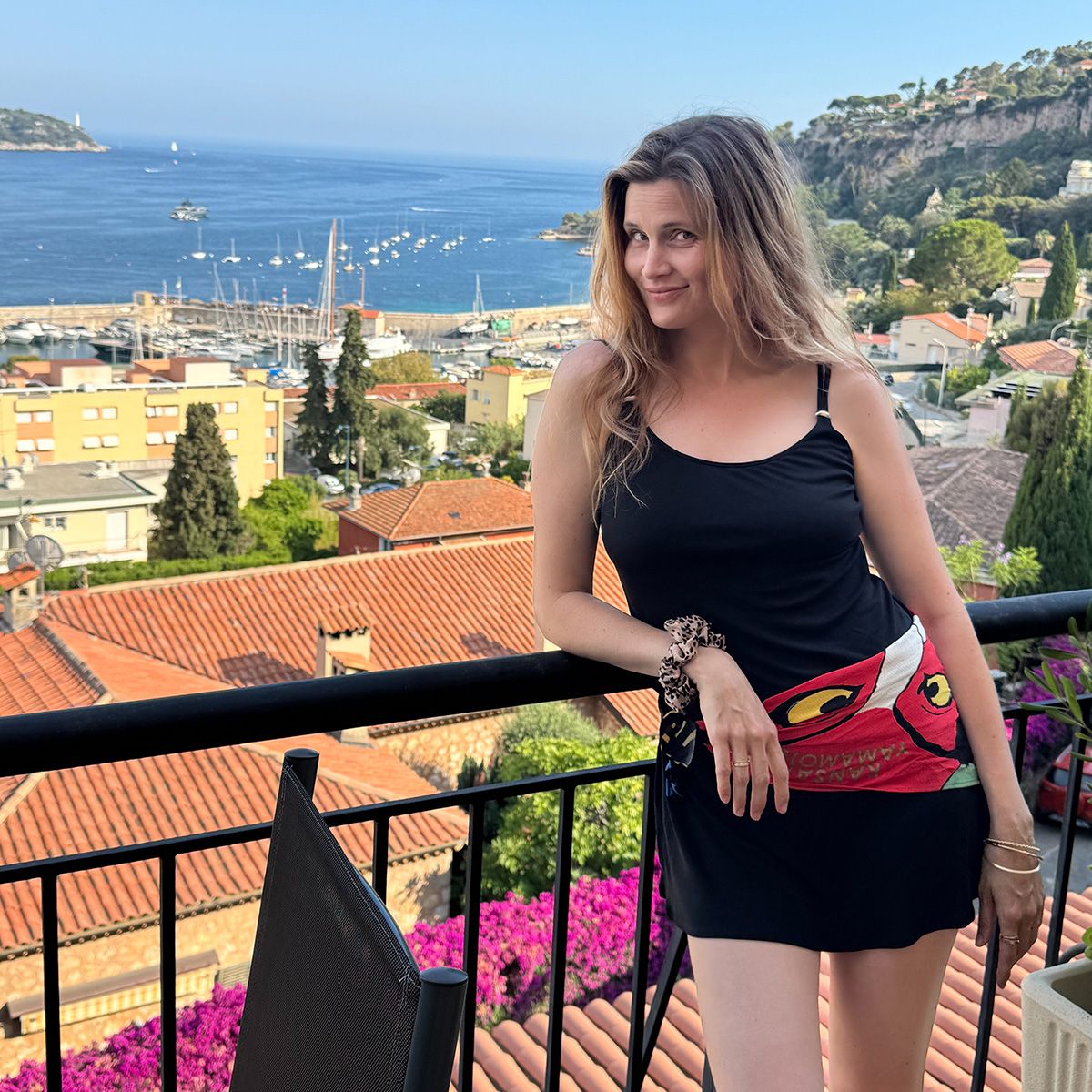
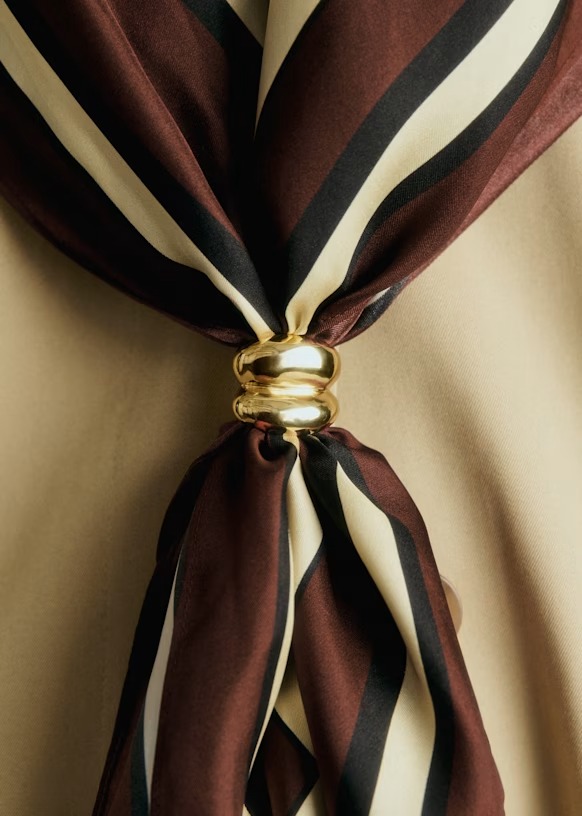
Mine is a Louis Vuitton scarf from the cruise collection shown in Japan, printed in collaboration with Kansai Yamamoto. Red, yellow, blue, green—far too much happening on less than a square metre of silk. I tie it very low on my hips, over a slightly oversize white shirt or a black spaghetti-strap dress. It never goes through the belt loops. The ends hang to one side, the knot slips, and it rarely finishes the day where I placed it that morning.
2. Pirate, No Half Measures
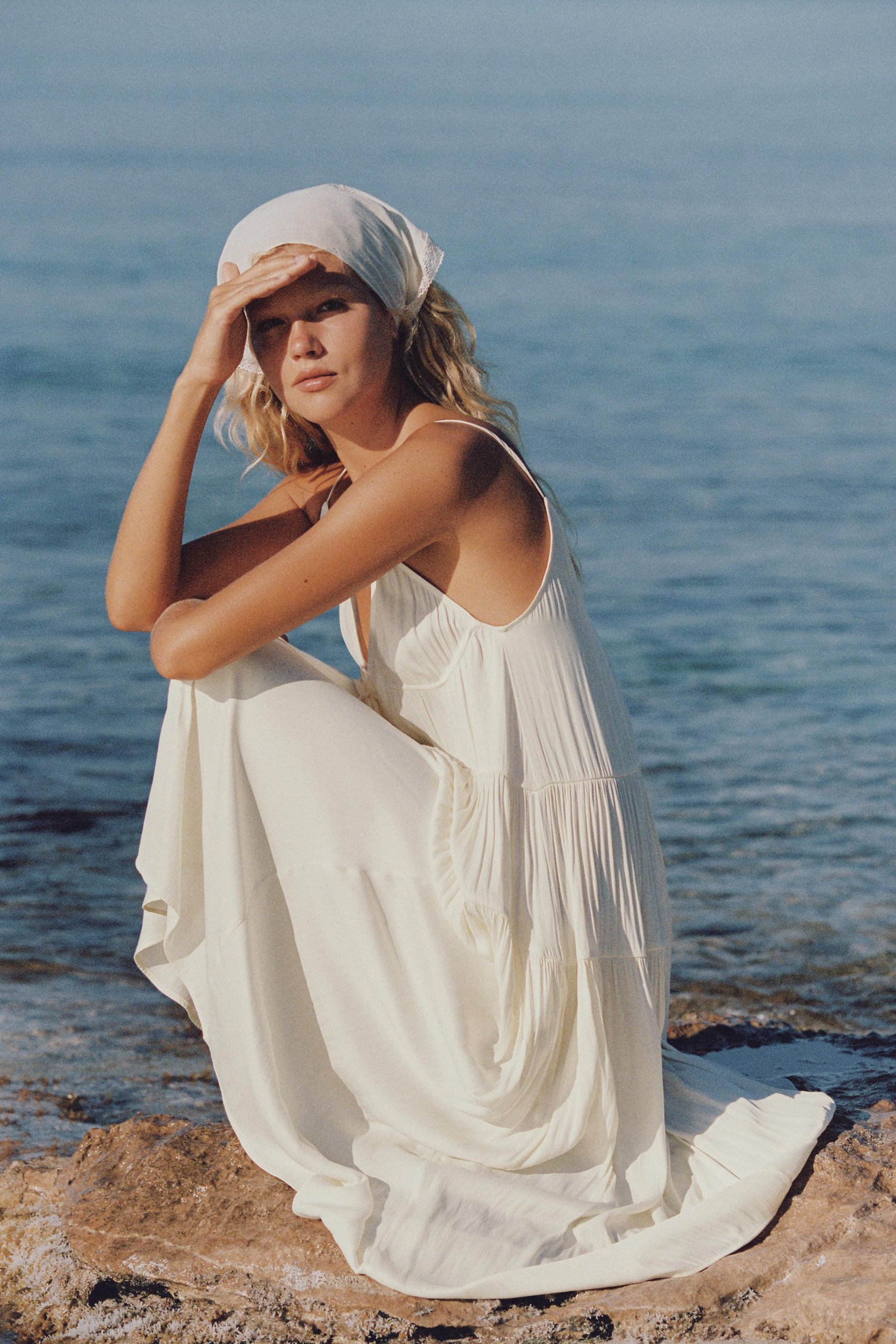
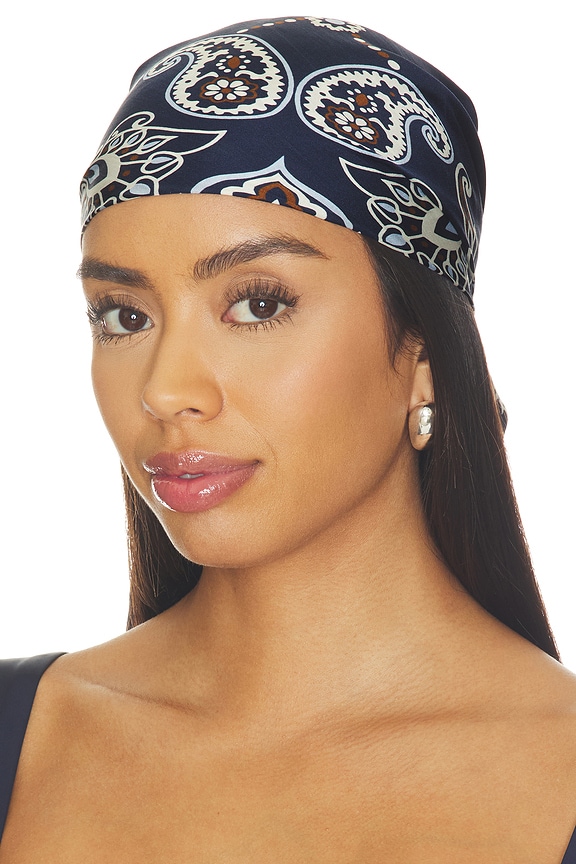
Folded into a triangle, worn low on the forehead, and tied at the back of the head, with a few strands of hair escaping around the ears. Black swimsuit, striped shirt, slim flip-flops.
3. Instead of a Scrunchie
Wrapped twice around a low ponytail with the ends left loose.
4. Over the Head, Monica Vitti Style
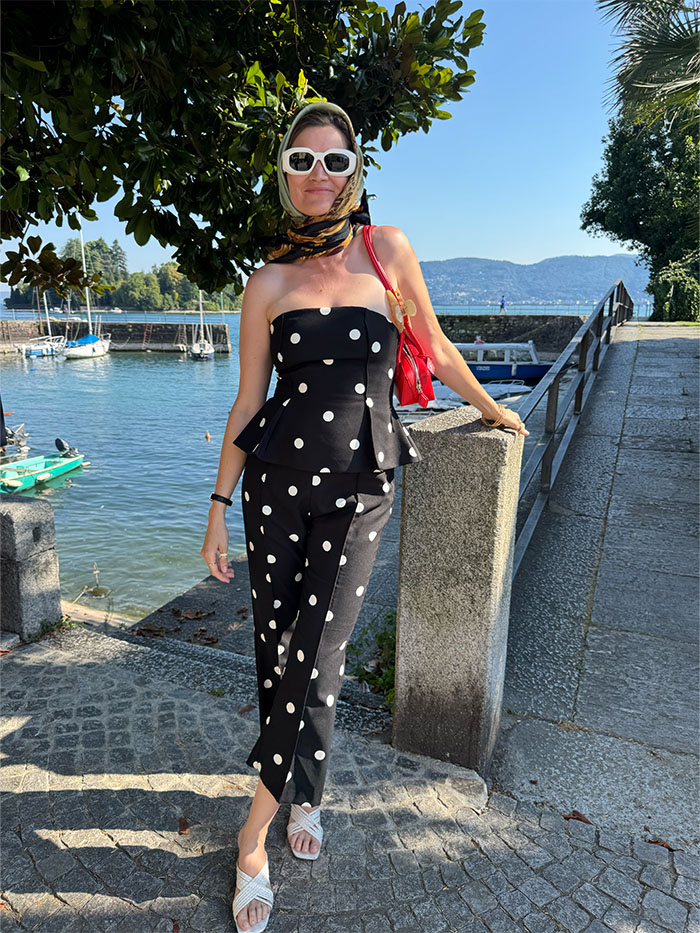
For a wedding in Italy, I packed a Dolce & Gabbana scarf covered in Venetian motifs, openly kitsch and therefore perfect. When we came out of the church, the sun was so strong that I tied it under my chin, having failed to think of a hat. In the photographs, the scarf sits slightly off-centre, its two ends falling over my collarbone, and for a few minutes everything looks rather L'Avventura. I had, however, already lost an earring and spilt red wine on my jumpsuit before dessert.
5. Around the Wrist
Wrapped three or four times with a small knot tucked between a watch and a few gold bracelets, the ends kept short.
6. As an Impromptu Skirt
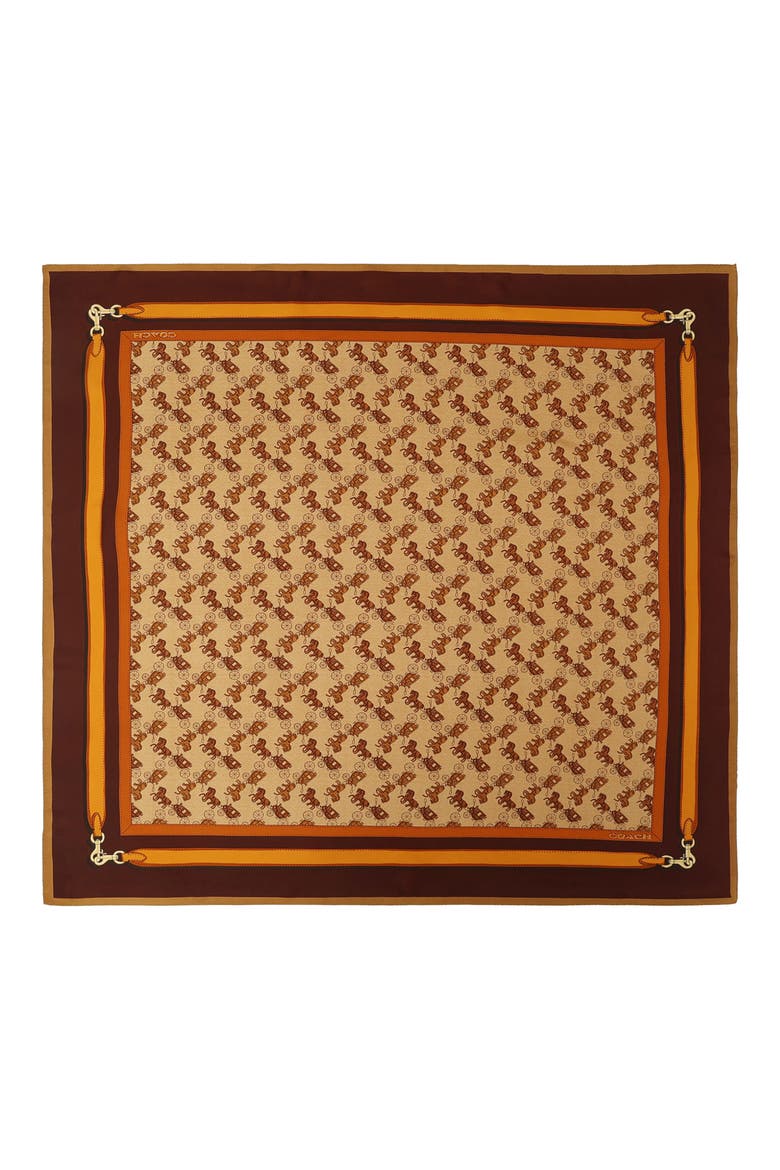
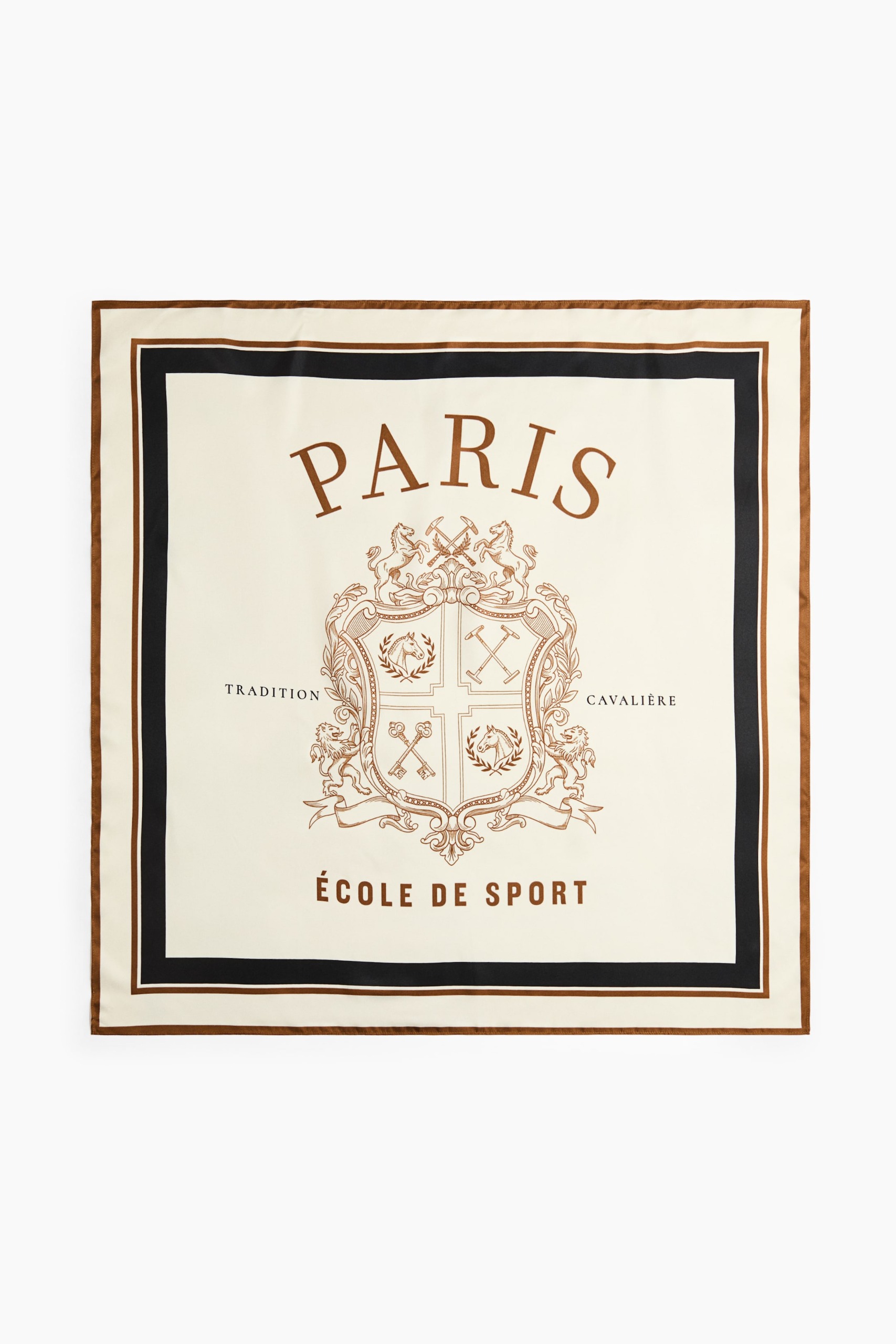
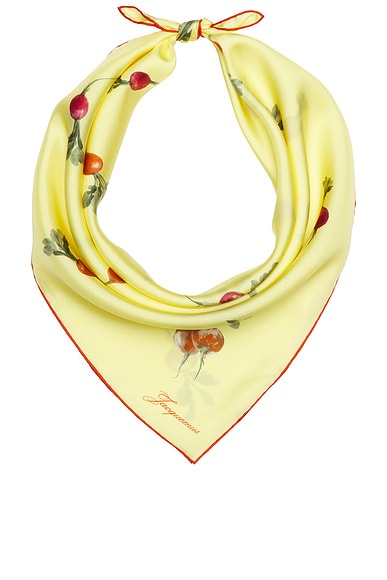
The word pareo rather spoils the effect. I prefer a large silk square tied firmly at the hip, printed with equestrian motifs or slightly faded flowers. Worn over a one-piece swimsuit, it gets you to lunch without having to get dressed again.
7. As a Bow Tie
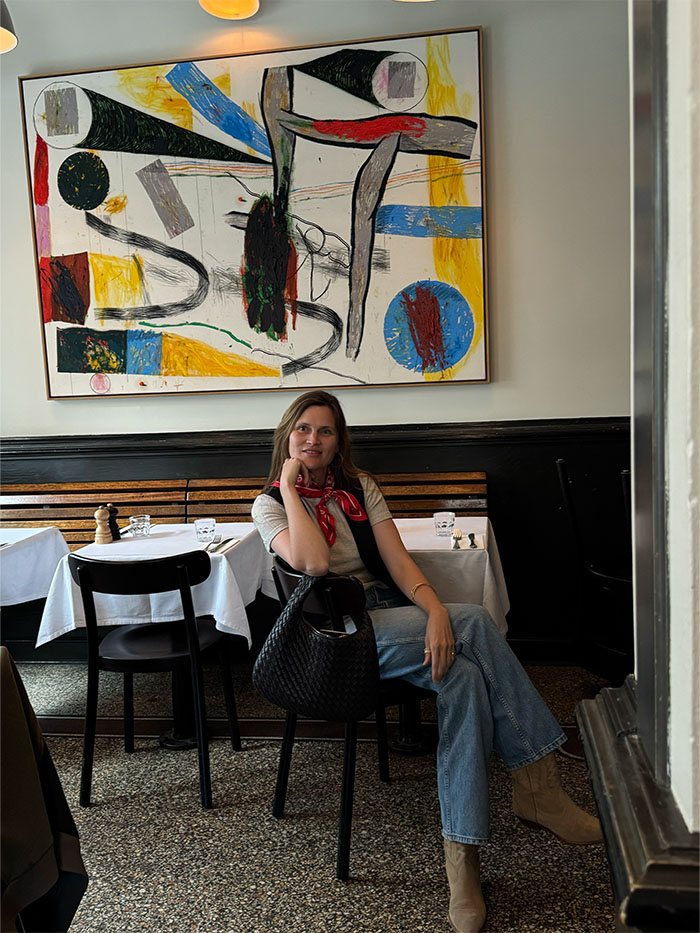
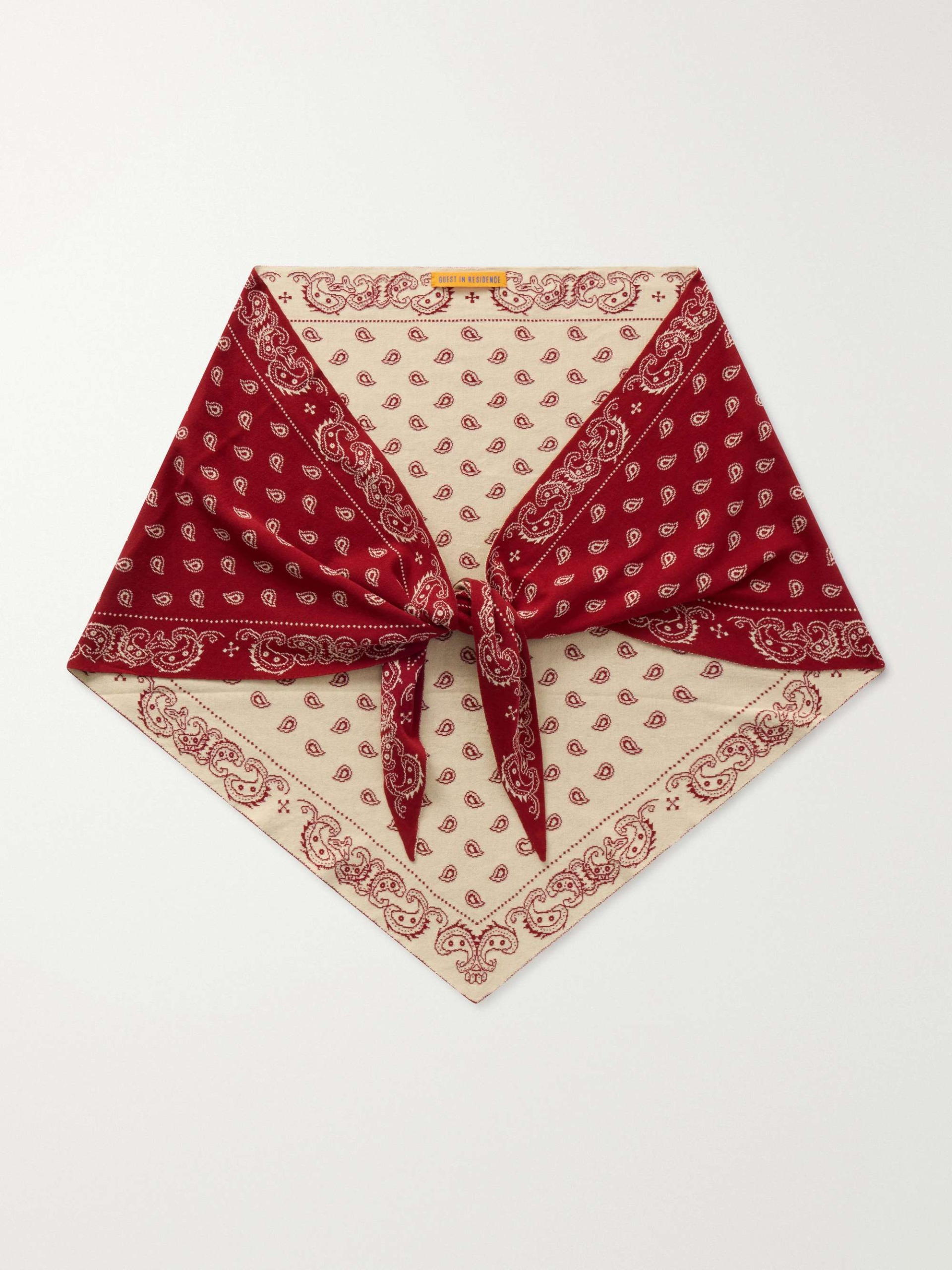
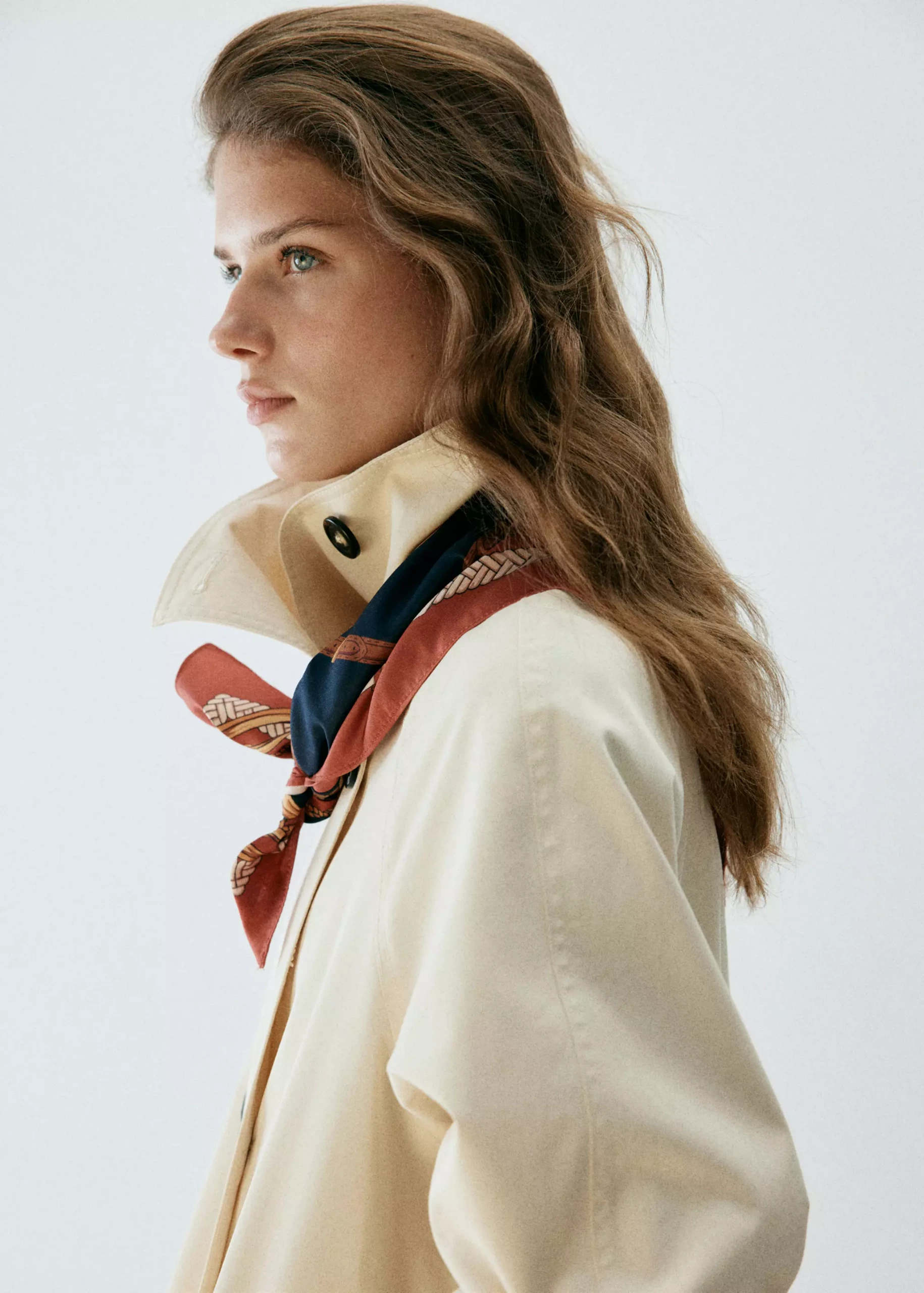
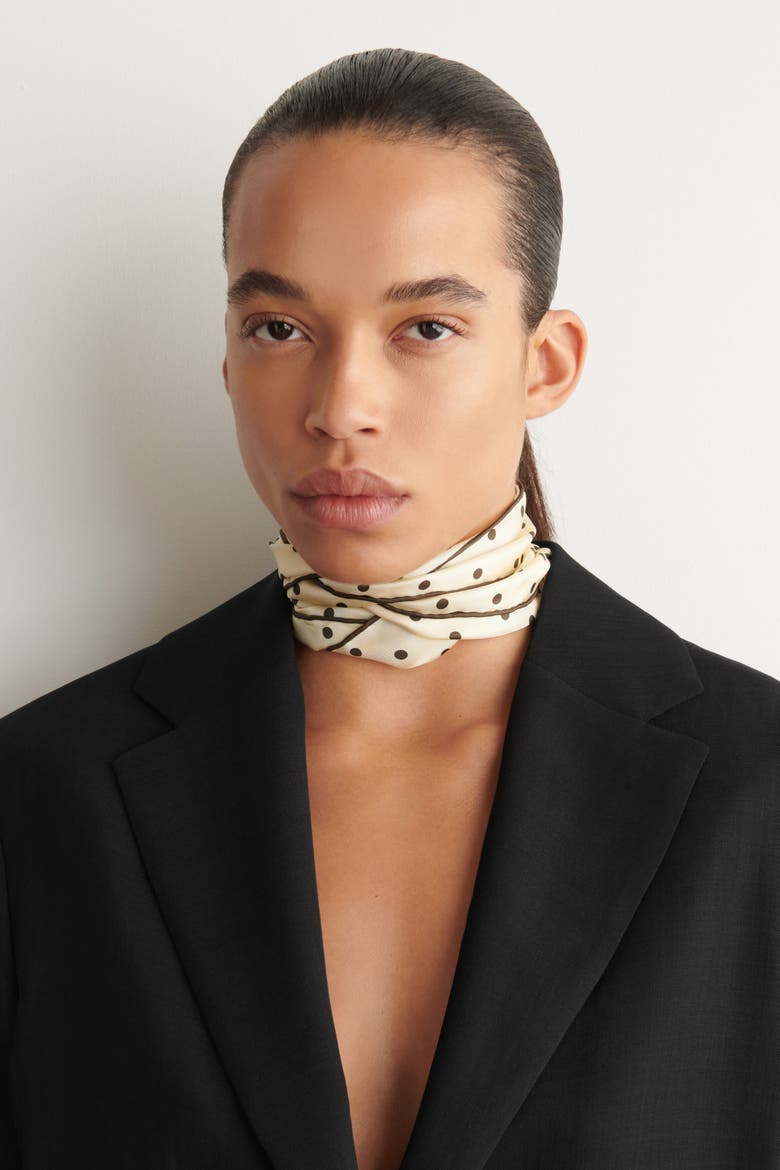
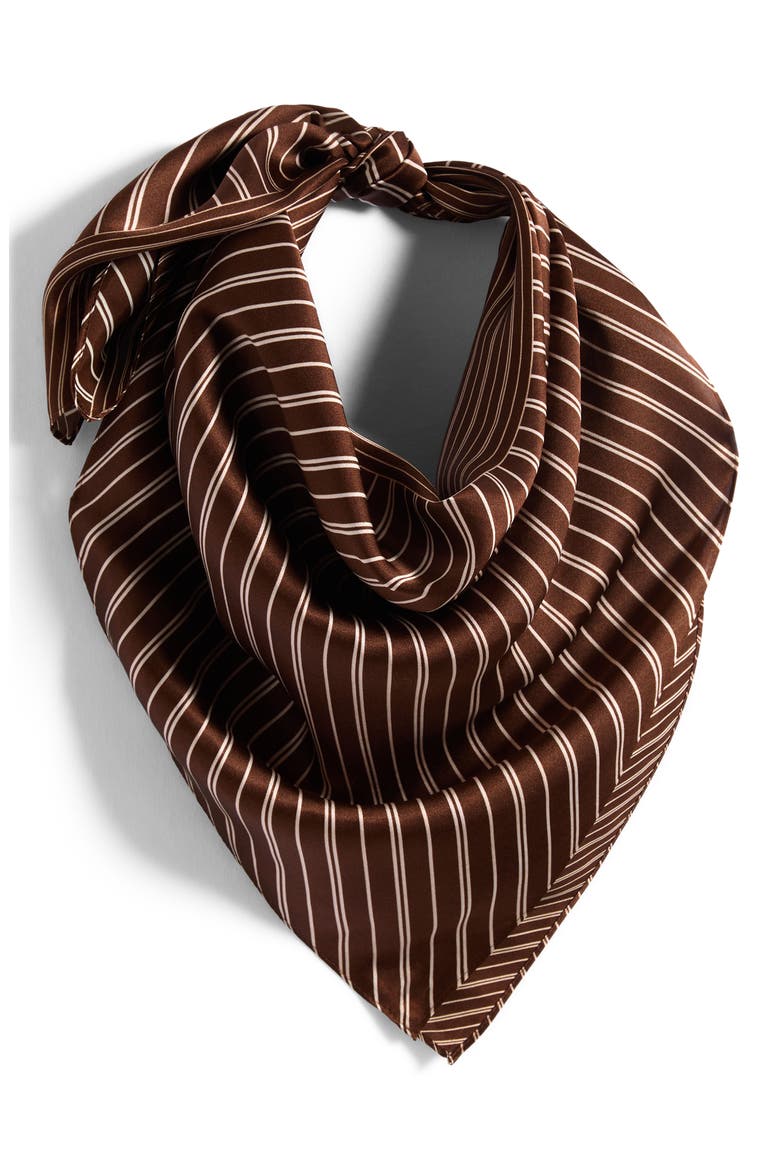
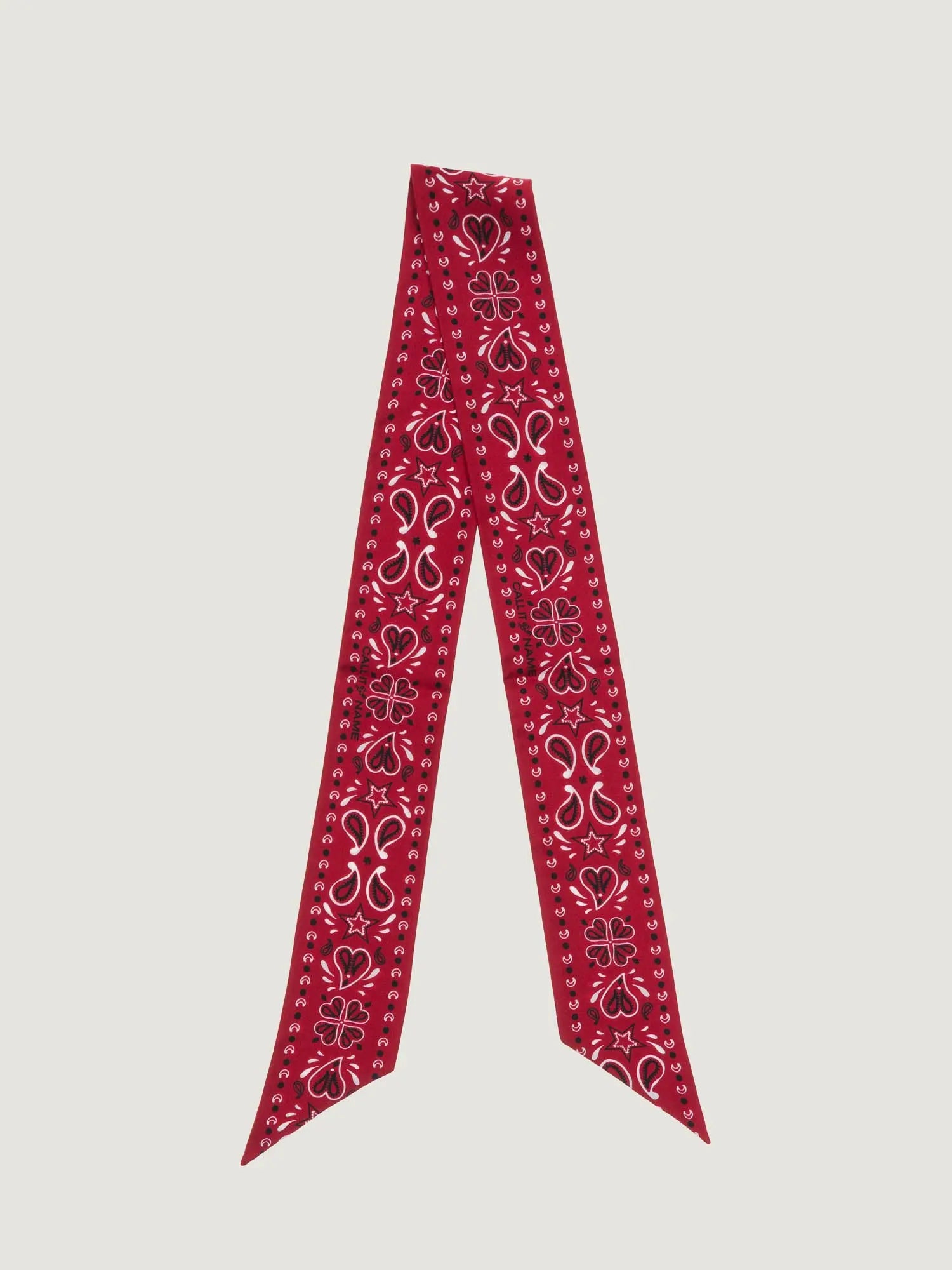
Roll a bandana tightly and tie it at the front of the neck with both ends almost the same length. Wear it with a partly unbuttoned shirt or a jacket against bare skin. Parisian waiter above the neck, spaghetti Western below.
8. On a Bag That Takes Itself Too Seriously
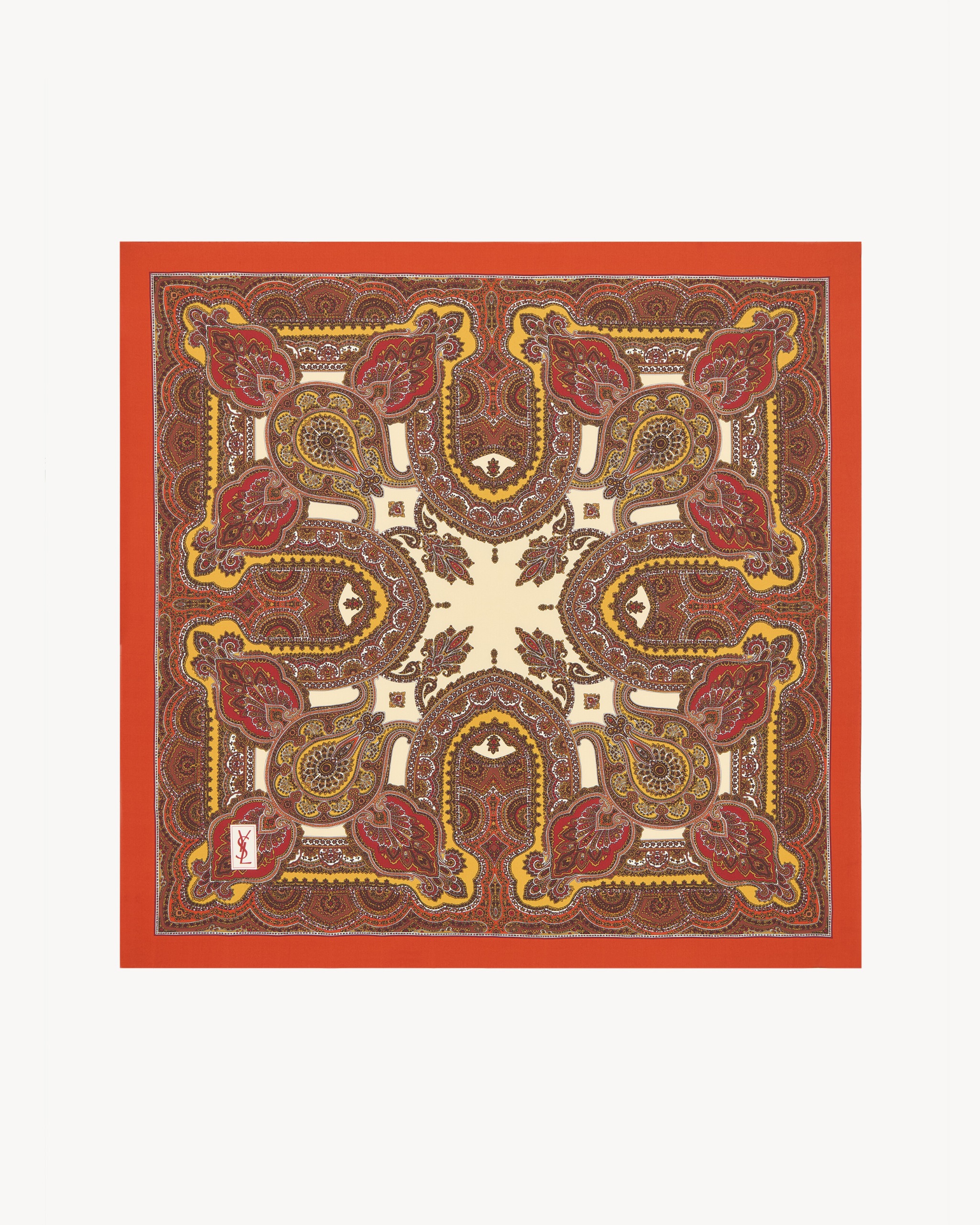
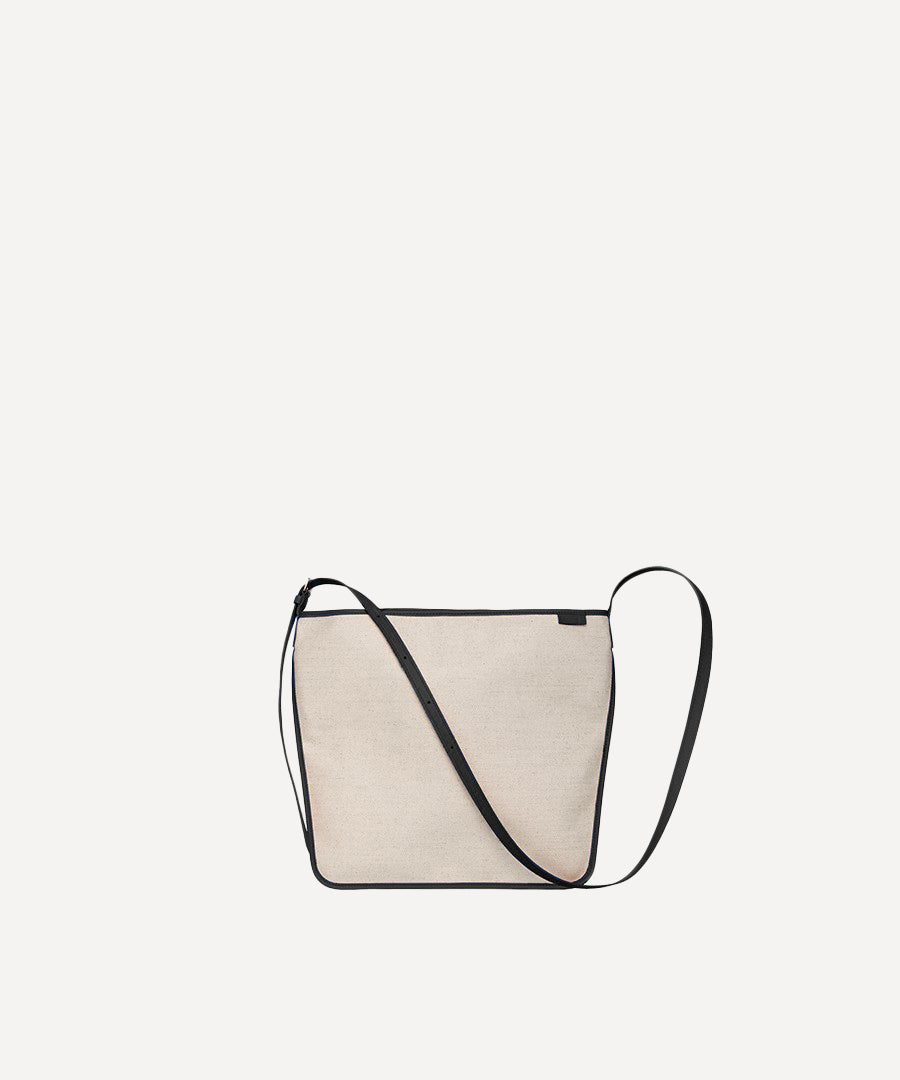
I like scarves that quite clearly have no business being there—an orange square wrapped around the handle of a very classic handbag, flowers on an ecru canvas tote, a red bandana tied to an old black bag that is already a little battered. You can cover the entire handle with almost obsessive precision or simply let the scarf hang from one of the attachments. Sometimes, I add several. None of them really goes with the others, which keeps the whole thing from looking like a shop-window display.
9. As a Shoulder Strap
Wrap it around the strap and knot it over the shoulder. The makeshift nature of it should show.
10. All at Once
One over the head, another around the hips, a bandana at the wrist, a silk square on the bag. Three at once—why not? As long as the prints begin to openly fight with one another.
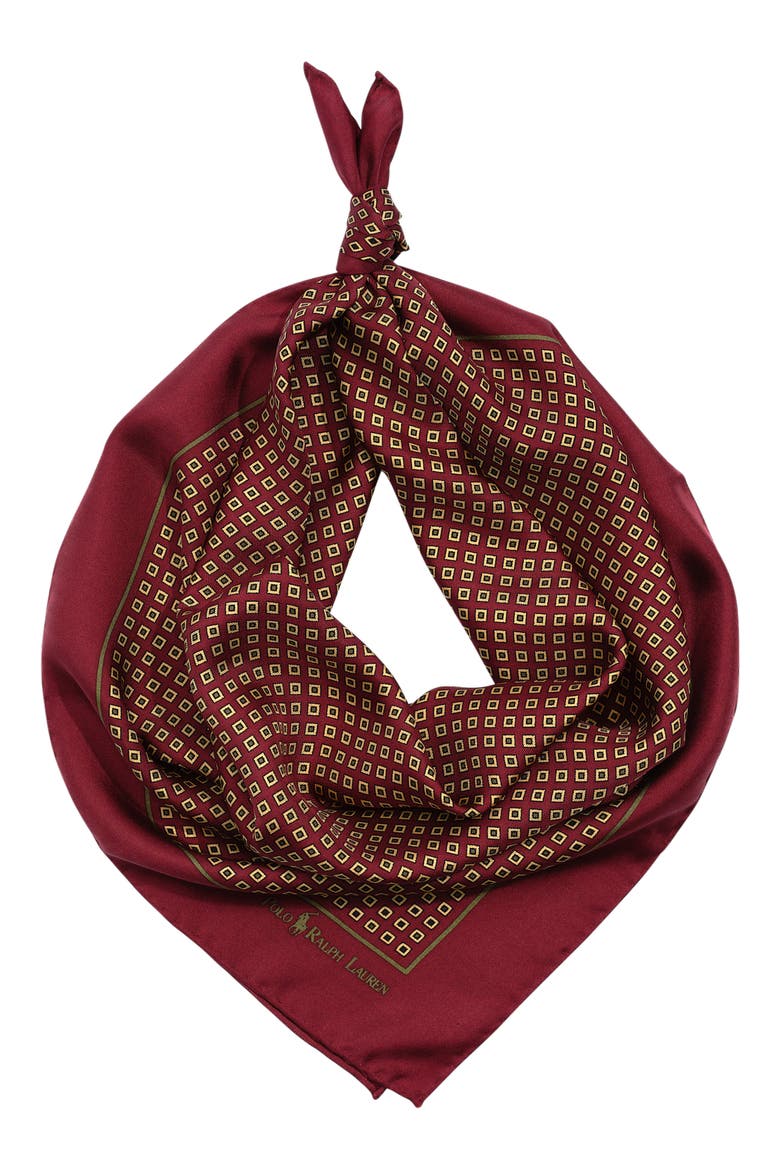
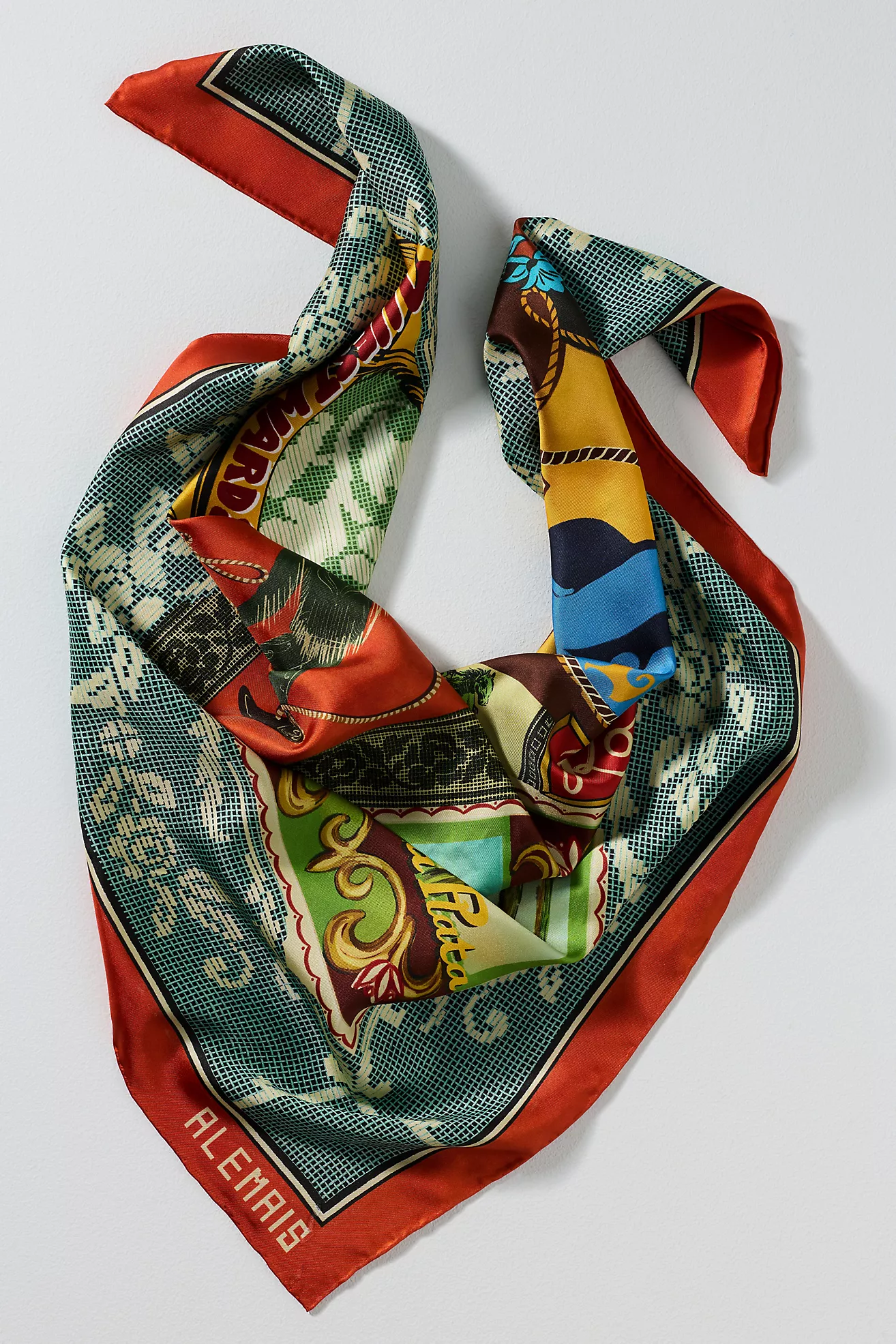
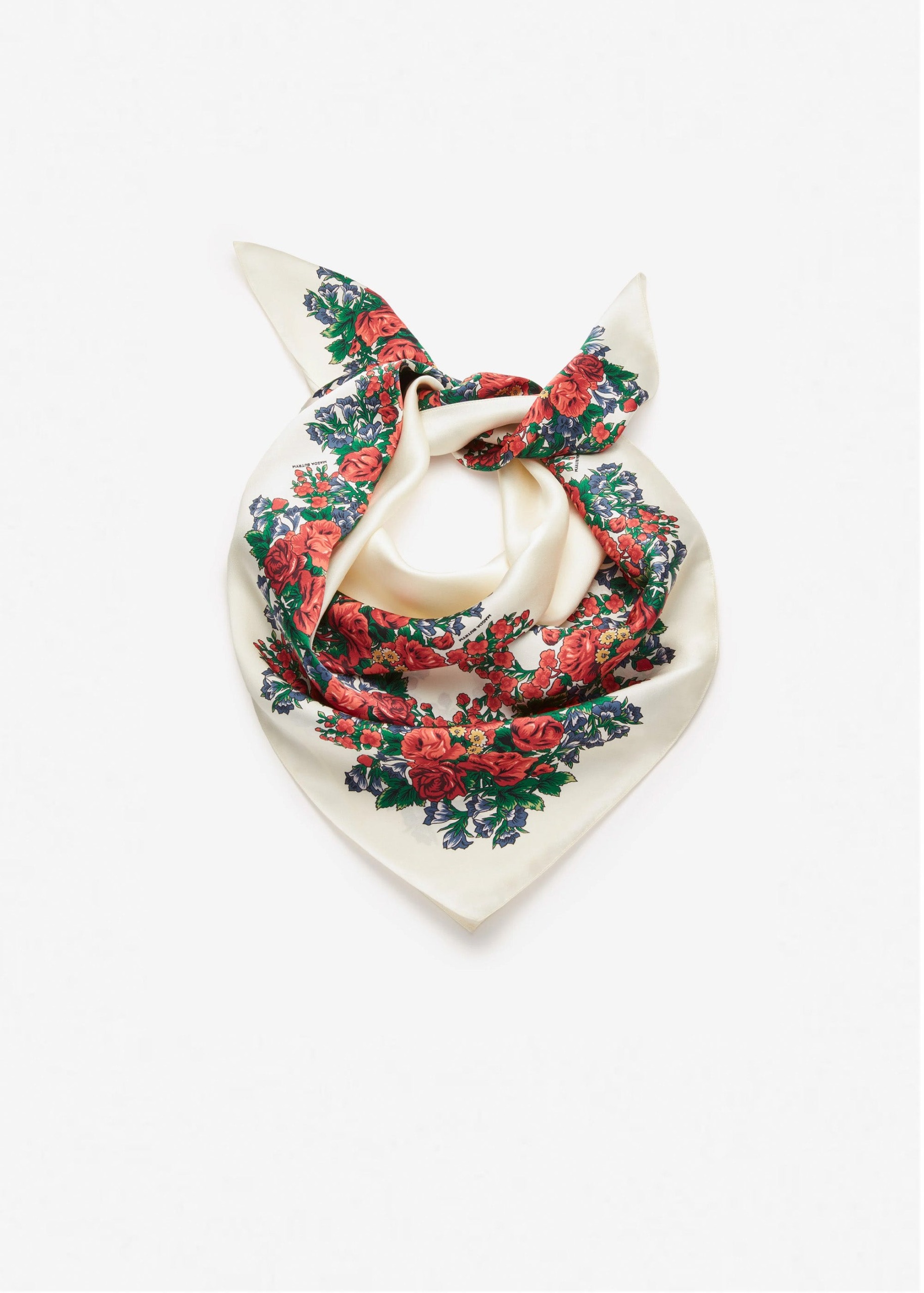
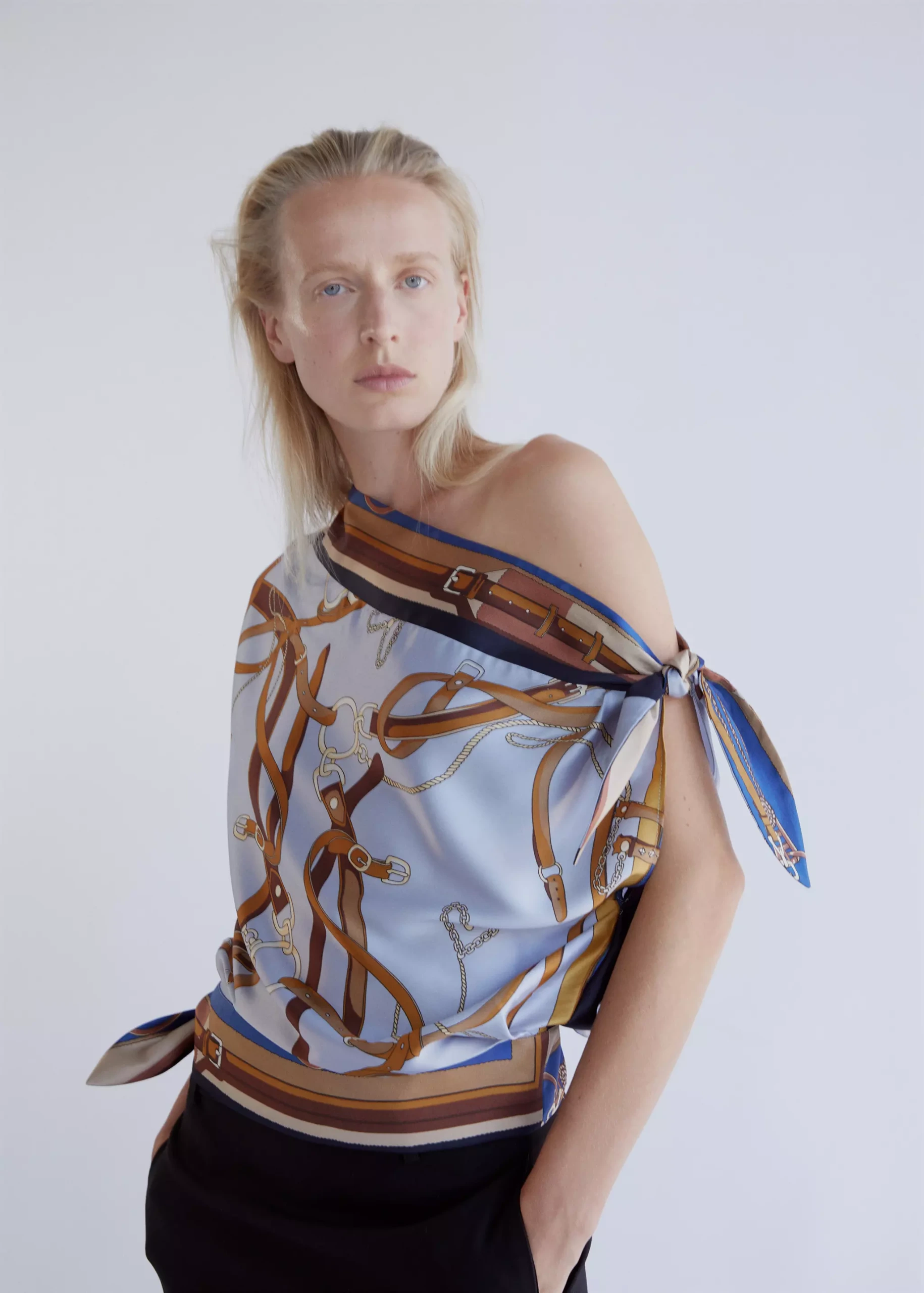
Shop French Girl–Approved Scarves
Read on the original site
Open the publisher's page for the full experience