If You Love Kendall and Elsa's The Row Flats, Zara's $40 Version Is Almost Impossible to Tell Apart
Our take
The democratization of luxury is a familiar narrative in fashion, yet the speed and precision with which it’s unfolding now feels particularly noteworthy. The recent discovery that Zara has produced a remarkably convincing dupe of The Row’s iconic ballet flats – at a fraction of the price – is more than just a clever retail strategy; it’s a testament to the evolving relationship between high-end design and mass-market accessibility. The Row, helmed by Mary-Kate and Ashley Olsen, has cultivated a reputation for understated elegance and exceptional quality, and their flats, in particular, have become a symbol of effortless, quiet luxury. This trend aligns with our recent exploration of [Preppy Is Back, But Not How You Know It—How Fashion’s Chicest Are Wearing It This Summer], where we observed a shift towards refined, timeless pieces rather than fleeting trends – a sensibility The Row embodies perfectly. It’s also reflective of a broader consumer desire for attainable versions of aspirational aesthetics, something we’ve also noted in the beauty space with [Save Them Down—These Are the Summer Lip Combos Beauty Editors Are Wearing on Repeat], where curated pairings offer accessible luxury.
The significance of Zara’s offering lies not just in its price point, but in its demonstrable ability to capture the *essence* of The Row’s design language. It’s not merely about replicating a silhouette; it’s about understanding the subtle details – the quality of the leather, the precise shape of the toe, the understated construction – that contribute to the overall impression of quiet luxury. This ability to deconstruct and reconstruct a high-end aesthetic at scale speaks to Zara’s increasingly sophisticated design team and their keen understanding of current trends. The success of this particular piece underscores a broader point: consumers are becoming more discerning, less swayed by overt branding, and more focused on the intrinsic qualities of a garment. They’re seeking the *look* of luxury without necessarily the associated price tag, a desire that brands like Zara are expertly catering to. This development also highlights a shift away from the overt displays of wealth that characterized earlier eras of fashion, favoring a more understated and considered approach – a philosophy that resonates with The Row’s own ethos.
Furthermore, this situation raises interesting questions about the future of luxury branding. While The Row’s reputation for exclusivity and exceptional craftsmanship remains intact, the proliferation of similar styles at lower price points could potentially impact its perceived value. However, it’s equally likely that the increased visibility of the style, regardless of its origin, will ultimately benefit The Row by solidifying its position as the originator of a now-ubiquitous aesthetic. The challenge for luxury brands lies in consistently innovating and delivering unique value propositions that justify their premium pricing. Maintaining a strong brand identity, offering unparalleled quality, and cultivating a sense of community are all crucial strategies for navigating this evolving landscape. The Row's ability to continue shaping the conversation around timeless design and understated elegance will ultimately determine its long-term success – a conversation we've previously explored through the atmospheric curation of [MONCLER Store Music | Alpine Luxury Deep House & Lounge], demonstrating the importance of immersive brand experiences.
Ultimately, the Zara ballet flat phenomenon is a fascinating microcosm of the broader changes occurring within the fashion industry. It signifies a growing consumer demand for accessible luxury, a heightened appreciation for design details, and a shift towards more understated aesthetics. It’s a reminder that while exclusivity and craftsmanship remain valuable assets, brands must adapt to a world where style is increasingly democratized. The question now is: how will other luxury brands respond to this accelerating trend, and will they be able to maintain their distinctiveness in an increasingly crowded market where inspiration – and imitation – flows freely?
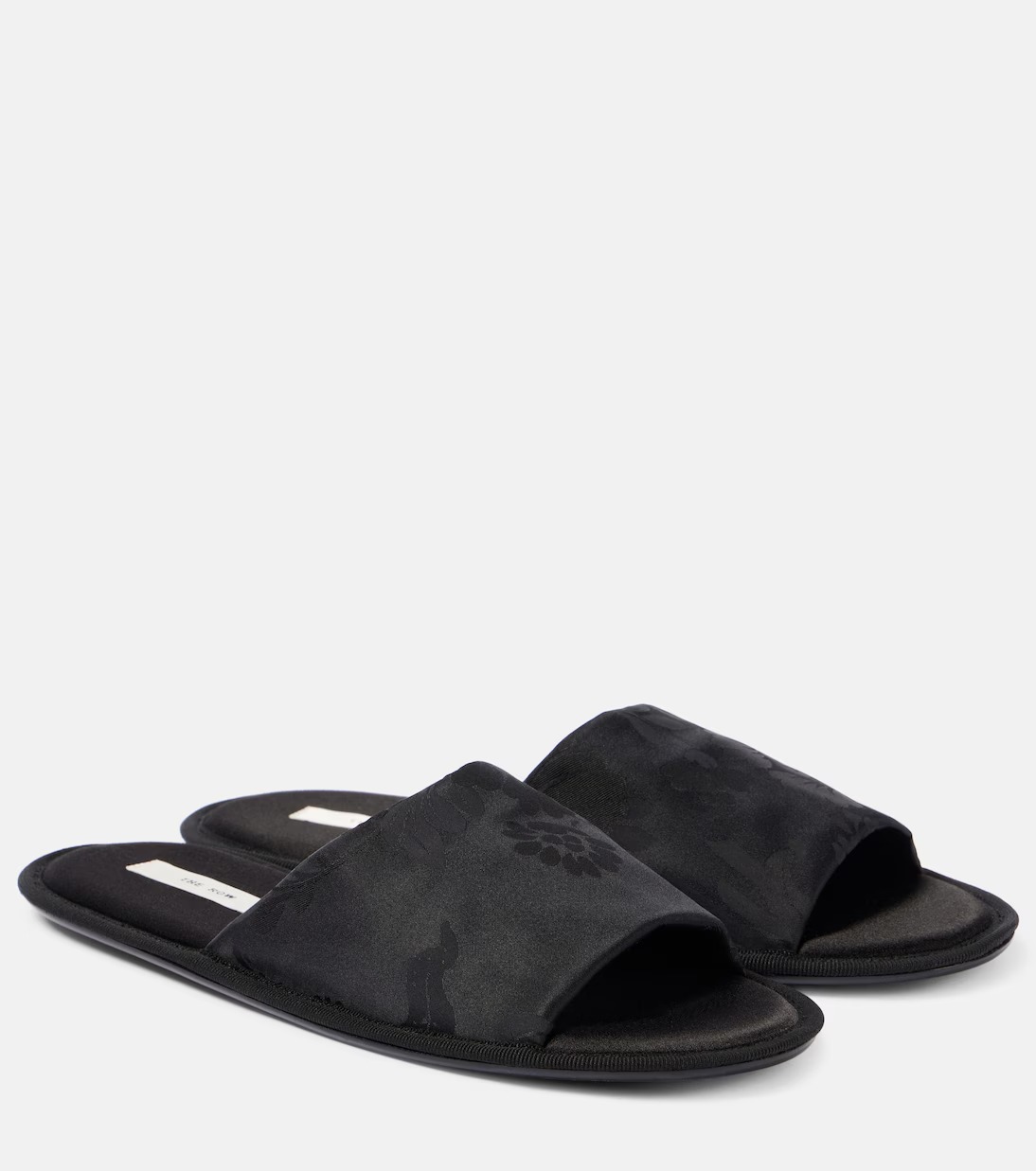
If you're familiar with Mary-Kate and Ashley Olsen, you already know that comfort is their top priority. Their signature look of loose, baggy outfits and flat footwear has seamlessly carried over to their luxury label, The Row. The brand is celebrated for its incredibly soft knitwear, cozy loafers, and, most notably, the Frances slippers.
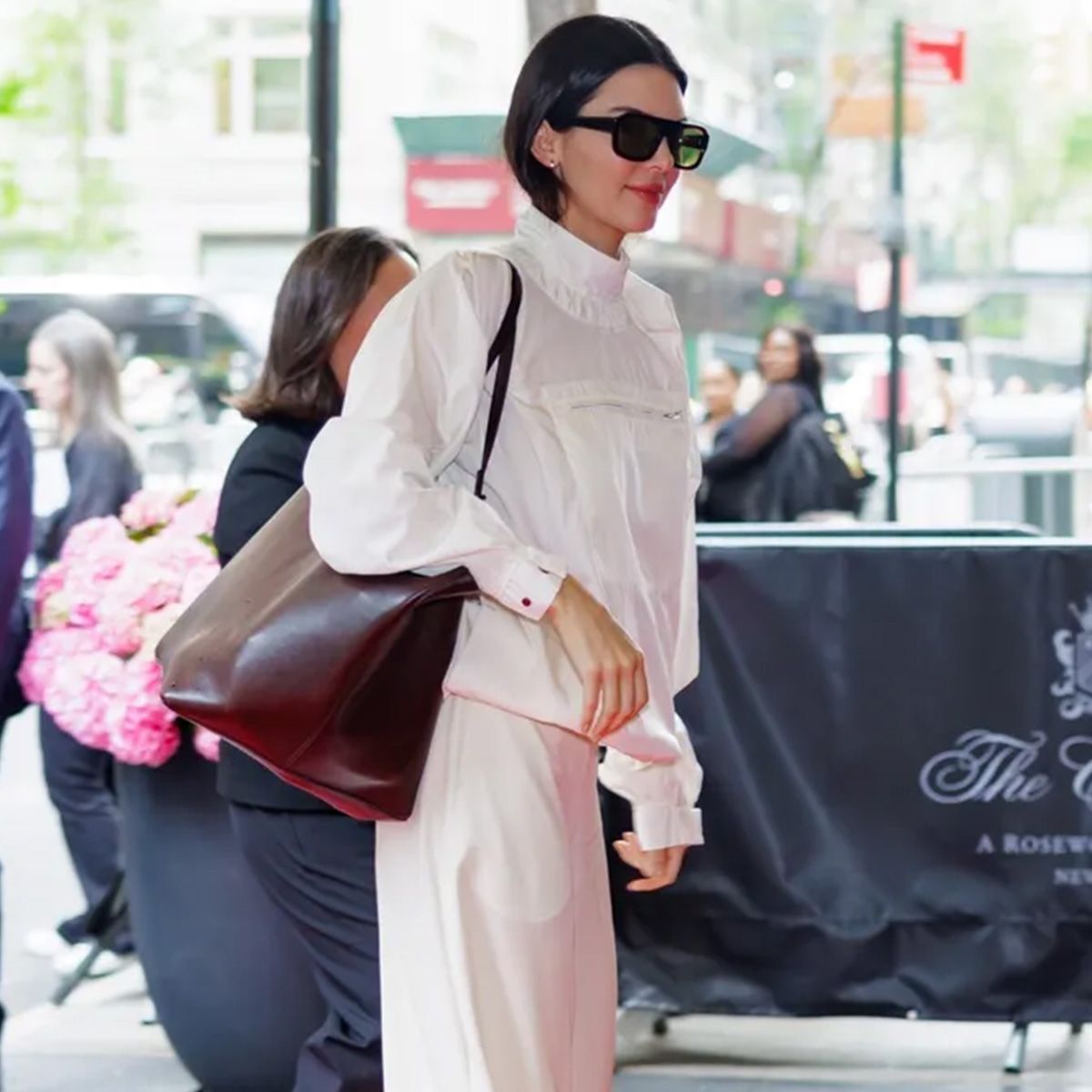
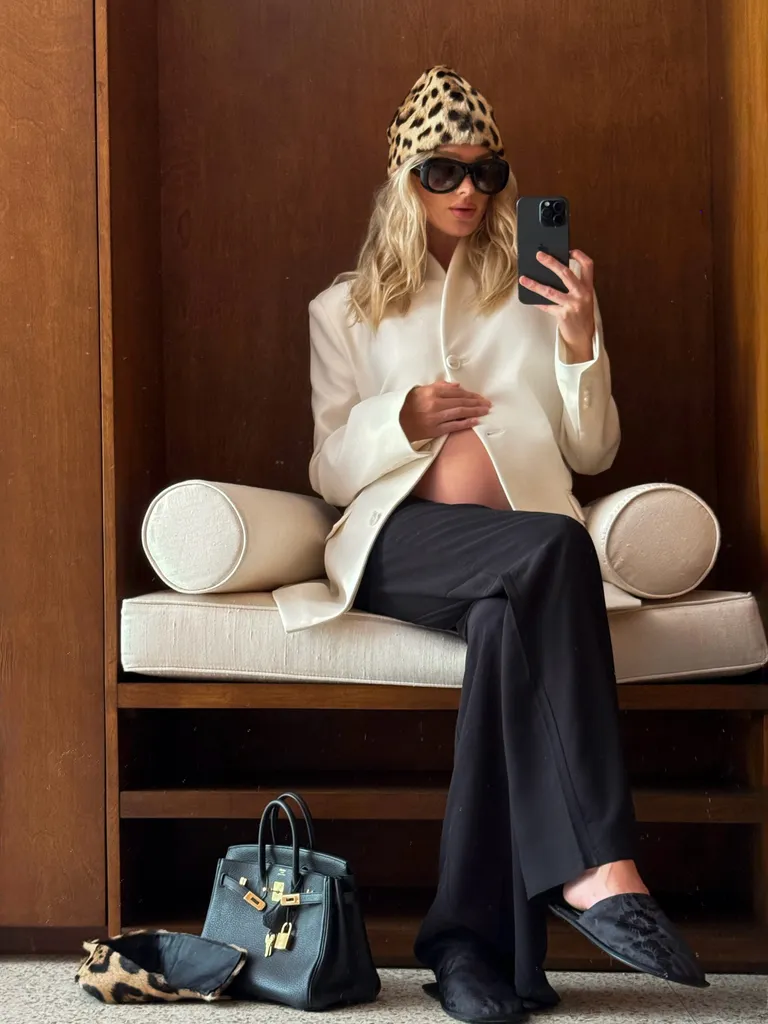
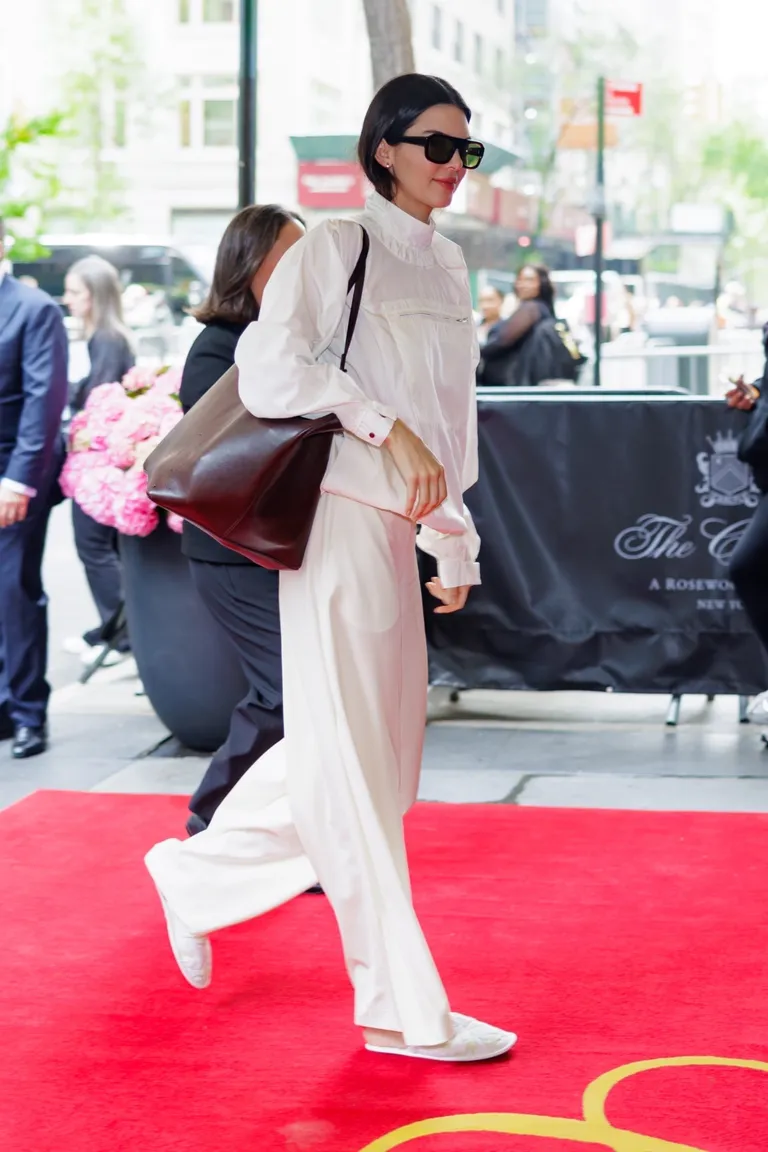
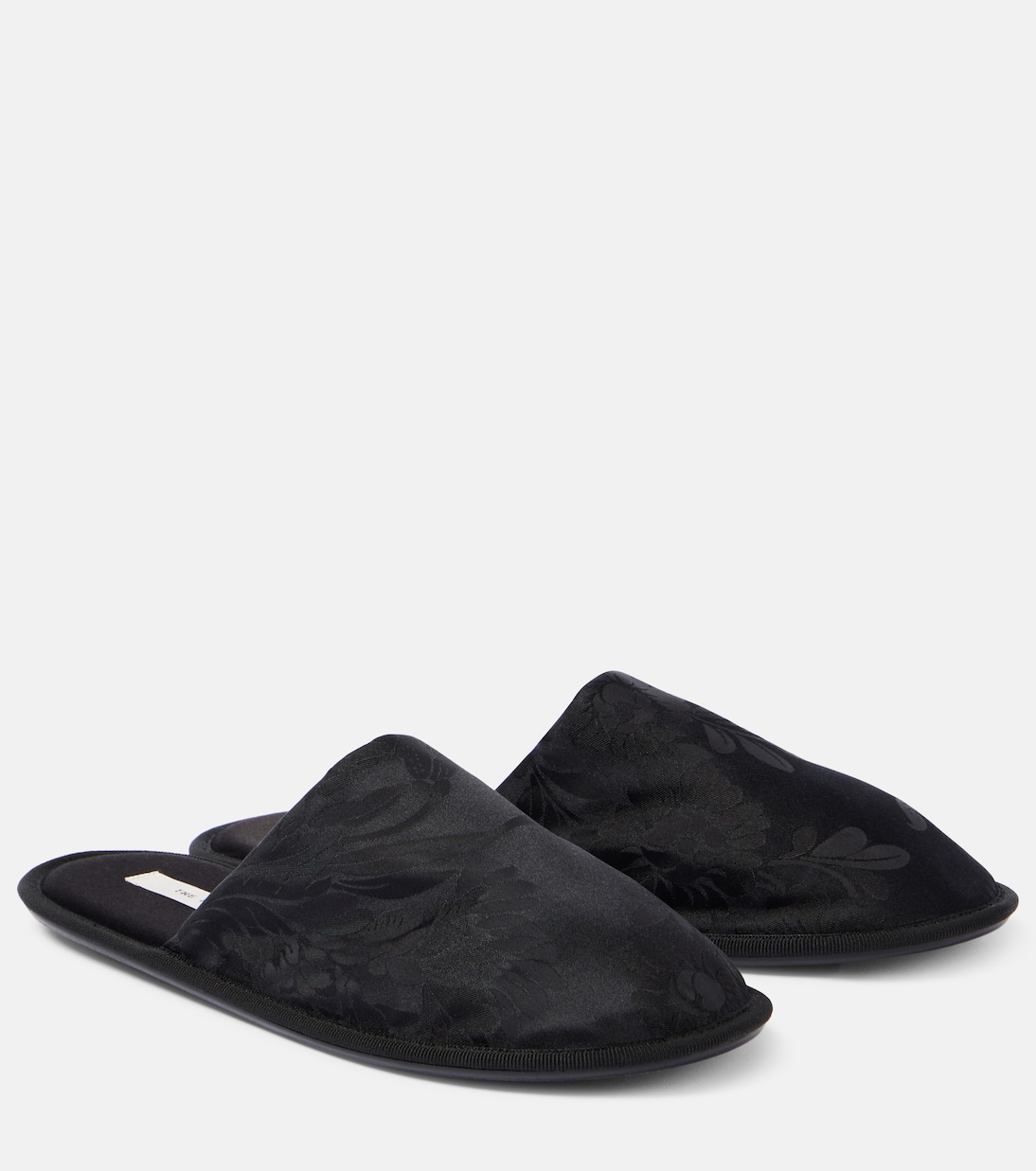
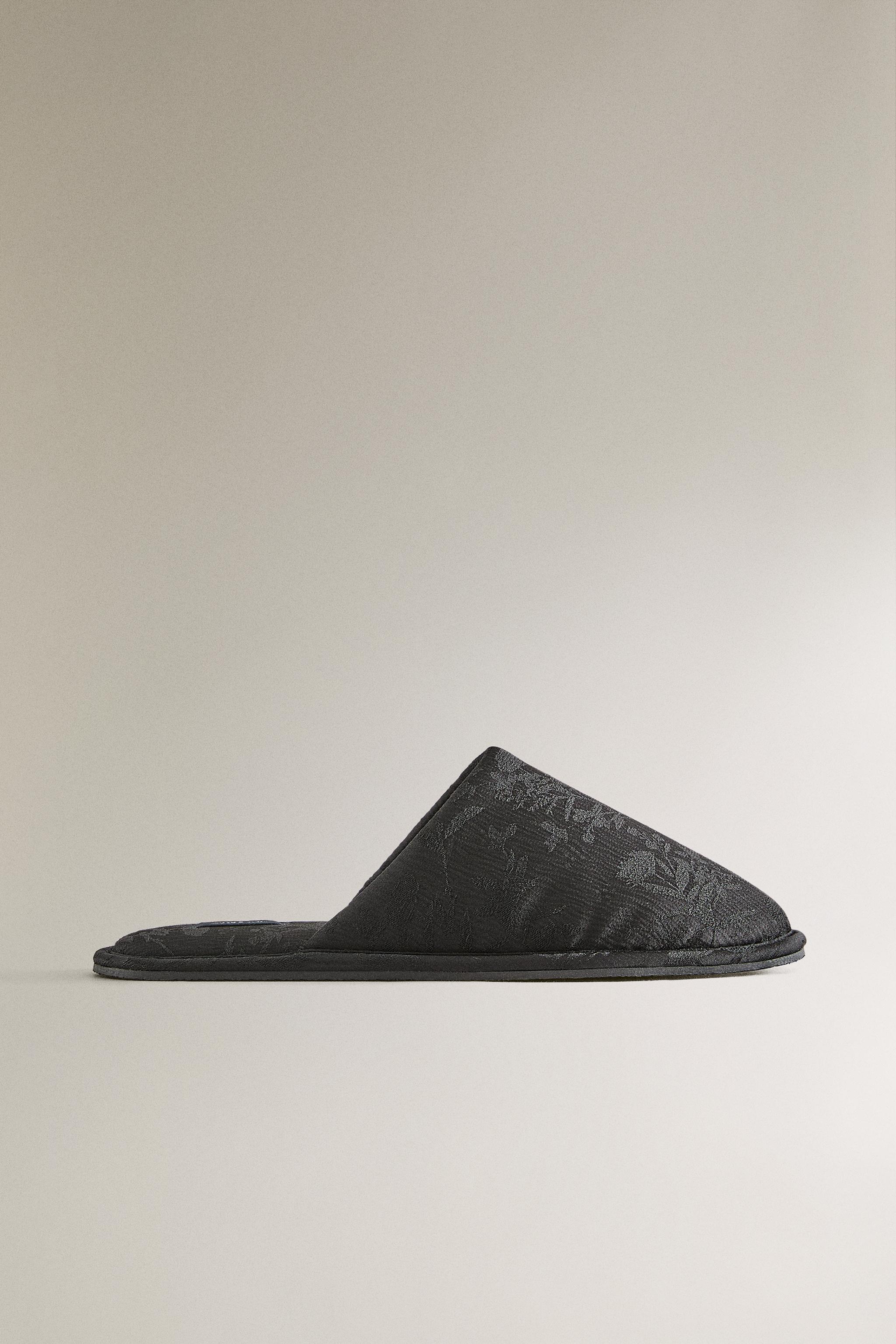
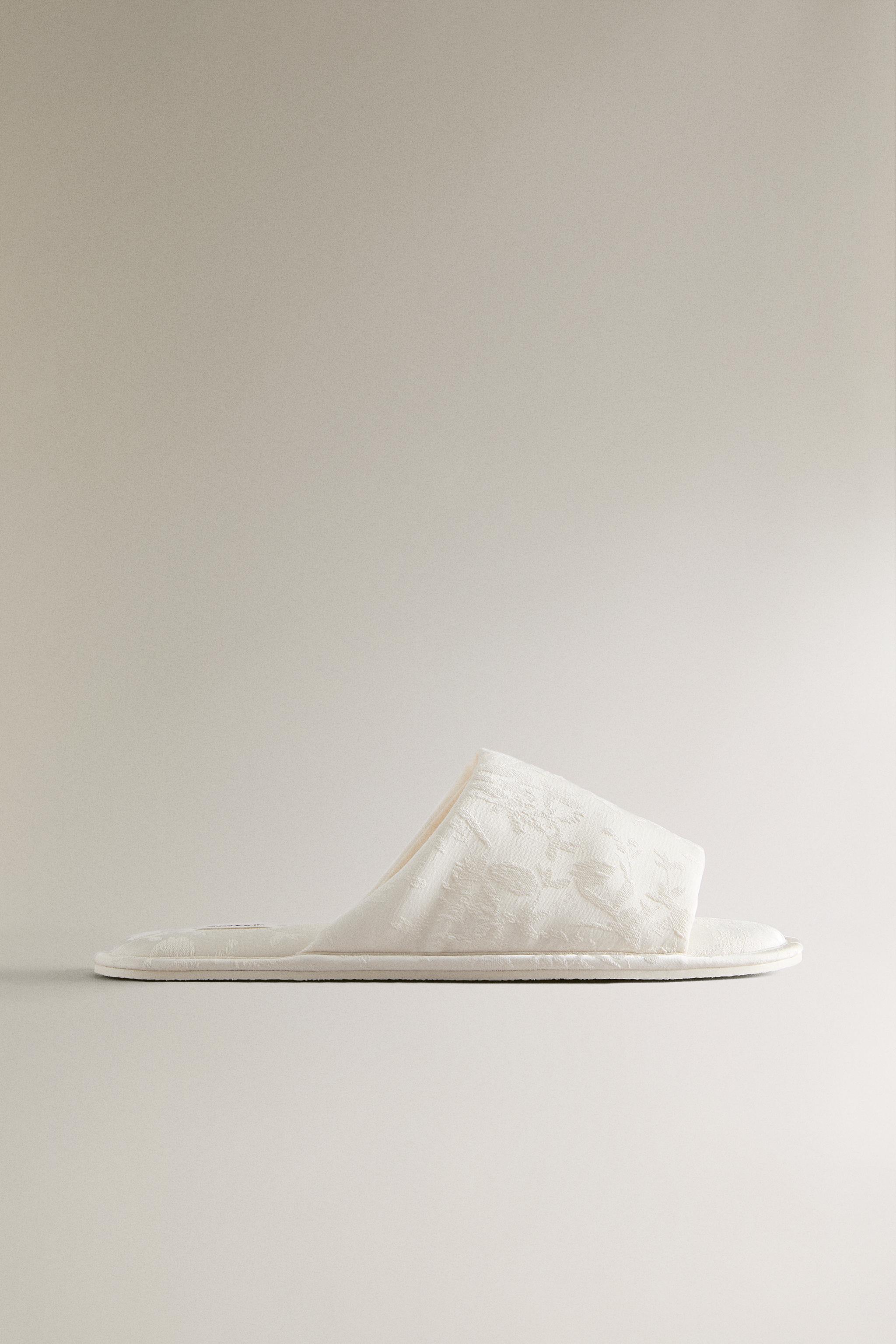
With a chic floral jacquard pattern, sleek satin fabric, and a low-profile silhouette, these flat slides have become the ultimate celebrity-coveted footwear this season. They capture the relaxed vibe of luxury hotel slippers but feature a sturdier insole and outsole designed for outdoor wear. True to The Row's aesthetic, they are minimal, sophisticated, and incredibly versatile. Style icons like Kendall Jenner and Elsa Hosk have been spotted pairing them with a variety of trousers, lightweight knits, tailored blazers, and sporty jackets.
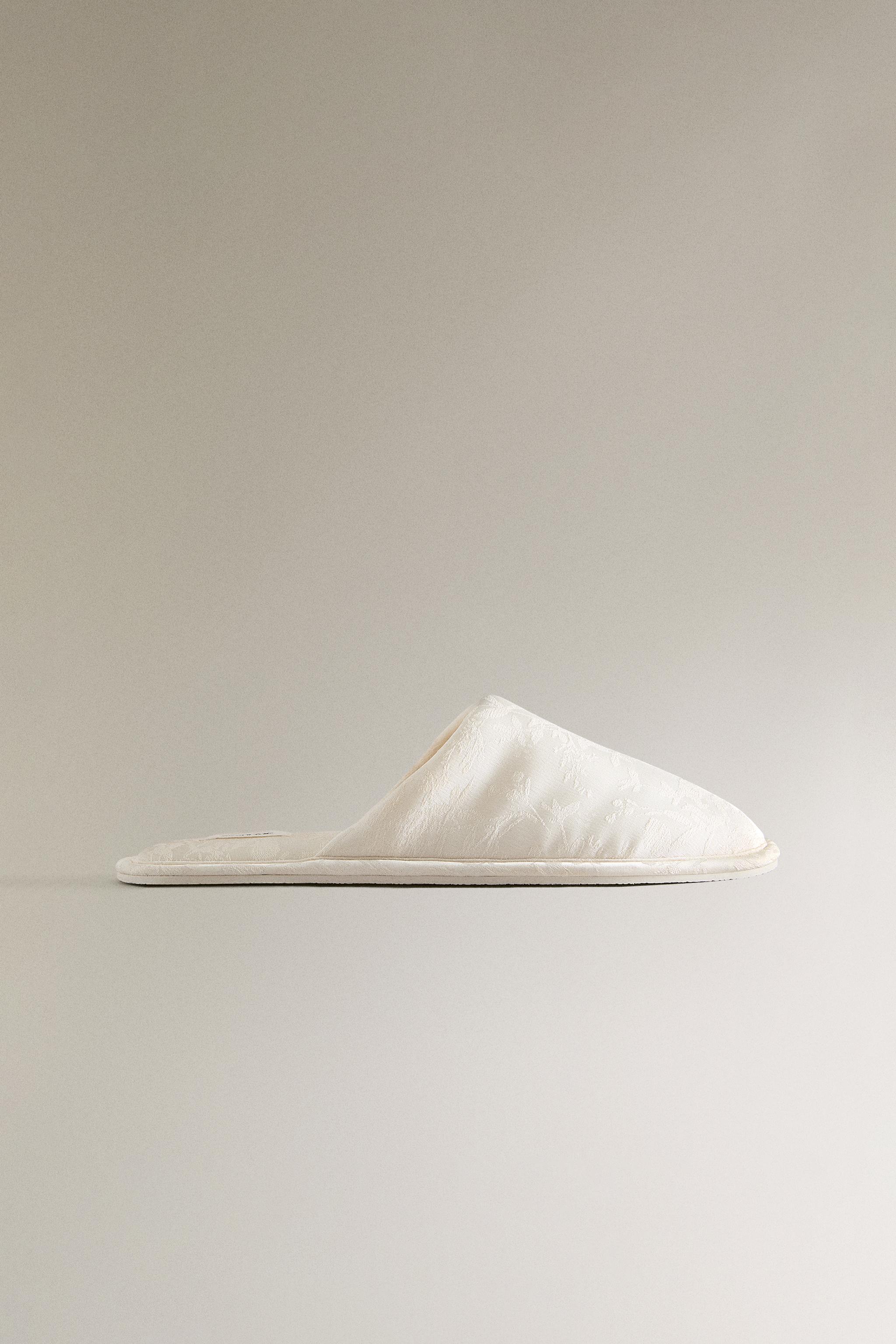
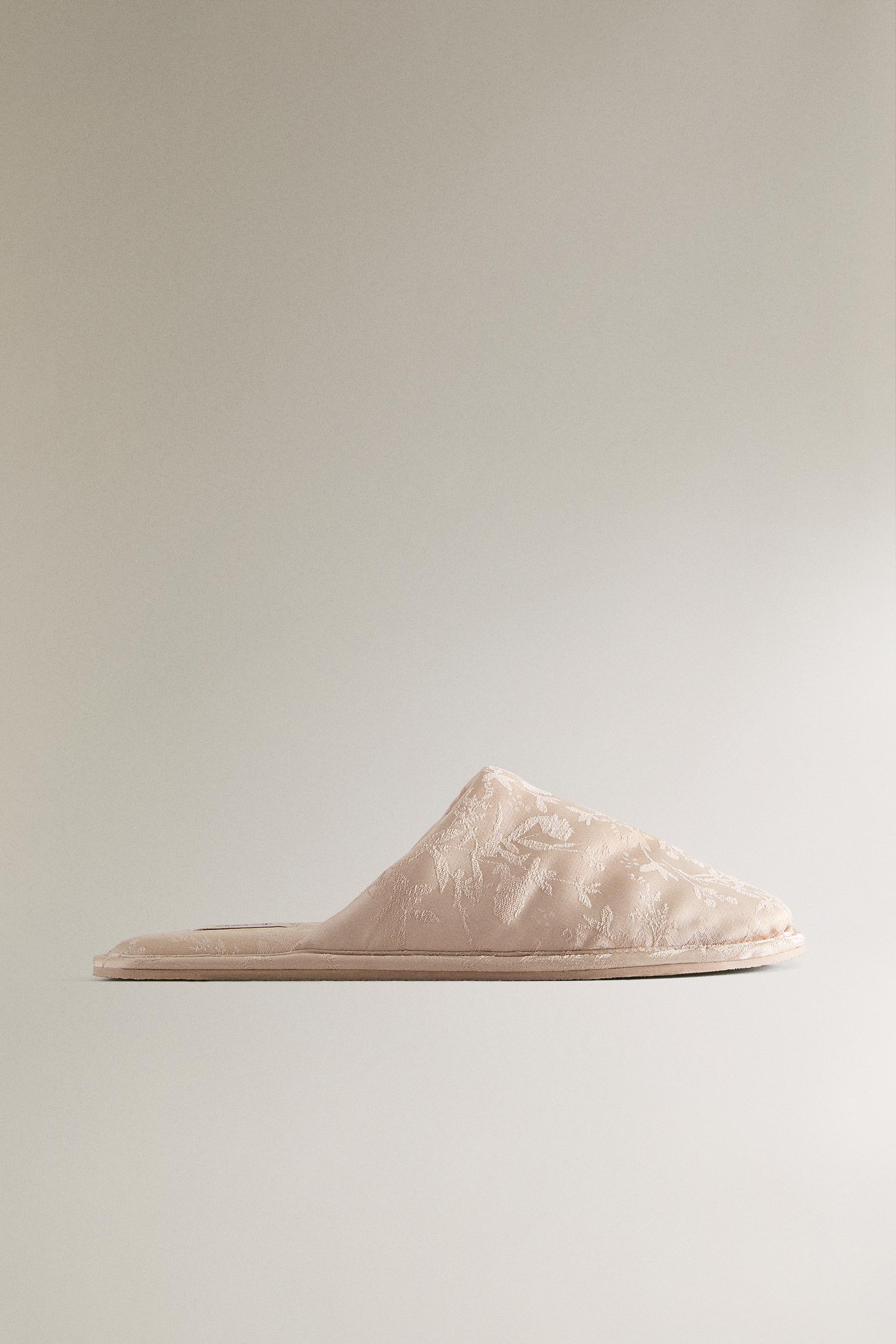
As you might guess, these designer flats carry a premium price tag; even on sale, they will run you roughly $500. Fortunately, Zara Home has just dropped a similar alternative for $40. Much like the original, Zara's slippers are offered in black, beige, and taupe, and they come in both open-toe and closed-toe styles.
Ultimately, the decision is in your hands. Scroll down to compare The Row's Frances flats alongside Zara Home's budget-friendly slides. Whichever you choose, we highly recommend making room for them in your closet—they're the perfect way to get that It-girl look from now through fall.
Shop The Row Frances Slippers
Shop the $40 Zara Alternatives
Read on the original site
Open the publisher's page for the full experience