emptying the camera roll 📸🍔☕️🔒👜👙
Our take
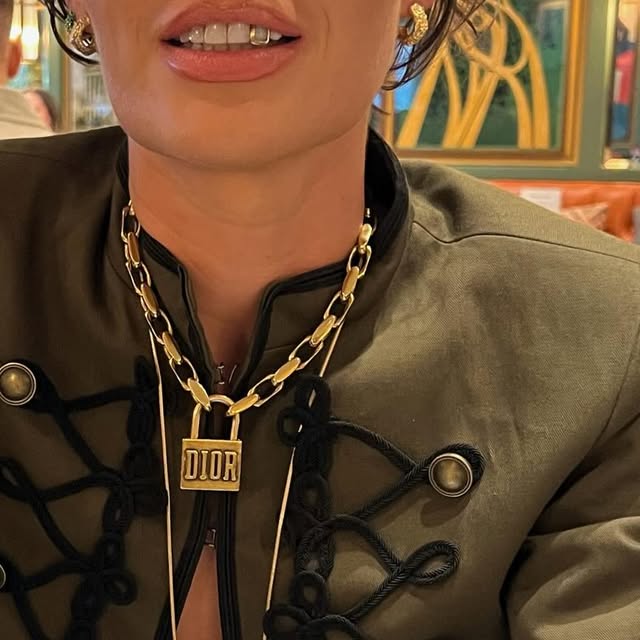
In the realm of fashion and lifestyle curation, the act of "emptying the camera roll" serves as a compelling metaphor for self-expression and the documentation of our personal journeys. The recent article, titled "emptying the camera roll 📸🍔☕️🔒👜👙," invites readers to reflect on the curated moments captured through their lenses, showcasing not just the beauty of their surroundings but also the intimate narratives woven into each image. This practice of sharing visual stories resonates deeply with those who appreciate the artistry of life as much as the art of fashion. It’s a celebration of experiences that transcend the moment, aligning seamlessly with our previous discussions in articles like recently from the camera roll 📸, where we explore how these snapshots contribute to our evolving personal style.
The importance of emptying one’s camera roll goes beyond mere nostalgia; it is a conscious act of curation that reflects our evolving identities. Each photograph captures a fragment of a larger narrative—whether it’s a sun-drenched café in Paris, a meticulously styled outfit, or an impromptu moment with friends. By sharing these moments, individuals engage in a dialogue about their lives and aesthetics, allowing others to connect with them on a deeper level. This editorial perspective aligns with the ethos of modern luxury—where authenticity and intentionality reign supreme. In a world that often feels saturated with fleeting trends, embracing and sharing curated experiences through photography provides a refreshing antidote, inviting others to appreciate the beauty in our daily lives.
Moreover, the interplay between the visual and the narrative highlights a crucial aspect of modern storytelling. As digital platforms continue to evolve, the way we present our lives becomes increasingly sophisticated. The images we choose to share serve not only as personal mementos but also as curated expressions of our values and aspirations. They reflect our tastes, our travels, and the influences that shape our lives. This notion is particularly relevant in an era where social media platforms have transformed personal documentation into a form of art. The article prompts readers to consider what they choose to capture and share, urging them to think critically about their own visual narratives.
As we look to the future of personal storytelling through photography, one must ponder the implications of this practice on our understanding of luxury and experience. Will the act of curating our lives through images continue to evolve, or will it become a standardized form of expression? The question remains: how will the next generation of fashion-forward individuals redefine the narrative of their lives through the lens of their cameras? As we engage with these themes, let us remain vigilant of the subtle shifts in how we perceive and share our experiences, continuously seeking to elevate our personal narratives while remaining relatable and authentic. In this ever-changing landscape, the art of emptying the camera roll stands as a testament to our desire for connection, inspiration, and the timeless elegance that lies within every curated moment.
Read on the original site
Open the publisher's page for the full experience