AMIRI Redraws Its Los Angeles Fantasy
Our take
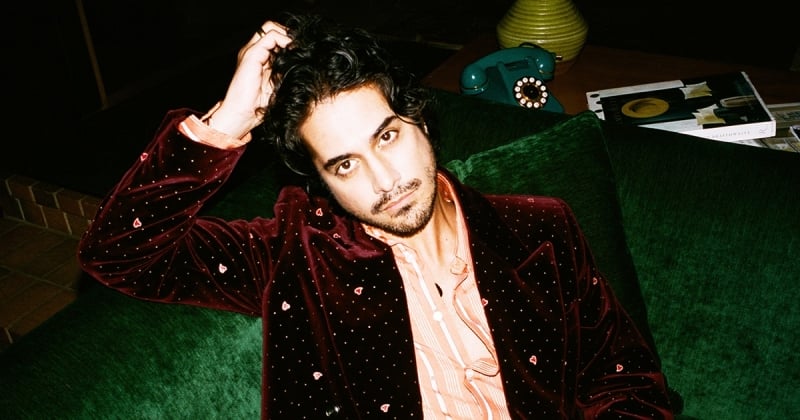
Amiri’s ongoing exploration of Los Angeles as a brand identity has always been compelling, but the recent campaign, centered around a reimagined Laurel Canyon party, suggests a deliberate shift in focus. The label, known for its rock and roll edge and distinctive, often deconstructed tailoring, isn't simply presenting a location; it's constructing a narrative, a mythology that resonates with a specific idea of Californian cool. This latest iteration feels less about the overt glamour of Hollywood and more about a curated intimacy, a sense of belonging within a creative circle. This echoes the recent move by Brioni [Brioni Dresses for the Eternal City This Fall], which similarly leverages a specific locale – Rome – to solidify a brand narrative rooted in heritage and timeless style. It’s a strategic move, recognizing the power of place in shaping a luxury brand’s image, a trend also apparent in Tom Ford’s recent campaign [Tom Ford Makes a Dangerous Proposition for Fall 2026 Campaign], which utilizes evocative imagery to convey a distinct mood and attitude.
The choice of a Laurel Canyon setting is particularly astute. Historically, the area has been synonymous with a bohemian counterculture, attracting musicians, artists, and free thinkers in the 1960s and 70s. Amiri's interpretation doesn’t replicate this era exactly; instead, it filters it through a contemporary lens, layering the brand’s signature aesthetic—velvet, intricate embroidery, and relaxed silhouettes—onto a familiar cultural touchstone. The campaign's visual language, as depicted in the image featuring Avan Jogia, hints at a sophisticated ease, a nonchalant luxury that feels both timeless and relevant to today’s consumer. This is a far cry from the overtly flashy displays often associated with Los Angeles luxury; it’s an invitation into a world that feels carefully considered, almost secret. The focus on individual pieces, like the heart-embroidered suit, reinforces this sense of curated detail and personalized style, mirroring the thoughtful approach taken by Giorgio Armani [Giorgio Armani Takes Stock for Fall 2026], which draws upon its rich history to inform a forward-looking vision.
This repositioning is significant for Amiri and the broader landscape of luxury menswear. The brand has successfully moved beyond simply being a purveyor of edgy streetwear; it's establishing itself as a purveyor of a lifestyle, an aspiration. The shift towards a more intimate and culturally resonant narrative allows Amiri to connect with consumers on a deeper level, appealing to those who seek not just clothing, but a sense of belonging and self-expression. The emphasis on quality materials and craftsmanship—the velvet, the embroidery—signals a commitment to elevated design, distinguishing Amiri from the fast-fashion trends that often dominate the market. It’s a subtle yet powerful message: luxury isn't about ostentation; it’s about discerning taste and a quiet confidence.
Ultimately, Amiri’s “reimagining” of Los Angeles underscores a crucial trend in contemporary luxury: the move away from overt displays of wealth towards a more nuanced and personal expression of style. The brand is not merely selling clothes; it's selling an experience, an aesthetic, a feeling. As the fashion landscape continues to evolve, it will be interesting to see how Amiri further refines this narrative and whether other brands will follow suit, embracing specific cultural touchstones to build more meaningful connections with their audiences. Will we see a rise in brands deeply rooted in specific geographic locations and cultural moments, or will the pursuit of universal appeal ultimately prevail?
Read on the original site
Open the publisher's page for the full experience